EN
EN  English
 Español
 русский
 Deutsch
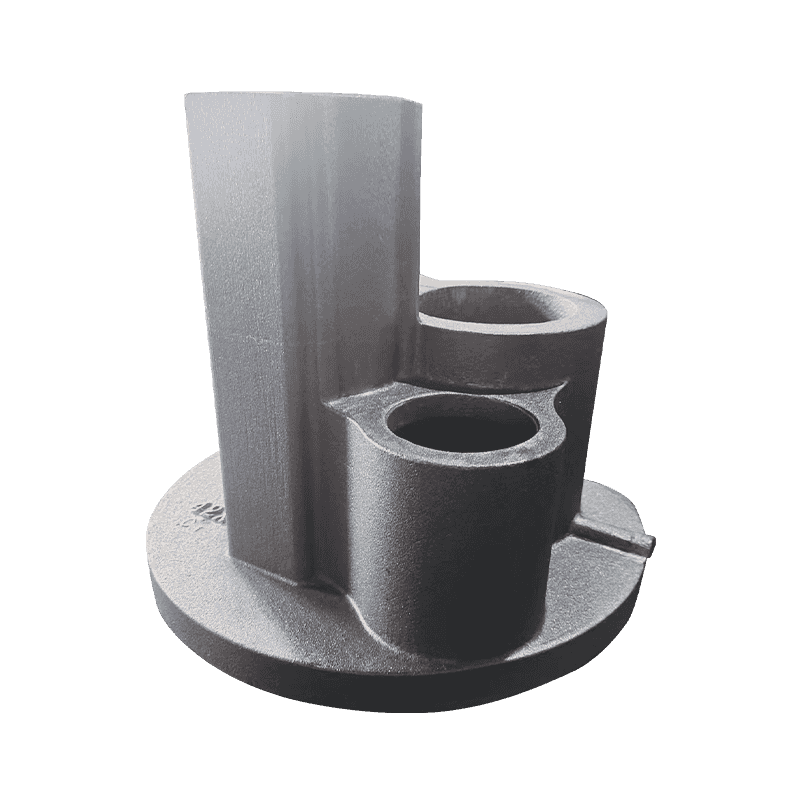
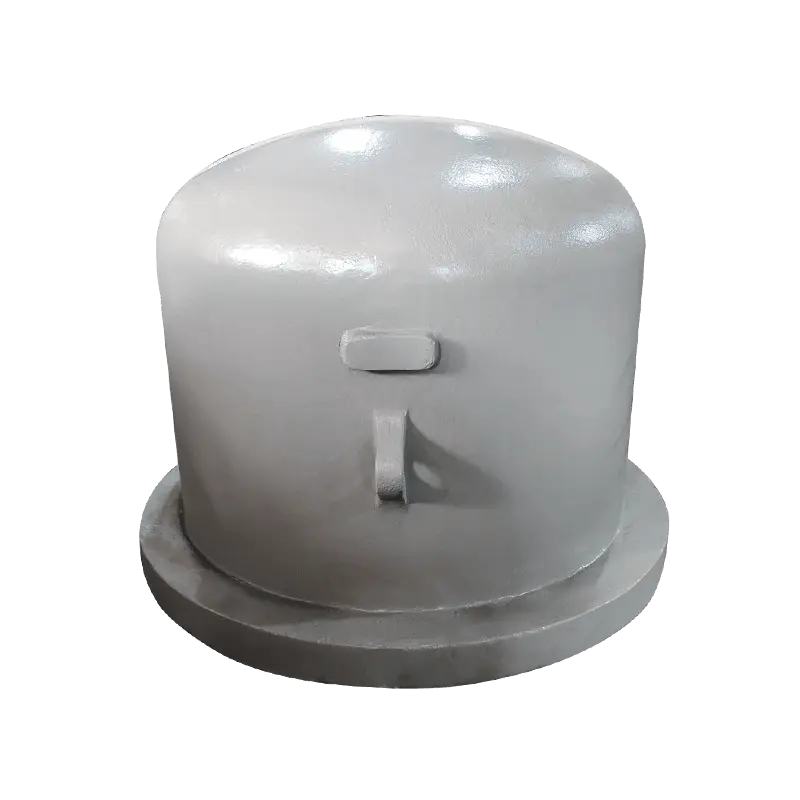
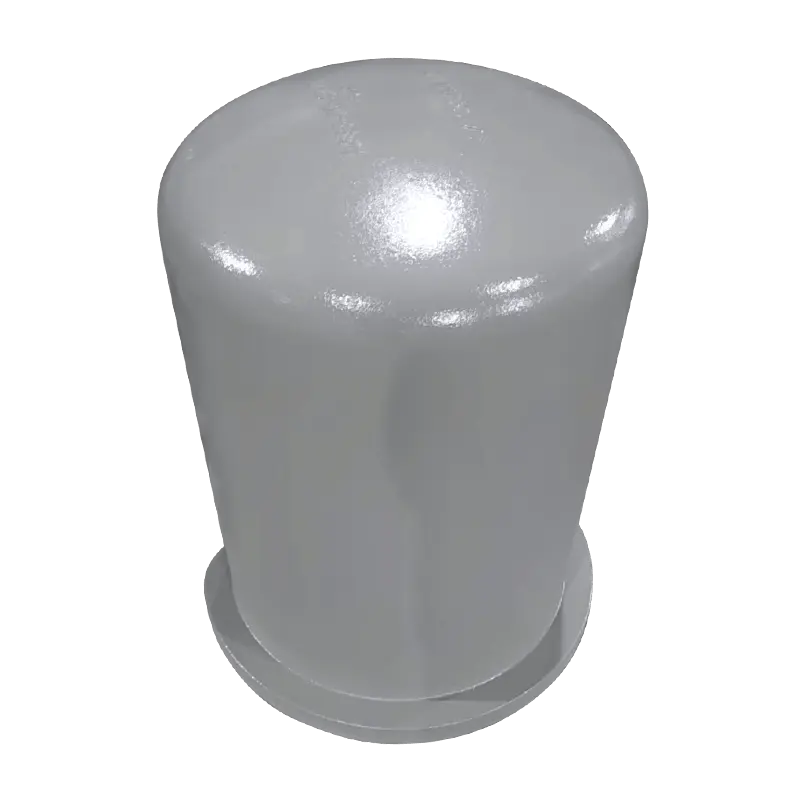
When comparing Grey Iron Parts with compacted graphite iron (CGI) parts, the answer depends on the performance priority. Grey Iron Parts generally provide superior thermal conductivity, while compacted graphite iron parts offer significantly higher strength and fatigue resistance. In practical terms, Grey Iron Parts are often preferred for applications where heat dissipation, vibration damping, and cost efficiency are critical. Compacted graphite iron parts are commonly selected when higher mechanical loads, elevated pressures, and improved structural integrity are required.
For example, typical gray iron castings can achieve thermal conductivity values ranging from approximately 45 to 60 W/m·K, whereas compacted graphite iron usually falls between 30 and 45 W/m·K. However, CGI can deliver tensile strengths exceeding 450 MPa, compared with the 200–350 MPa range commonly found in many gray iron castings. Understanding this tradeoff is essential when selecting the optimal material for industrial components.
Understanding the Microstructure Difference
The performance gap between Grey Iron Parts and compacted graphite iron parts originates primarily from their graphite morphology. In gray iron castings, graphite appears as interconnected flakes distributed throughout the iron matrix. These flakes create pathways that enhance heat transfer and vibration absorption.
Compacted graphite iron contains graphite particles with a worm-like shape. These graphite structures are shorter and thicker than flakes, resulting in stronger bonding within the metallic matrix. The result is increased mechanical strength while maintaining some of the casting and thermal advantages associated with traditional cast irons.
- Gray iron castings: flake graphite structure.
- Compacted graphite iron: vermicular or worm-like graphite structure.
- Higher graphite continuity improves heat flow.
- Reduced graphite discontinuities increase strength.
Thermal Conductivity Comparison
Thermal conductivity is one of the most important selection criteria in applications such as engine blocks, brake components, machine bases, and heat-management systems. In this area, Grey Iron Parts maintain a clear advantage.
| Property | Grey Iron Parts | Compacted Graphite Iron Parts |
|---|---|---|
| Thermal Conductivity | 45–60 W/m·K | 30–45 W/m·K |
| Tensile Strength | 200–350 MPa | 350–500 MPa+ |
| Fatigue Resistance | Moderate | High |
Grey Iron Parts can provide up to 30–50% higher thermal conductivity than compacted graphite iron parts in many applications. This advantage allows heat to spread more quickly throughout a component, reducing localized hot spots and improving thermal stability.
Industries that prioritize efficient heat dissipation frequently continue to rely on gray iron castings despite the availability of stronger alternatives.
Strength and Mechanical Performance
Tensile Strength
Strength is where compacted graphite iron demonstrates its greatest advantage. The vermicular graphite structure creates fewer stress concentration points than the flake graphite found in gray iron castings. Consequently, CGI exhibits considerably higher tensile strength.
Fatigue Resistance
Components exposed to repeated loading cycles benefit from the superior fatigue resistance of compacted graphite iron. Applications involving pressure fluctuations, dynamic loads, or continuous operation often achieve longer service life with CGI components.
Stiffness
Both materials offer excellent stiffness compared with many alternative casting materials. However, compacted graphite iron generally delivers a better balance between stiffness and strength, allowing engineers to reduce wall thickness while maintaining structural performance.
Vibration Damping Characteristics
One area where Grey Iron Parts continue to excel is vibration damping. The graphite flakes within gray iron castings interrupt vibration waves and convert mechanical energy into heat. This property helps reduce noise and machine vibration.
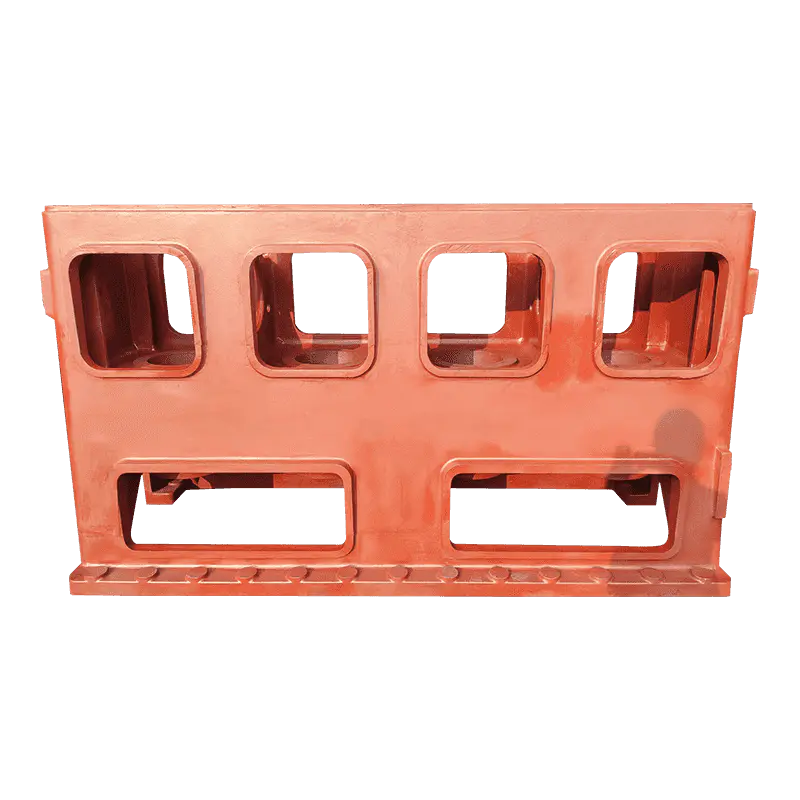
Machine tool bases, pump housings, compressor bodies, and industrial equipment frames frequently utilize Grey Iron Parts because of their ability to maintain stability during operation. Although compacted graphite iron offers respectable damping performance, it generally cannot match the vibration absorption capabilities of gray iron castings.
Machinability Comparison
Machinability directly influences production costs and manufacturing efficiency. Gray iron castings are widely recognized for excellent machinability due to the lubricating effect of graphite flakes and their relatively lower strength.
Compacted graphite iron presents greater machining challenges. Tool wear tends to increase because of the material's higher strength and more complex graphite structure. Manufacturers often require specialized cutting tools and optimized machining parameters when producing CGI components.
Grey Iron Parts typically offer lower machining costs and faster production cycles compared with compacted graphite iron parts.
Common Industrial Applications
Material selection often depends on application requirements rather than a single performance metric.
Applications Favoring Grey Iron Parts
- Machine tool bases.
- Pump housings.
- Compressor casings.
- Brake components.
- General industrial machinery.
Applications Favoring Compacted Graphite Iron Parts
- High-pressure engine blocks.
- Heavy-duty structural castings.
- Turbocharged system components.
- Parts exposed to cyclic loading.
- High-strength industrial housings.
Cost Considerations
Cost remains a decisive factor in material selection. Gray iron castings generally require less complex process control during production. In addition, easier machining and widespread manufacturing expertise contribute to lower overall costs.
Compacted graphite iron often involves tighter metallurgical control, specialized quality monitoring, and increased machining effort. These factors can increase both manufacturing and processing expenses.
For projects where thermal conductivity and economic efficiency are more important than maximum strength, Grey Iron Parts frequently provide the most cost-effective solution.
The comparison between Grey Iron Parts and compacted graphite iron parts ultimately comes down to balancing thermal performance and mechanical strength. Grey Iron Parts remain the superior choice for thermal conductivity, vibration damping, machinability, and cost efficiency. Their proven performance explains why gray iron castings continue to be widely used in machinery, equipment housings, and heat-sensitive applications.
On the other hand, compacted graphite iron parts offer substantially higher tensile strength, fatigue resistance, and structural reliability. They are often selected for demanding applications where mechanical loads exceed the capabilities of conventional gray iron castings.
For engineers and procurement teams evaluating material options, the most practical approach is to prioritize the application's primary requirement. If rapid heat transfer and vibration control are essential, Grey Iron Parts are usually the better option. If high strength and long-term durability under heavy loads are the primary goals, compacted graphite iron parts often provide greater value despite their higher manufacturing costs.