EN
EN  English
 Español
 русский
 Deutsch
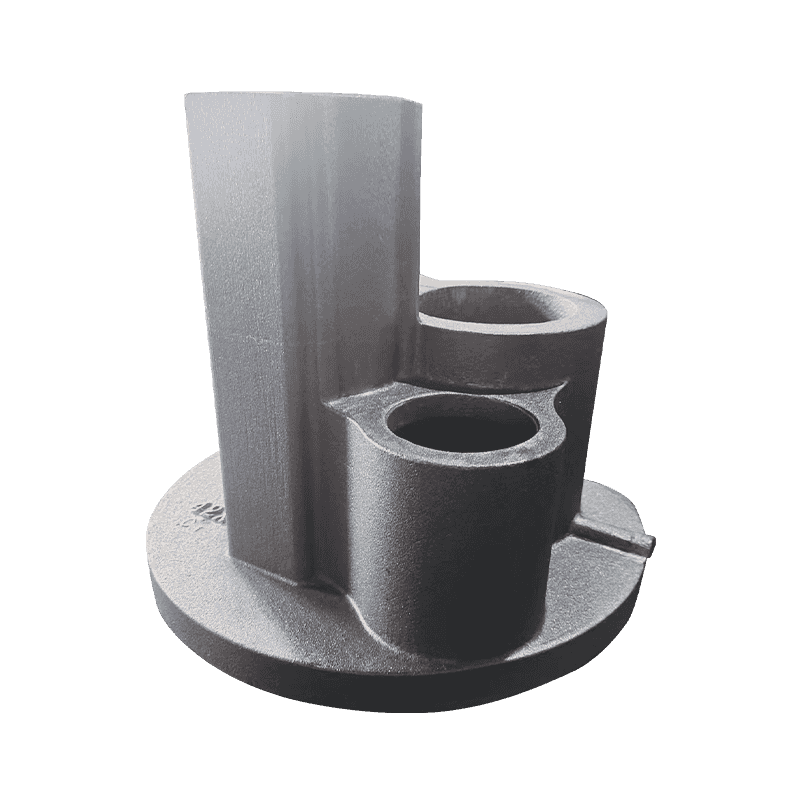
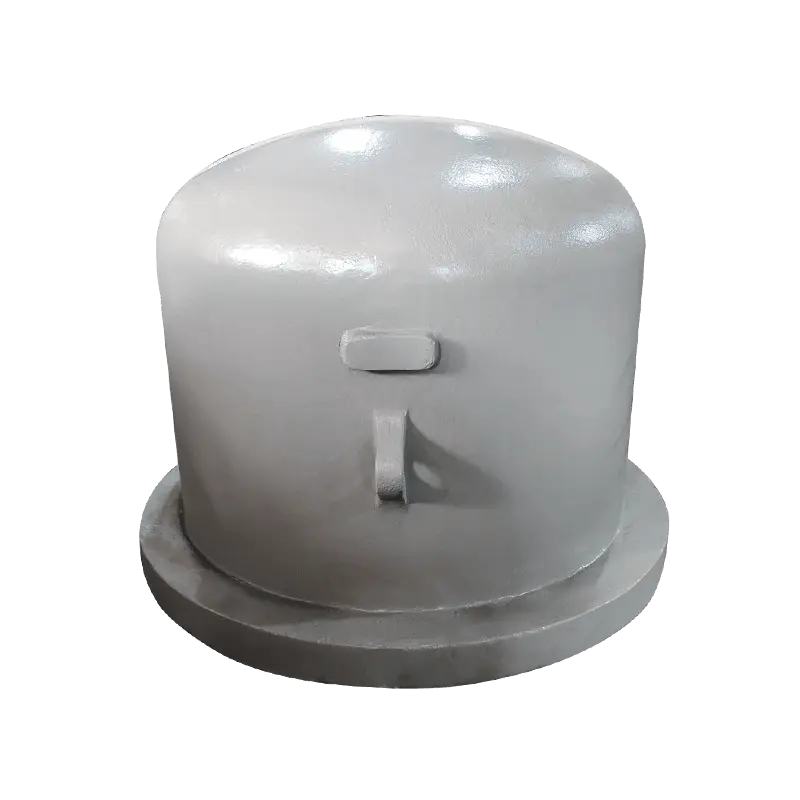
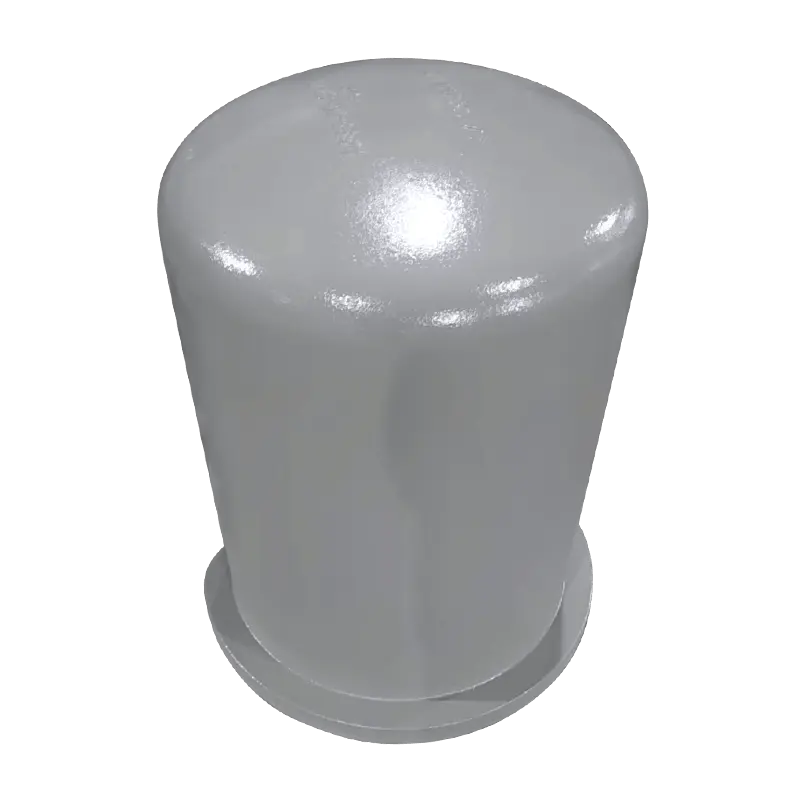
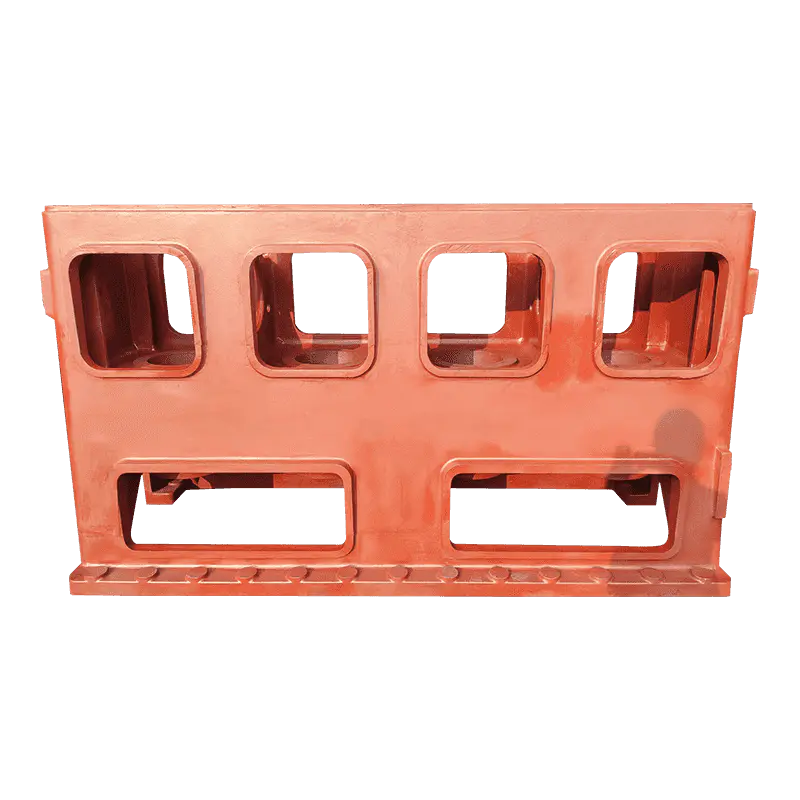
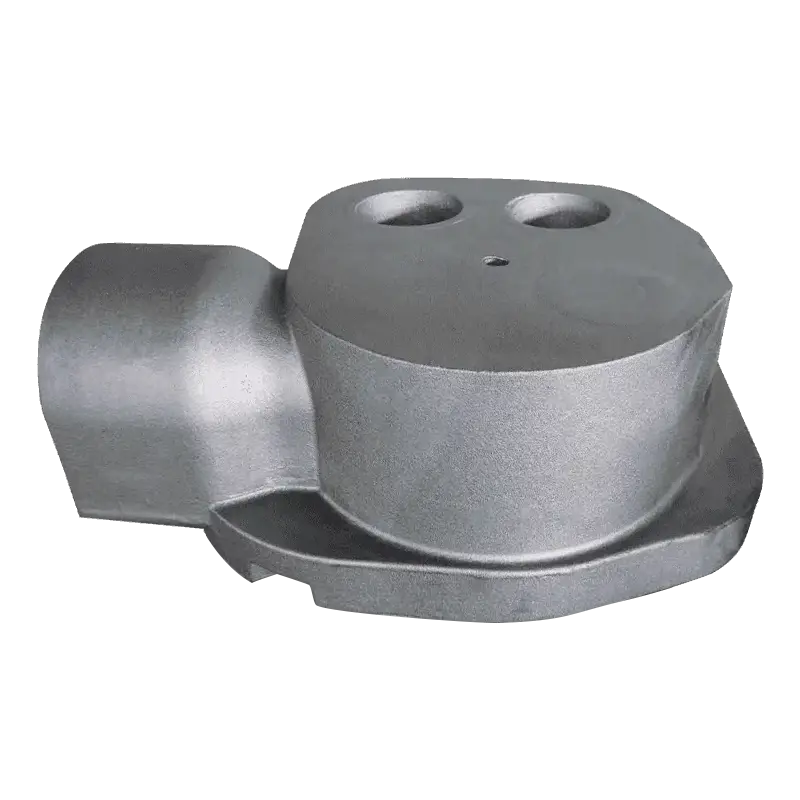
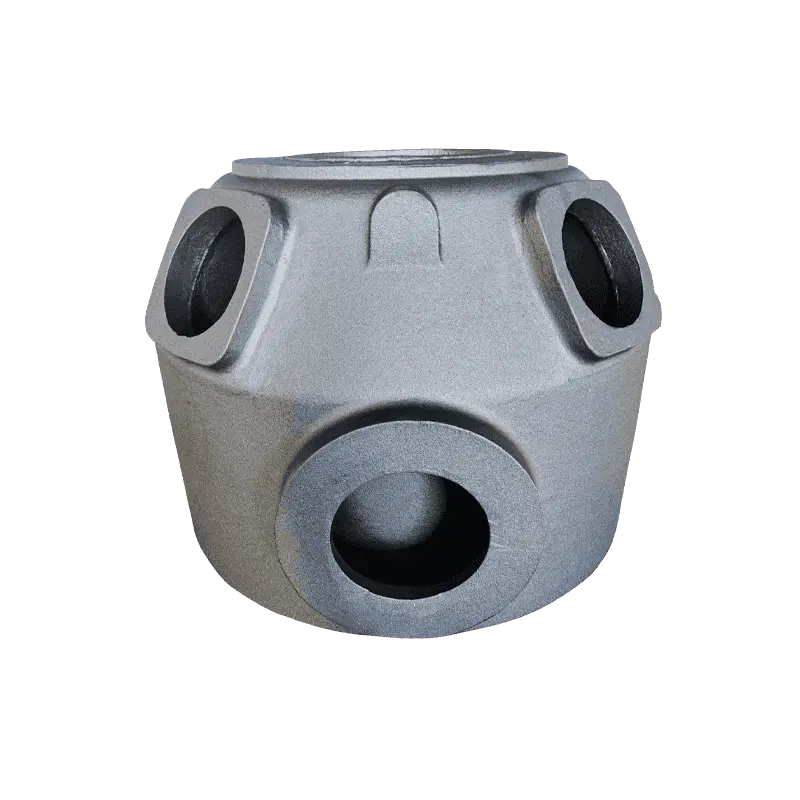
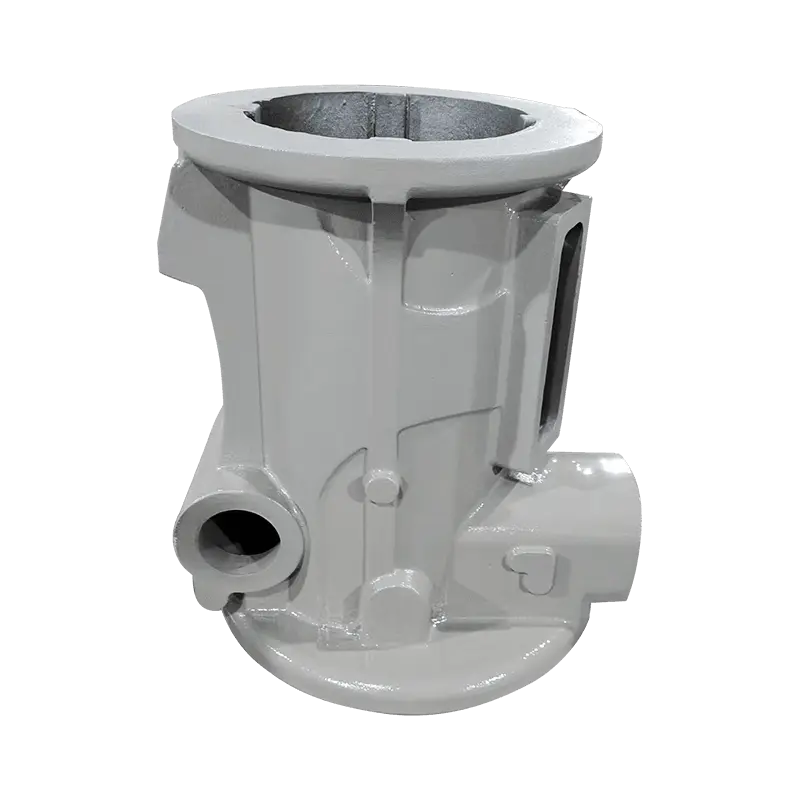
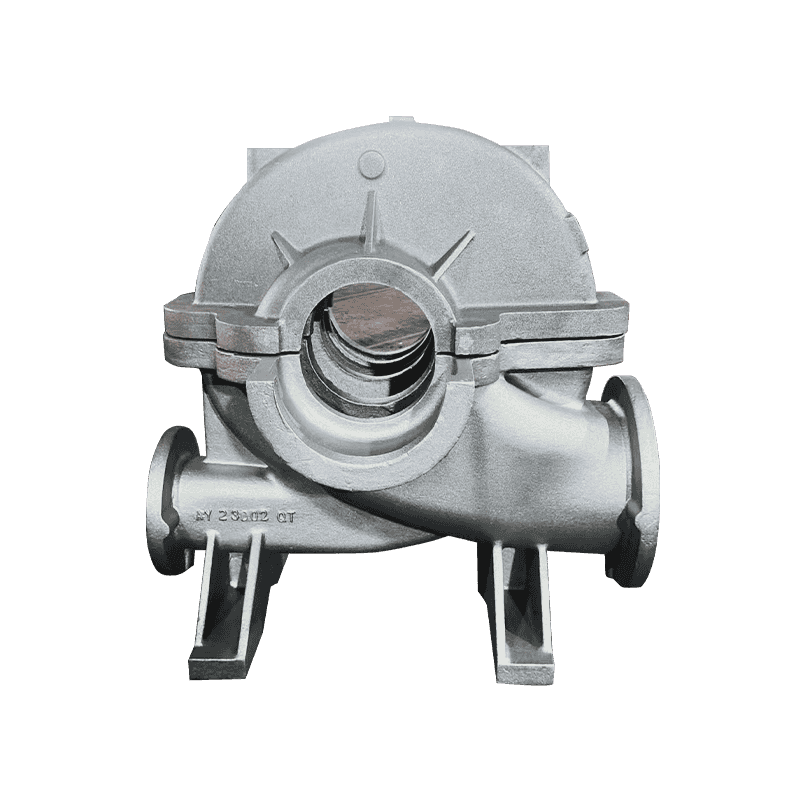
When comparing compressor castings parts made from ductile iron and aluminum alloy, the clear conclusion is that ductile iron offers superior durability and long-term mechanical strength, while aluminum alloy provides significant advantages in weight reduction and thermal efficiency. From a cost perspective, aluminum is generally cheaper per unit weight, but ductile iron often delivers a lower total lifecycle cost in heavy-duty industrial applications.
The best choice depends on operating pressure, environment, and service life expectations. For high-load compressors and heavy industrial systems, ductile iron remains the dominant material. For lightweight or energy-efficient systems where compressor accessories optimization is critical, aluminum alloy is often preferred.
Material Properties of Ductile Iron vs Aluminum Alloy
The fundamental differences between these two materials directly influence the performance of compressor castings parts. Ductile iron is known for its graphite nodules, which improve toughness and resistance to crack propagation. Aluminum alloy, on the other hand, is characterized by low density and high thermal conductivity.
Mechanical Strength Comparison
- Ductile iron tensile strength: 400–900 MPa
- Aluminum alloy tensile strength: 150–400 MPa
- Ductile iron shows significantly higher fatigue resistance under cyclic compressor loads.
This makes ductile iron compressor castings parts more suitable for high-pressure industrial systems, while aluminum is better suited for low to medium pressure applications where weight savings are more important.
Durability and Service Life in Real Applications
Durability is one of the most critical factors when selecting compressor castings parts. In continuous industrial operation, ductile iron components typically last 20–30% longer than aluminum alloy components under identical load conditions.
Wear and Fatigue Resistance
- Ductile iron resists surface wear due to its higher hardness (180–300 HB).
- Aluminum alloys tend to deform under long-term stress, especially in high-temperature environments.
- Crack propagation in aluminum occurs faster under cyclic loading conditions.
In heavy-duty compressors used in mining, oil & gas, or manufacturing, ductile iron remains the preferred choice for critical compressor accessories due to its reliability under harsh conditions.
Cost Comparison and Lifecycle Value
The cost difference between ductile iron and aluminum alloy compressor castings parts is not only about raw material pricing but also manufacturing complexity, machining, and maintenance frequency.
| Factor | Ductile Iron | Aluminum Alloy |
|---|---|---|
| Material Cost | Moderate | Low per kg, but higher processing sensitivity |
| Machining Cost | Medium | Low to medium |
| Maintenance Frequency | Low | Higher in high-load conditions |
| Lifecycle Cost | Lower in long-term use | Lower initial cost but higher replacement risk |
Although aluminum may appear cheaper initially, ductile iron compressor castings parts often deliver better value in long-term industrial operations due to reduced downtime and fewer replacements.
Manufacturing Impact and Compressor Accessories Integration
Manufacturing methods also affect performance differences. Ductile iron requires controlled cooling and precise casting conditions, while aluminum alloy allows faster production cycles and easier machining. These differences directly influence the quality of compressor castings parts used in industrial systems.
Interaction with Compressor Accessories
- Ductile iron pairs well with heavy-duty compressor accessories requiring stable mounting structures.
- Aluminum alloy improves overall system efficiency when used with lightweight compressor accessories.
- Thermal expansion differences must be considered when integrating mixed-material systems.
System designers often choose materials based on the balance between structural integrity and accessory compatibility.
Selecting between ductile iron and aluminum alloy compressor castings parts depends on the application environment. Heavy-duty industries prioritize strength, while precision or mobile systems prioritize weight reduction.
Recommended Use Cases
- Ductile iron: industrial compressors, mining equipment, continuous production systems.
- Aluminum alloy: portable compressors, HVAC systems, automotive compressors.
In most stationary industrial systems, ductile iron remains the default choice due to its unmatched durability. However, aluminum continues to grow in popularity where energy efficiency and lightweight design are critical factors.