EN
EN  English
 Español
 русский
 Deutsch
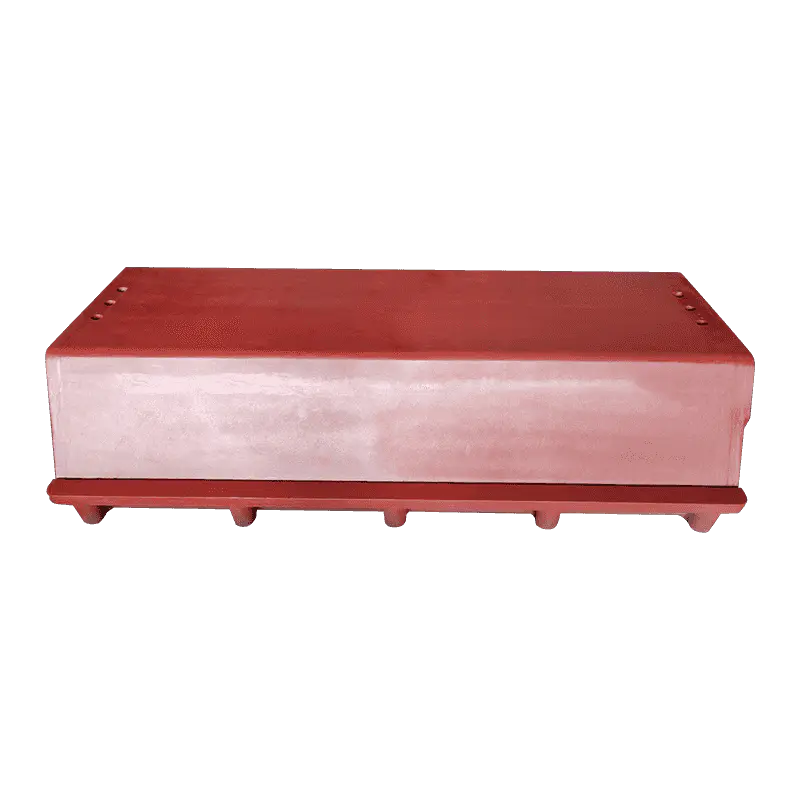
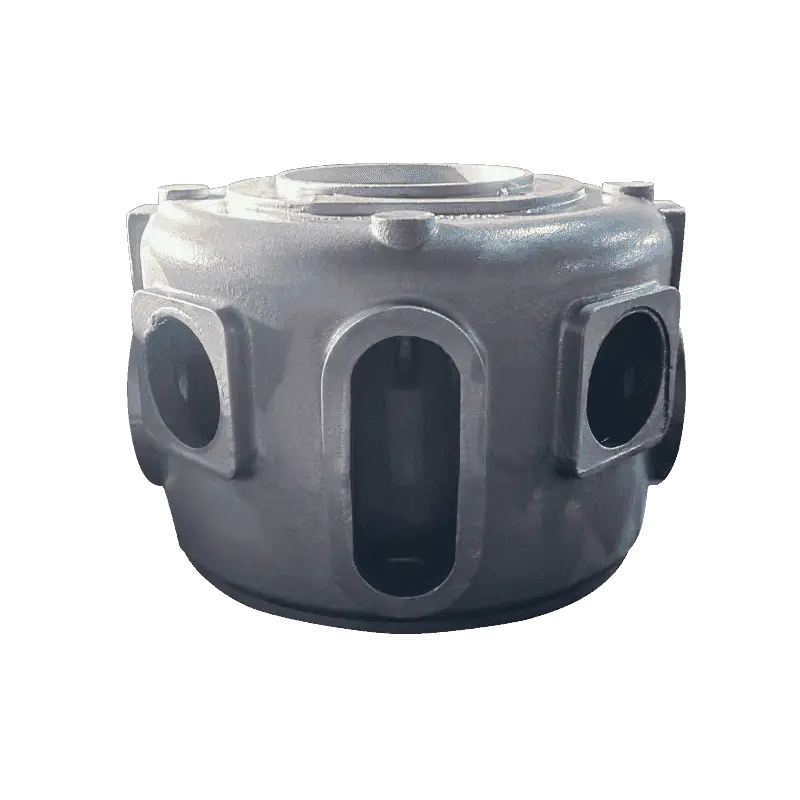
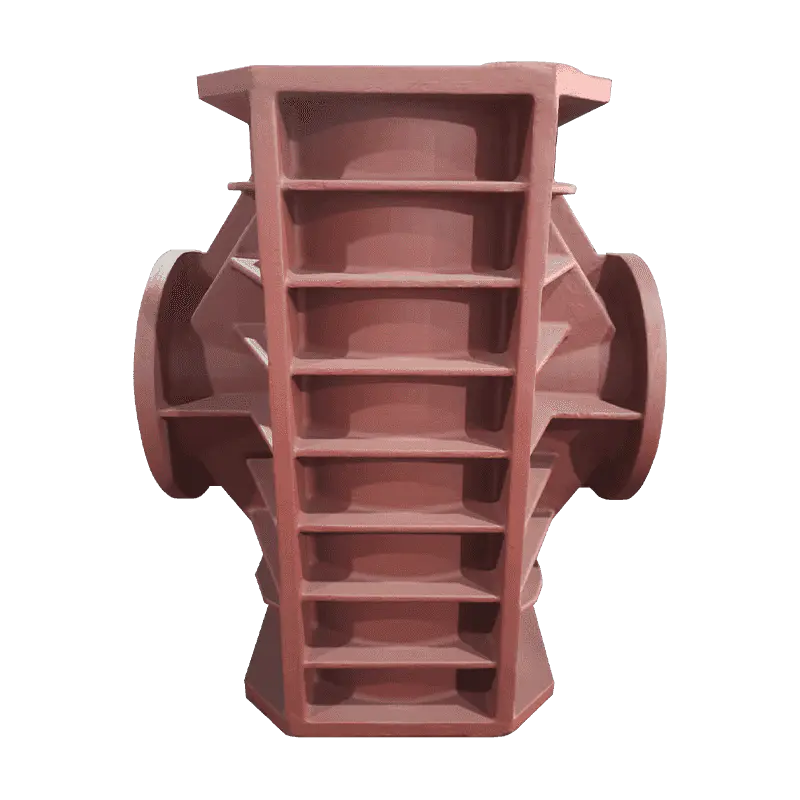
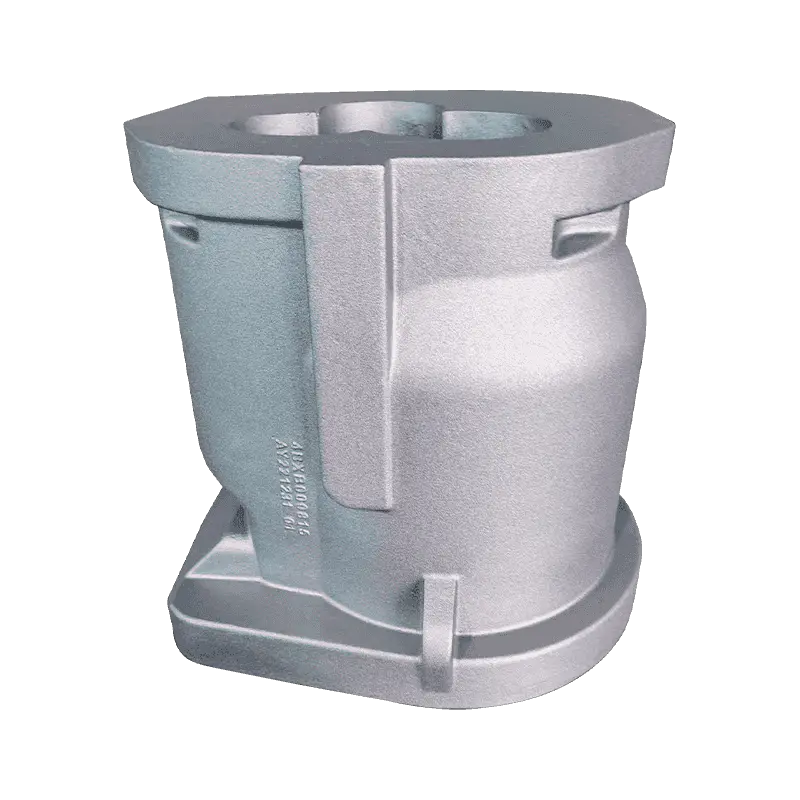
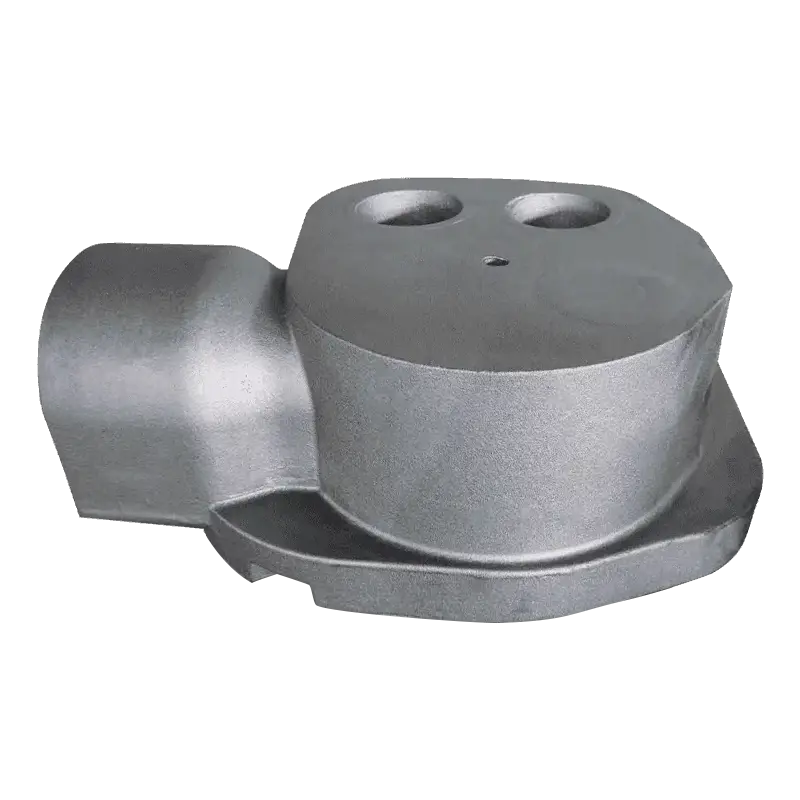
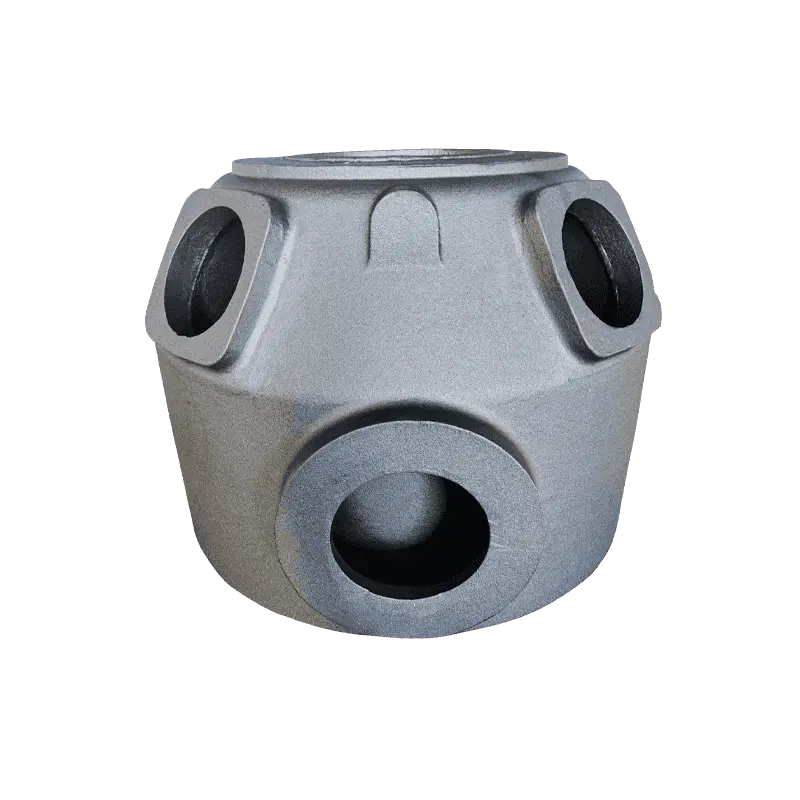
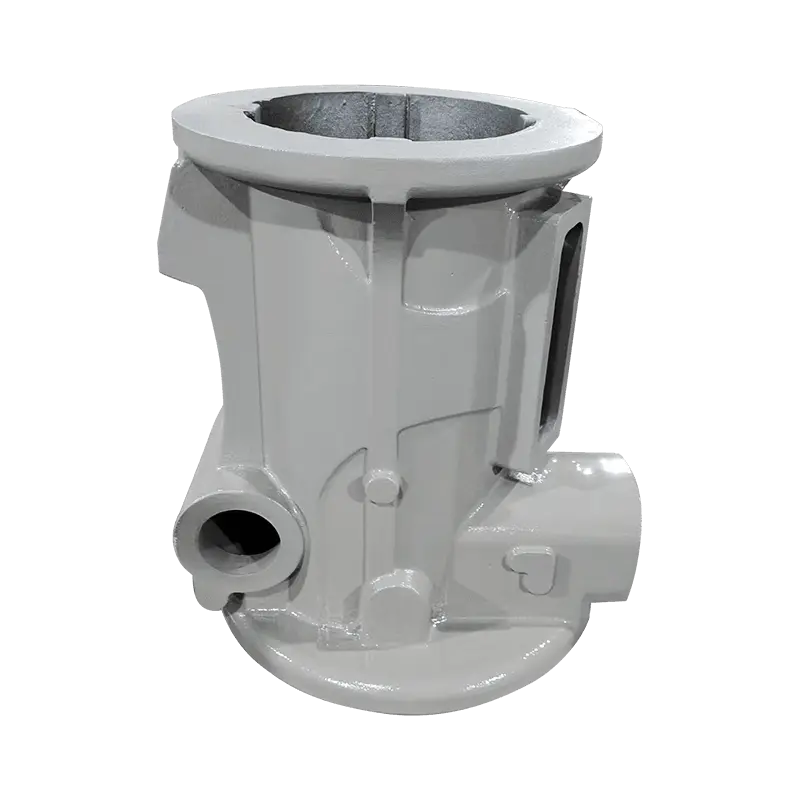
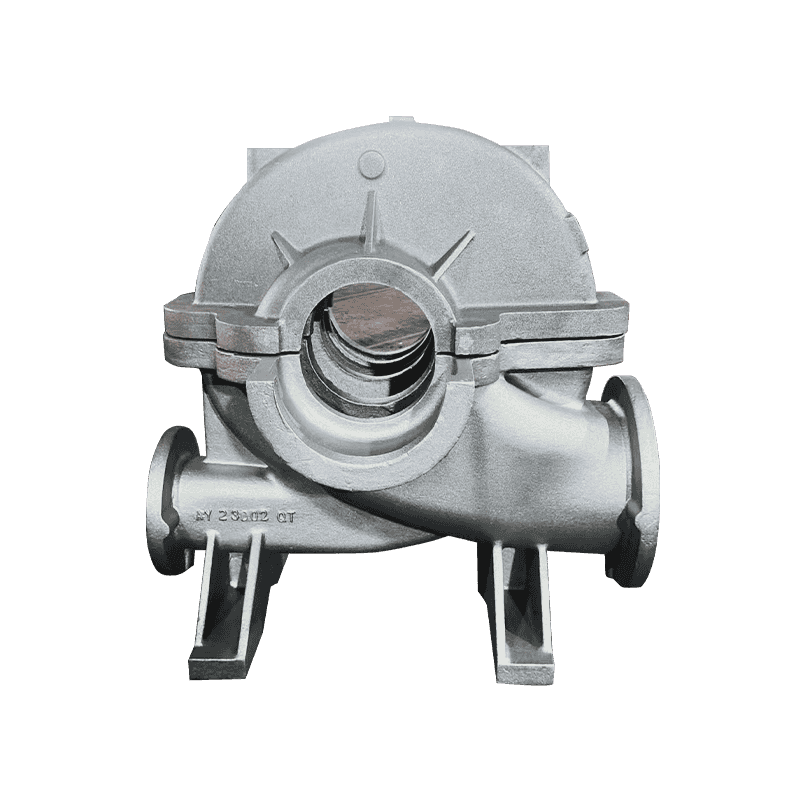
For most industrial hydraulic systems, a Piston pump valve body offers better overall efficiency, easier maintenance, lower manufacturing complexity, and more flexible installation than a Radial piston pump valve body. Although radial piston designs can achieve extremely high pressure levels, many factories, construction machines, agricultural systems, and automation lines operate within pressure ranges where a piston pump valve body delivers superior value.
Industrial users often prioritize reliability, serviceability, energy efficiency, and lifecycle cost. In these areas, piston pump valve bodies frequently outperform radial piston alternatives, making them the preferred option for a wide range of hydraulic applications.
Understanding the Design Differences
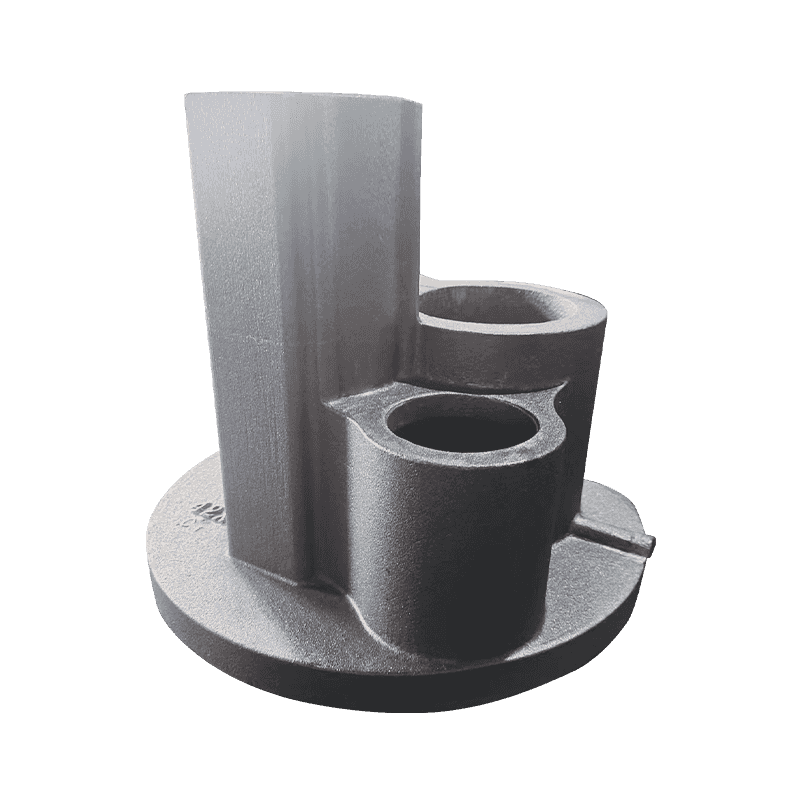
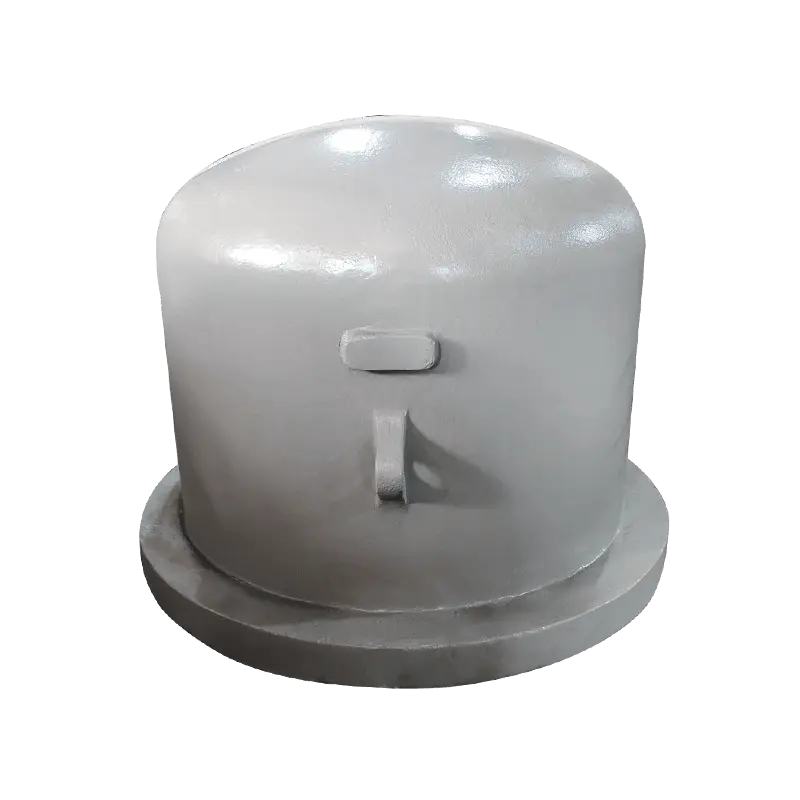
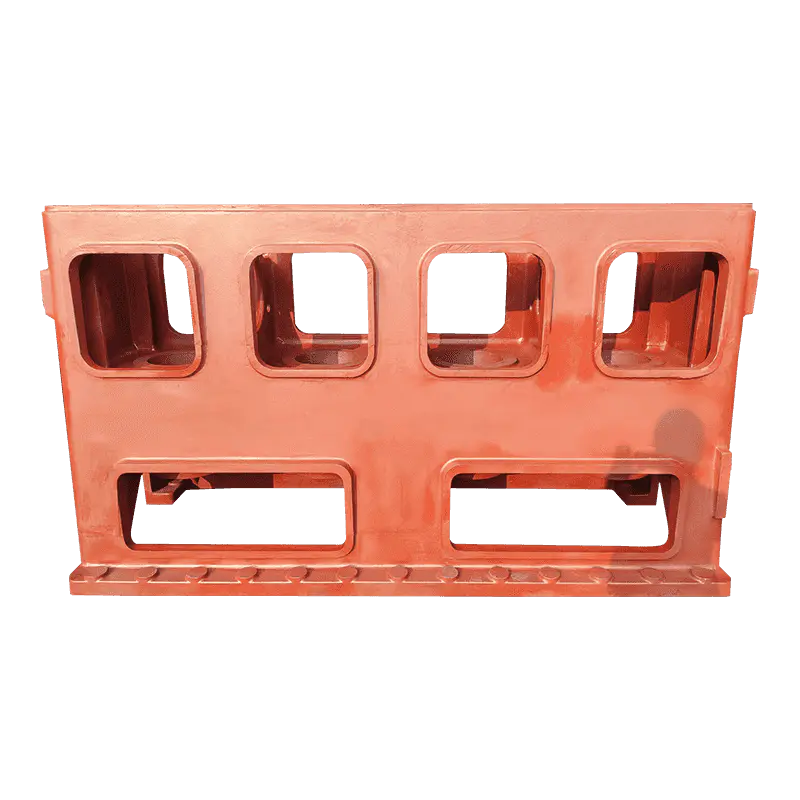
A Piston pump valve body is responsible for controlling hydraulic fluid flow, pressure distribution, and directional movement within a piston pump system. Its internal passages are typically designed to optimize fluid transfer while minimizing pressure losses.
A Radial piston pump valve body supports a pump design where multiple pistons are arranged around a central shaft. While this configuration is capable of producing extremely high pressures, it usually requires more complex machining, tighter tolerances, and a greater number of precision components.
As a result, the structural simplicity of a piston pump valve body often leads to better practicality in day-to-day industrial operation.
Higher Efficiency in Typical Industrial Conditions
One of the most significant advantages of a piston pump valve body is its ability to maintain excellent efficiency under normal industrial operating conditions. Many hydraulic systems function between 150 and 350 bar, a range where piston pump technology performs exceptionally well.
In practical applications, efficiency improvements can directly reduce electricity consumption and operating expenses. A hydraulic system running continuously for 6,000 to 8,000 hours per year may realize noticeable cost savings from even a small improvement in volumetric efficiency.
- Lower internal leakage rates
- Reduced hydraulic energy losses
- More stable flow output
- Improved overall system efficiency
For facilities operating multiple hydraulic machines, these efficiency gains can accumulate into substantial annual savings.
More Compact and Flexible Installation
Space is a valuable resource in modern industrial equipment. Compared with many radial piston configurations, a piston pump valve body often enables a more compact hydraulic package.
This compact design provides several practical benefits:
- Smaller installation footprint
- Simplified equipment layouts
- Reduced machine weight
- Greater design flexibility for engineers
Industries such as robotics, automated manufacturing, packaging equipment, and mobile machinery benefit significantly from these space-saving characteristics.
Lower Manufacturing Complexity
The manufacturing process for a piston pump valve body is generally less complicated than that of a Radial piston pump valve body. Fewer intricate internal passages and reduced machining requirements can help manufacturers achieve better production efficiency and quality consistency.
This advantage affects both suppliers and end users. Manufacturers benefit from improved production efficiency, while customers often enjoy shorter lead times and more competitive pricing.
In high-volume industrial sectors, lower production complexity can significantly reduce total ownership costs over the life of the equipment.
Material Benefits of Weld Ductile Iron
Many high-quality piston pump valve bodies are manufactured using weld ductile iron. This material combines excellent mechanical strength with good machinability and weldability, making it highly suitable for demanding hydraulic applications.
The use of weld ductile iron provides several important advantages:
- High tensile strength
- Excellent wear resistance
- Improved fatigue performance
- Enhanced repair capability through welding
- Long service life in industrial environments
Because hydraulic valve bodies are subjected to repeated pressure cycles, the durability offered by weld ductile iron can contribute directly to long-term reliability.
Simplified Maintenance and Reduced Downtime
Maintenance requirements have a major impact on production efficiency. A piston pump valve body generally contains fewer highly specialized components than a radial piston design, making maintenance procedures more straightforward.
Benefits for Maintenance Teams
- Faster inspections
- Simpler component replacement
- Lower labor requirements
- Reduced machine downtime
In many industrial facilities, maintenance-related downtime can cost hundreds or even thousands of dollars per hour. Therefore, equipment that is easier to service often delivers significant economic benefits.
Performance Comparison Table
| Factor | Piston Pump Valve Body | Radial Piston Pump Valve Body |
|---|---|---|
| Efficiency | High | High |
| Installation Size | Compact | Larger |
| Maintenance Difficulty | Low | Moderate to High |
| Manufacturing Complexity | Lower | Higher |
| Repairability | Excellent | Moderate |
| Ultra-High Pressure Capability | Good | Excellent |
When a Piston Pump Valve Body Is the Best Option
A piston pump valve body is often the preferred choice for applications requiring a balance between performance, reliability, and cost. Common examples include:
- Industrial manufacturing equipment
- Hydraulic presses
- Construction machinery
- Agricultural equipment
- Material handling systems
- Automation and robotics
In these environments, users typically benefit more from efficiency, reliability, and maintenance simplicity than from the extreme pressure capabilities associated with radial piston technology.
When evaluating industrial hydraulic solutions, the Piston pump valve body delivers a highly effective combination of efficiency, compactness, durability, maintenance accessibility, and cost-effectiveness. While a Radial piston pump valve body remains valuable for specialized ultra-high-pressure applications, most industrial users achieve greater long-term value with a piston pump valve body.
Combined with durable materials such as weld ductile iron, modern piston pump valve bodies provide dependable performance, lower lifecycle costs, and operational flexibility that align closely with the needs of today's industrial hydraulic systems.