EN
EN  English
 Español
 русский
 Deutsch
The microstructural difference explains almost everything
Gray iron and ductile iron share the same base chemistry: iron, carbon, and silicon, with small amounts of manganese, sulfur, and phosphorus. The decisive difference is how carbon solidifies as the metal cools in the mould.
In gray iron, carbon precipitates as flake graphite. Those flakes form a connected network inside the metal, which gives gray iron its characteristic grey fracture surface. The flakes also act as internal notches that limit tensile strength and leave the metal with almost no elongation. In ductile iron, a magnesium treatment forces the graphite to form spherical nodules instead of flakes. Removing the sharp flake tips removes the points where stress concentrates, and the metal gains the ability to deform plastically before it fractures.
This single change in graphite shape drives nearly every practical difference between the two casting materials. It also explains why foundries treat them as separate production lines: ductile iron requires tighter process control, and that difference is reflected in price.
The five numbers that matter most
When a drawing arrives for review, engineers compare gray and ductile iron using a compact set of mechanical properties. The values below represent two common engineering grades.
| Property | Gray iron, ASTM A48 Class 30 | Ductile iron, ASTM A536 65-45-12 |
|---|---|---|
| Tensile strength | 30,000 psi (207 MPa) | 65,000 psi (450 MPa) |
| Yield strength | Not defined | 45,000 psi (310 MPa) |
| Elongation at break | Less than 1% | 12% |
| Impact energy capacity | About 2 ft-lb | 7 to 15 ft-lb |
| Relative vibration damping | Excellent | Moderate |
| Relative thermal conductivity | Higher | Lower |
| Machinability rating | Superior | Good |
Notice the yield strength line for gray iron. It is not an omission. Gray iron fractures in tension before it deforms plastically, so it has no defined yield point. That is acceptable in a component with a generous safety factor, and a serious limitation in a part that must survive impact, pressure cycling, or bending loads.
Thermal conductivity follows the same logic. Gray iron's graphite network conducts heat more readily than ductile iron's nodular structure, which matters in components that run hot, such as brake drums, cylinder liners, and certain compressor parts. Ductile iron gives up a little thermal performance in exchange for strength and toughness.
When gray iron is the right answer
Gray iron's flake graphite does two jobs that ductile iron cannot match. First, it dampens vibration. As the material receives mechanical energy, the graphite flakes dissipate it through microscopic deformation, which is why gray iron remains the classic choice for machine tool bases, columns, and other stiffness-critical structures where vibration directly harms surface quality and tool life.
Second, gray iron machines exceptionally well. The graphite flakes act as chip breakers during cutting, reducing tool wear and improving the finish on machined surfaces. For parts with intricate cored passages — pump bodies, compressor housings, oil galleries — that machinability advantage shows up directly in the cost per finished piece.
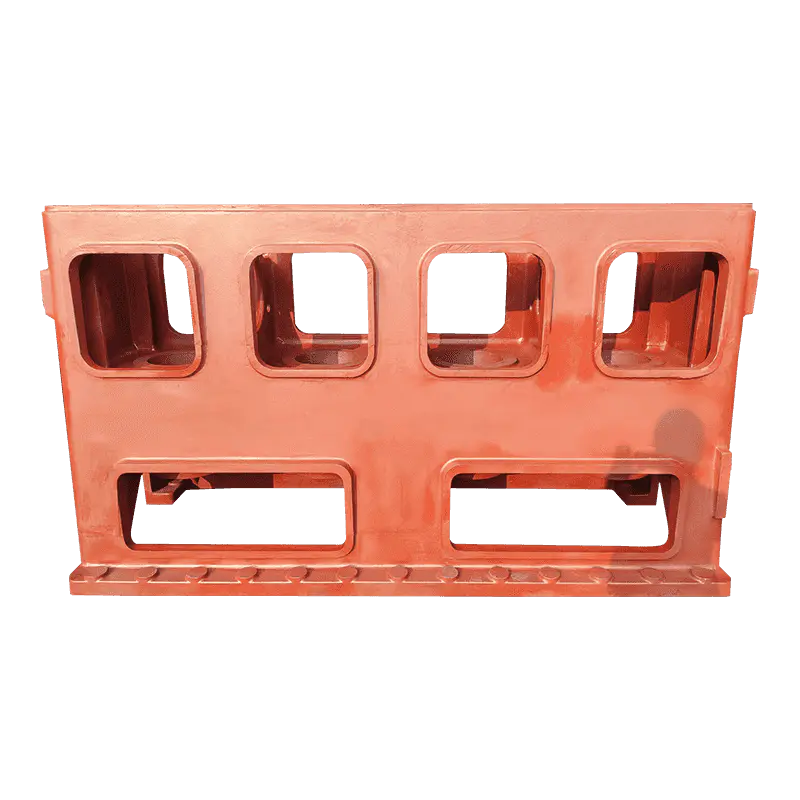
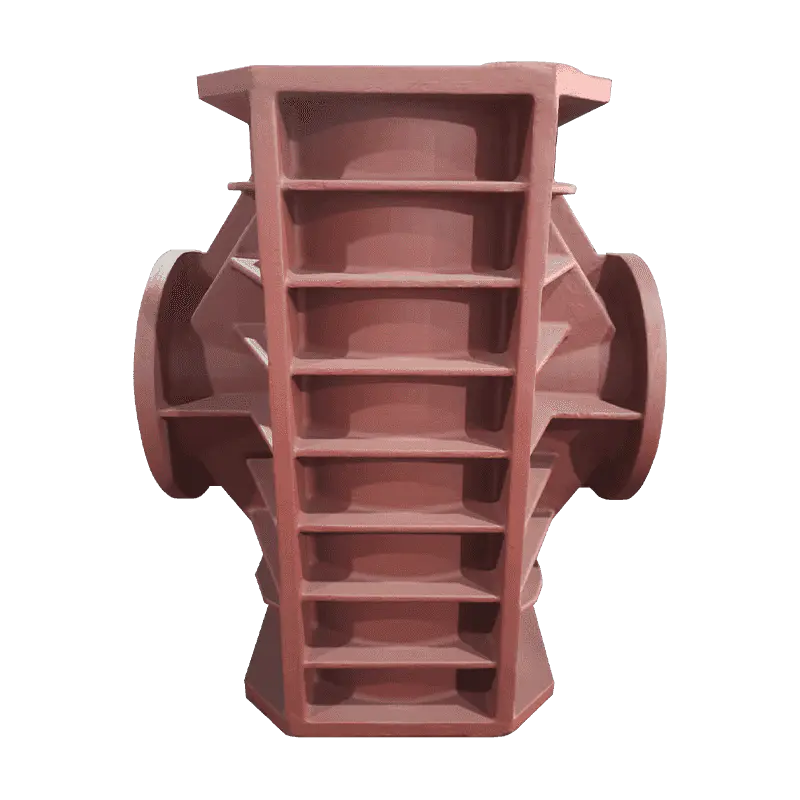
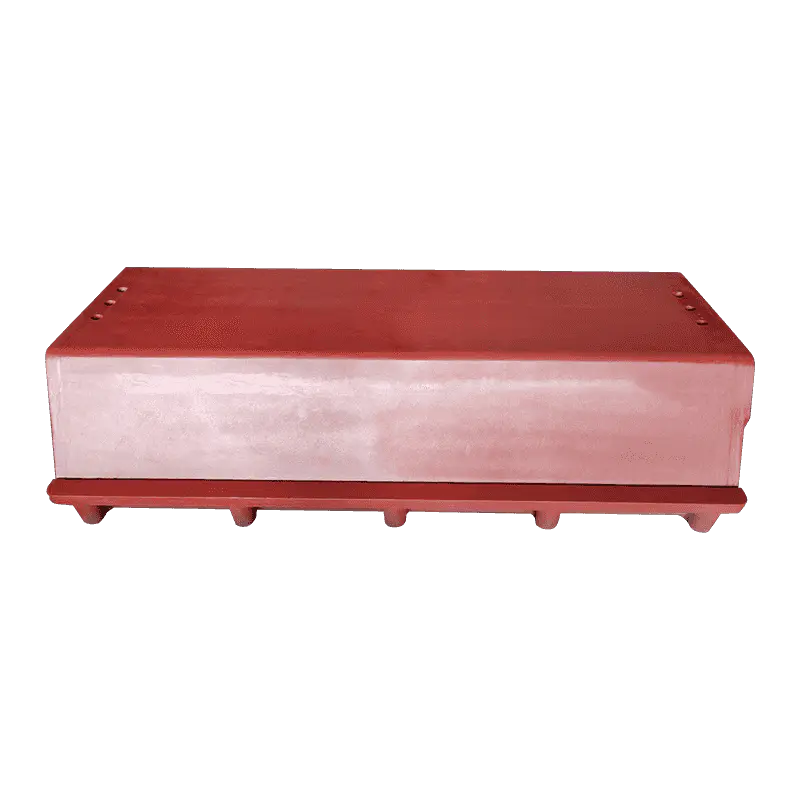
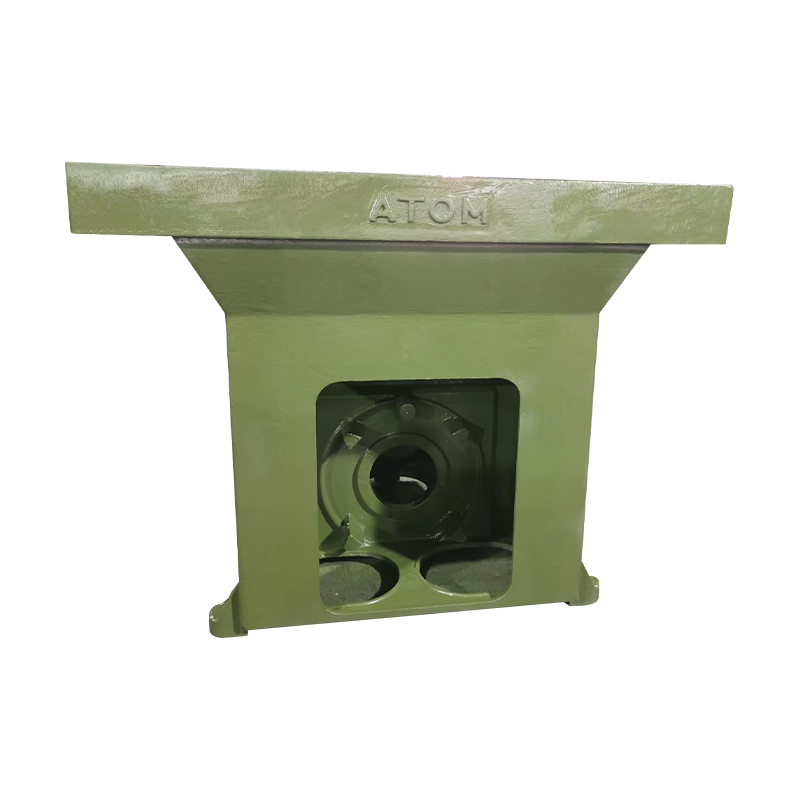 Precision Machine Tool Base Casting for Stable SupportThis machine tool base casting supports and positions spindle, bed, and worktable components, contributing to machine stiffness and dimensional stability. Its machinability and vibration-damping properties are relevant when static loads and moderate temperatures dominate applications.View Product →
Design win: When the dominant loads are static, service temperature is moderate, and vibration control is a priority, gray iron usually delivers the lowest total cost. Keep the safety factor generous, and the absence of a defined yield point is rarely a practical problem.
When ductile iron protects the design
Switch the load type and the answer flips. If a casting must absorb impact, hold pressure, or survive high-cycle fatigue, ductile iron offers something gray iron structurally cannot: deformation before fracture. A compressor crankcase is a good example. It supports the crankshaft and resists alternating forces from the connecting rods. In a gray iron crankcase, a discontinuity in the casting can turn into a propagating crack quickly because flake tips concentrate stress. In ductile iron, stress distributes around each nodule, and a crack has to work much harder to grow.
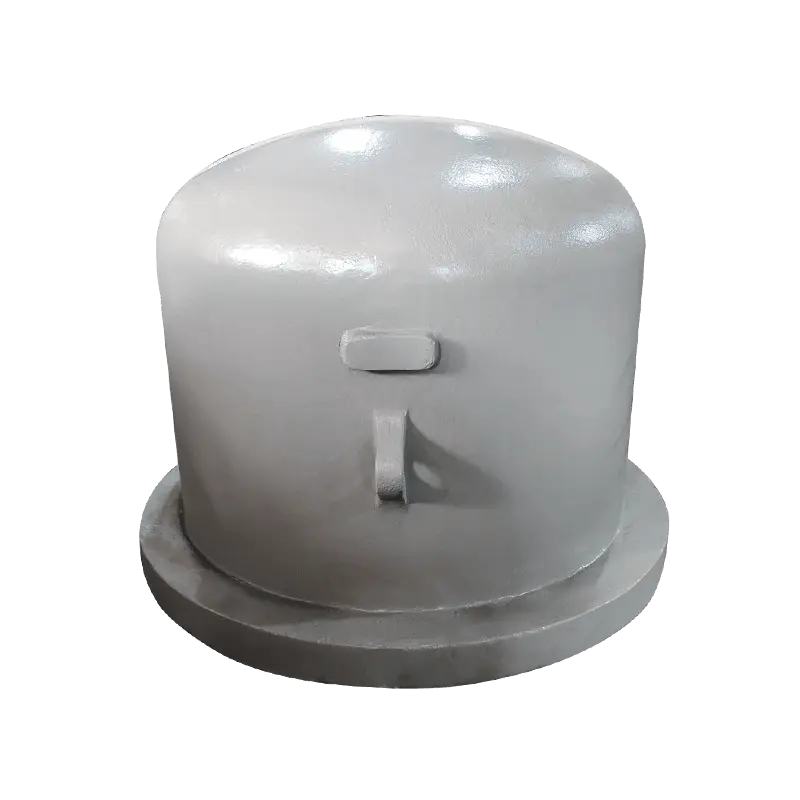
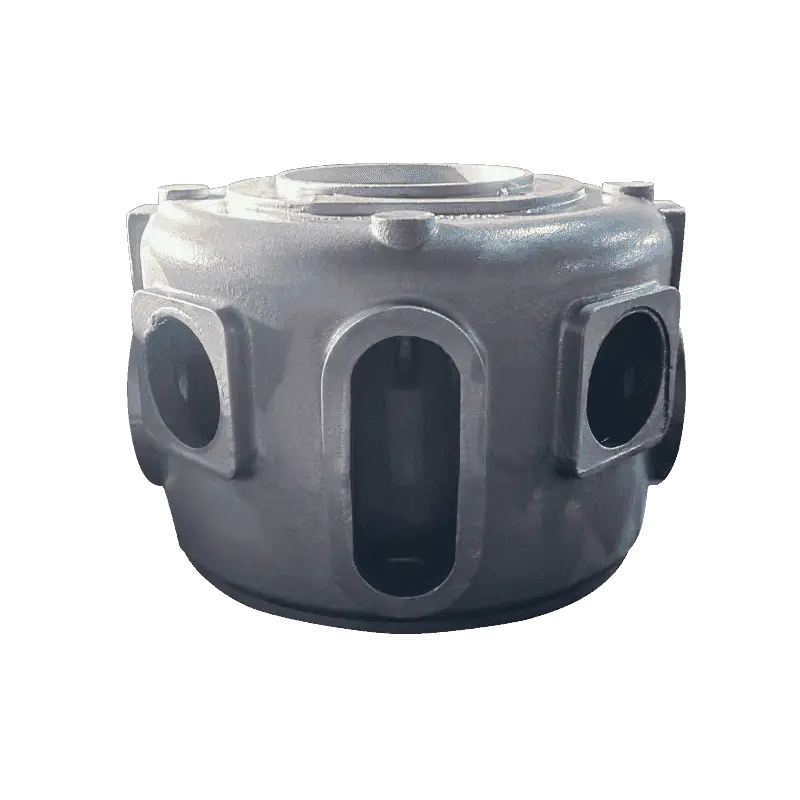
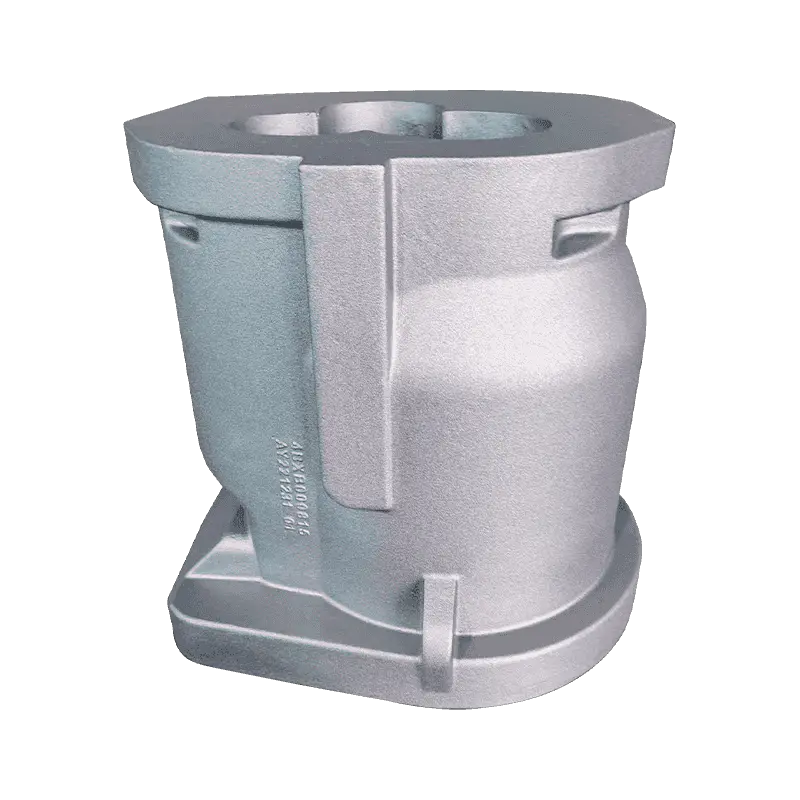
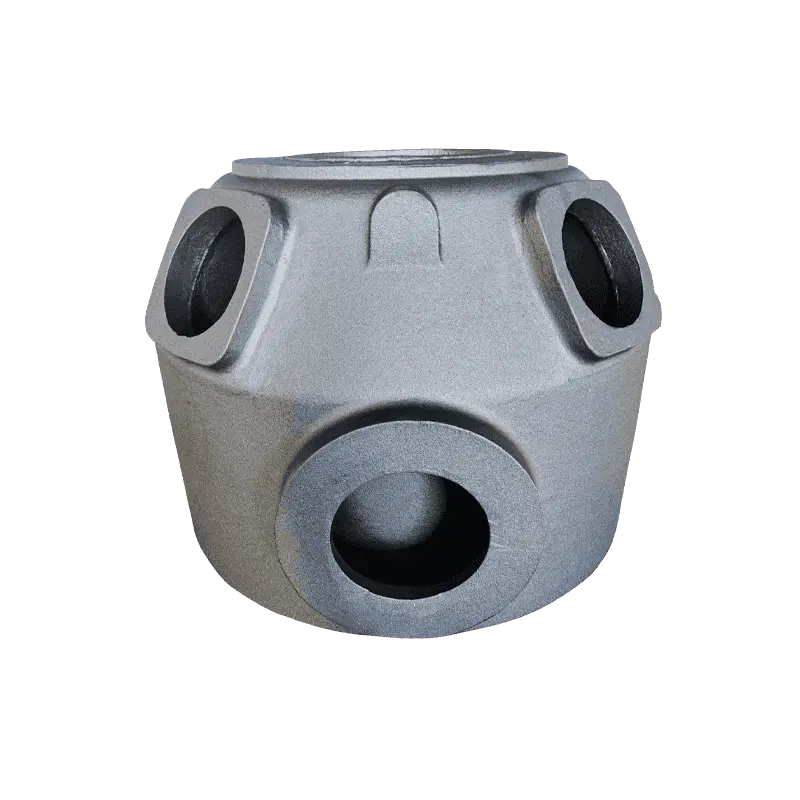
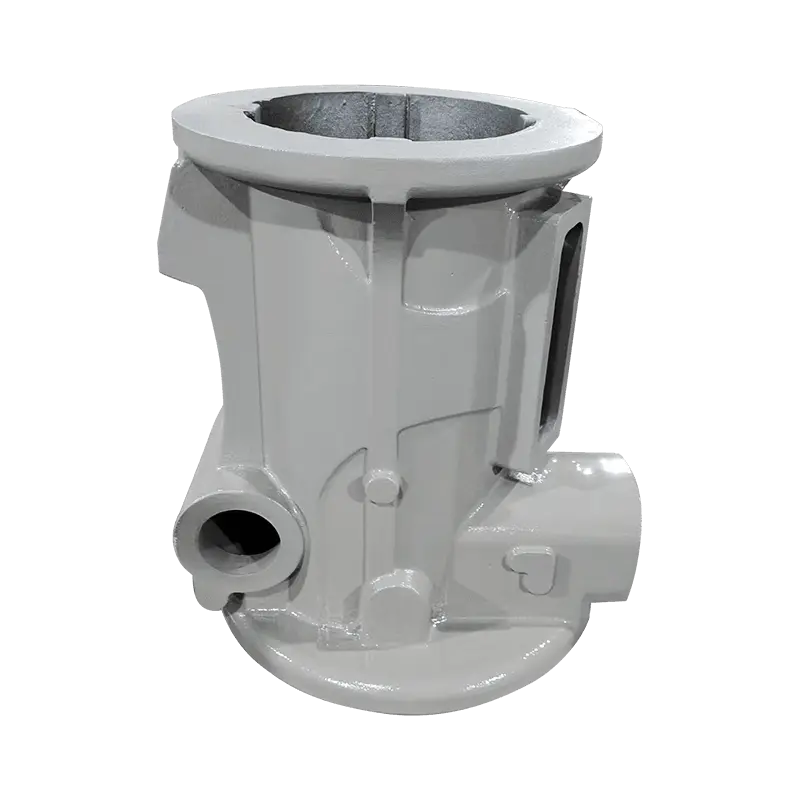
 Ductile Iron Compressor Crankcase for Fatigue ResistanceA compressor crankcase made of ductile iron offers deformation before fracture, distributing stress around graphite nodules to resist crack growth under alternating forces. It suits applications absorbing impact, holding pressure, or experiencing high-cycle fatigue.View Product →
The same logic applies to valve bodies, pump casings, and other pressure-containing parts. Designers specify ductile iron grades such as 65-45-12 or 80-55-06 because these grades give them a real yield point to calculate against. If you want a deeper understanding of what ductile iron is at the material level, begin with this overview of ductile iron.
Know the standard. Gray iron is commonly specified to ASTM A48 (Class 20 through 60) or ISO 185. Ductile iron is specified to ASTM A536 (grades such as 60-40-18, 65-45-12, 80-55-06, and 100-70-03) or ISO 1083. Write the standard on the drawing; verbal agreement is not enough.
Three questions to answer before requesting a quote
Foundries evaluate dozens of inquiries a week. The ones that move fastest carry a clear material specification. Before you send the next RFQ, answer three questions.
- Which grade and which standard? Not just gray iron or ductile iron but a specific class, grade, and standard so the foundry can plan the melt.
- What is the section thickness profile? A thick section cools slowly and coarsens the graphite structure, changing the mechanical result. The foundry's inoculation and cooling practice preserves the specified grade across different wall thicknesses.
- What are the acceptance criteria? Tensile bars poured separately, Brinell hardness ranges, ultrasonic inspection, or microstructure ratings. Agree on them before production starts.
Feeding matters. Ductile iron shrinks more than gray iron during solidification. A thin-walled ductile iron casting with no feeding path is a candidate for shrinkage porosity, so review the gating and risering plan with the foundry before production.
Hardness alone can mislead. A high hardness reading does not automatically mean a strong casting. It can indicate chill or carbide formation, which produces a brittle, nearly unmachinable part. Always verify with tensile or microstructure data before approving a new material.
Working with a foundry that pours both materials
The material choice is only half of the equation. The foundry's process control determines whether a casting actually delivers the properties written on the drawing. When a supplier pours both gray and ductile iron in the same plant, you get a direct comparison of manufacturability, lead time, and cost — instead of a pitch for whichever material they are comfortable with.
Haian Aoyu Machinery Manufacturing Co., Ltd. is one of those suppliers. The company operates an iron casting facility in Jiangsu Province with roughly 20,000 tons of annual casting capacity, 30,000 square meters of plant space, and an export record that includes the United States, Germany, Italy, Denmark, Switzerland, and Japan. Its product range is built around compressor castings, pump and valve castings, and machine tool castings, so the grey-versus-ductile decision is made project by project. You can browse the complete casting product catalog to see the range.
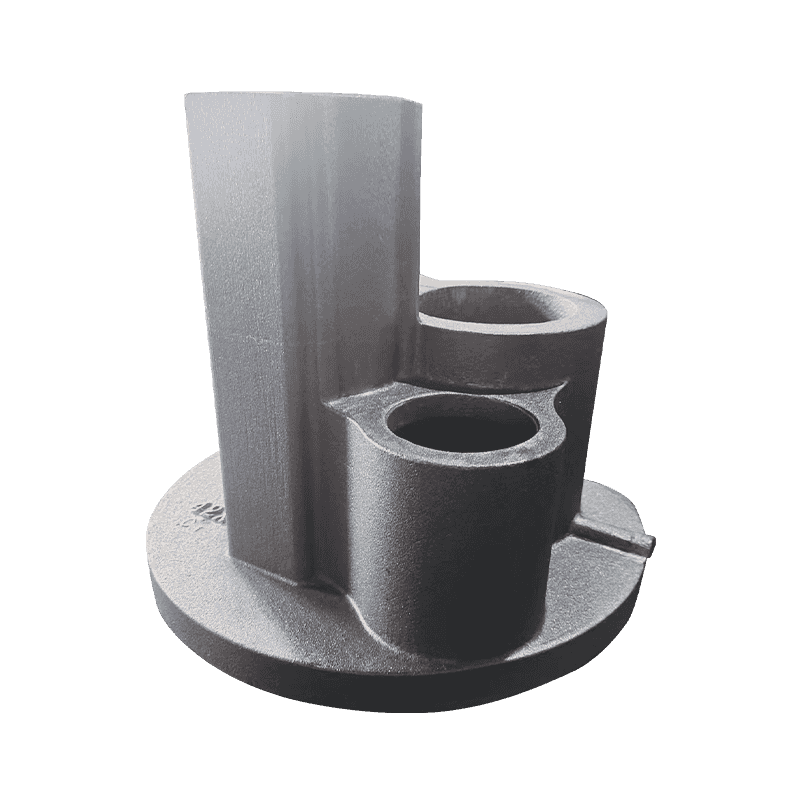
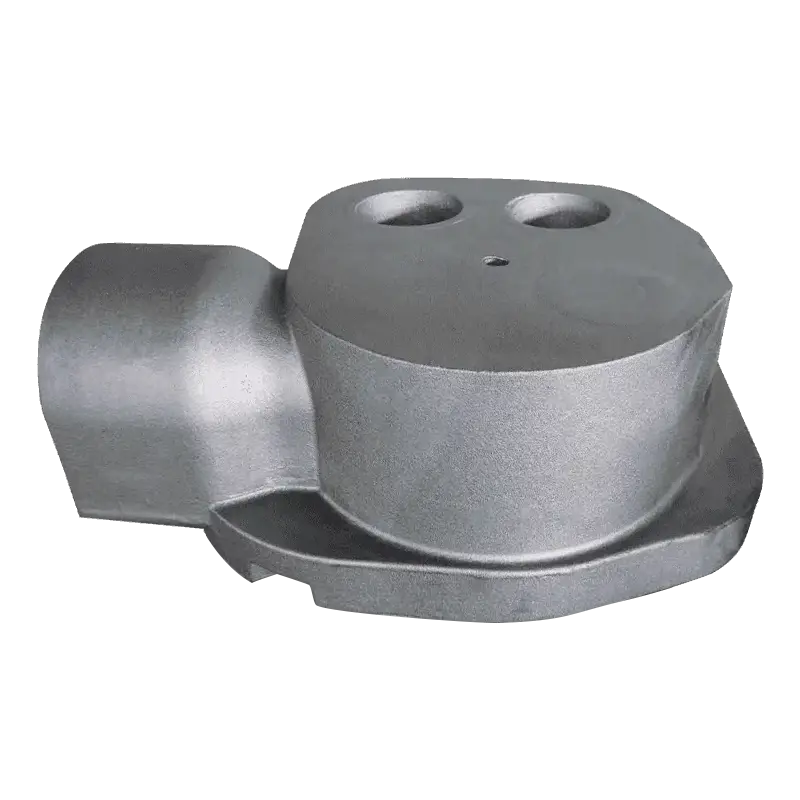
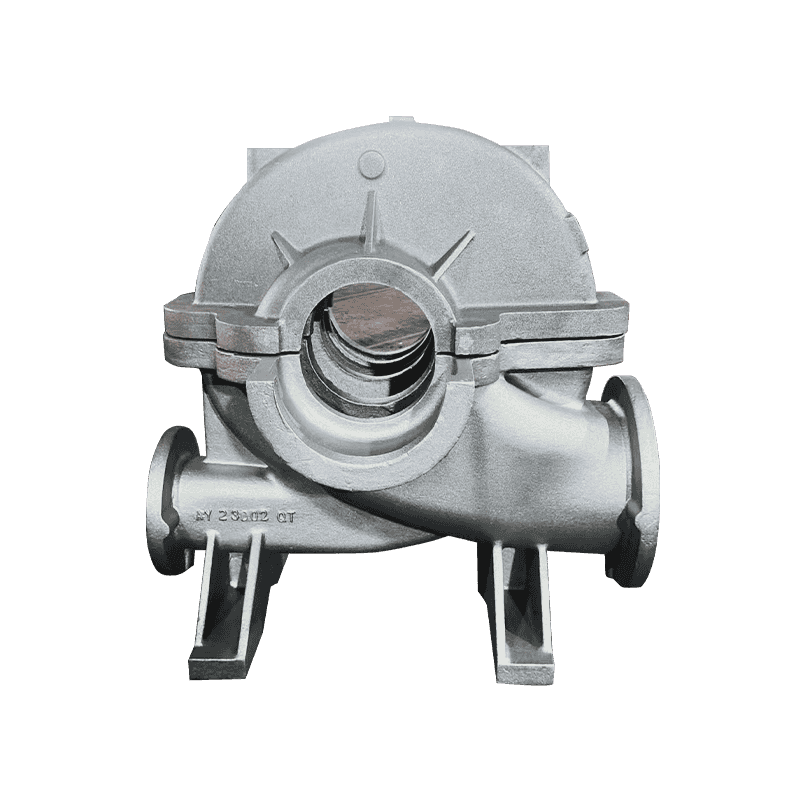
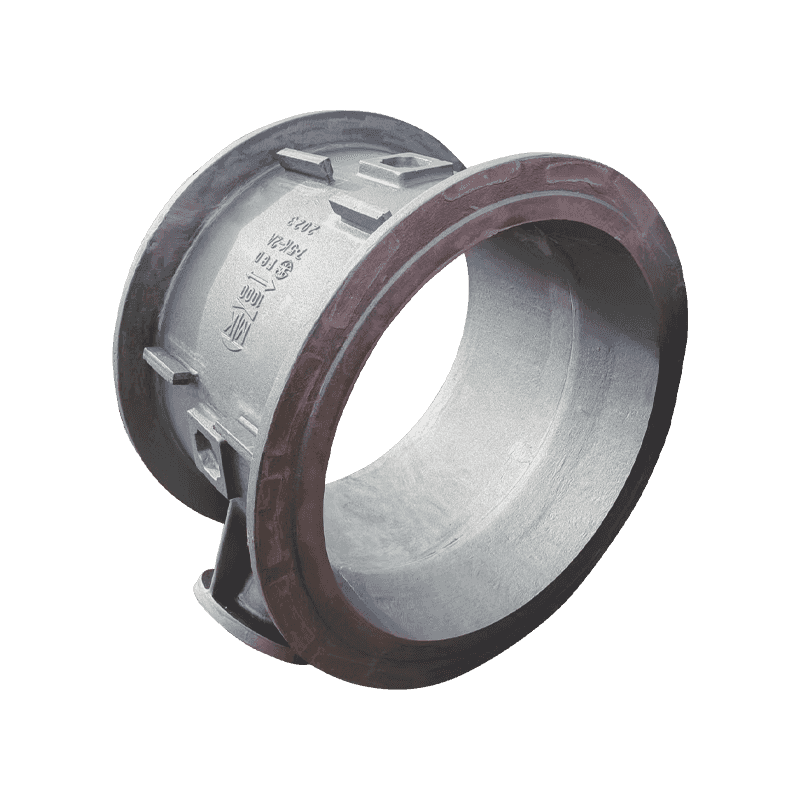 Pump Valve Body Casting with Integral Flow ChannelsThis pump valve body casting houses and supports valve components while directing fluid through machined flow passages. It is a key part of pump systems, and its material choice matters when evaluating grey versus ductile iron for pressure and machining cost.View Product →
A casting is a structure, not a tensile sample. The graphite tells you how the material behaves; the geometry tells you how the part behaves.
The grey-versus-ductile choice is not a popularity contest between materials. It is a structural assessment of what a part will face — vibration, impact, pressure, heat — and what it will cost to machine it to a finished state. Start with the graphite structure, compare the numbers, and let a foundry experience with both materials confirm the decision. That sequence is faster than a field failure and cheaper than over-engineering every casting.