EN
EN  English
 Español
 русский
 Deutsch
Why Ductile Iron Castings Are the Practical Choice for Structural Components
A pump manufacturer we worked with recently replaced a welded steel discharge housing with a ductile iron casting. The welded version required plate cutting, forming, multiple weld passes, and stress relief before machining. The ductile iron version was cast close to net shape, machined in fewer setups, and passed hydrostatic testing at 1.5 times working pressure. Total cost came down by about 20%.
That outcome is not unusual. Ductile iron castings combine the design freedom of cast iron with mechanical properties that approach cast steel, at a lower production cost. For components that carry load, contain pressure, or absorb impact, ductile iron is usually the first material to evaluate.
What Are Ductile Iron Castings?
Ductile iron, also called nodular cast iron or spheroidal graphite iron, is a cast iron alloy in which graphite precipitates as microscopic spheres instead of flakes. The process was developed in 1943 by Keith Millis, who added magnesium to molten iron and showed that the resulting nodules removed the internal stress concentrations typical of gray iron. If you need a more detailed introduction, our article on what ductile iron is covers the metallurgy in plain terms.
The difference is not a laboratory detail. In gray iron, graphite flakes act as internal stress concentrators, which gives the material good vibration damping but limits ductility and impact resistance. In ductile iron, the spheroidal graphite structure lets the metal matrix carry load without sharp internal notches, so a casting can yield and deform before it fractures.
Typical composition ranges are 3.2 to 4.0% carbon, 1.8 to 2.8% silicon, limited manganese, phosphorus, and sulfur, plus residual magnesium for nodularization. These values are controlled within tight tolerances because they determine the final strength, ductility, and machinability of the casting.
Mechanical Properties and Grades You Should Know
Ductile iron is specified by grade, and the most common classification system in international trade is ASTM A536. The grade designation directly encodes the minimum tensile strength, yield strength, and elongation.
| Grade | Tensile Strength (MPa) | Yield Strength (MPa) | Elongation (%) |
|---|---|---|---|
| 60-40-18 | 414 | 276 | 18 |
| 65-45-12 | 448 | 310 | 12 |
| 80-55-06 | 552 | 379 | 6 |
| 100-70-03 | 689 | 483 | 3 |
Reading the designation is simple: 65-45-12 means minimum tensile strength of 65 ksi, minimum yield strength of 45 ksi, and 12% elongation in a standard test bar. Ferritic grades such as 60-40-18 provide the most ductility and are preferred for pressure housings and impact-prone parts. Pearlitic grades such as 100-70-03 provide higher strength and better wear resistance but less elongation.
When standard grades are not enough, austempered ductile iron (ADI) can reach tensile strengths above 1,000 MPa with strong fatigue performance. ADI requires a dedicated heat treatment cycle and is used mainly in heavy gearing, truck components, and highly stressed machinery parts.
How Ductile Iron Castings Are Produced and Controlled
The mechanical properties listed above are reached only if the foundry controls the whole process, from melt chemistry to solidification rate. This is where the gap between a dependable casting supplier and a low-cost source becomes visible.
Molding and solidification control
Most ductile iron castings are made in green sand, resin sand, or shell molds. Shell molding, also called coated sand molding, is common for compressor cylinders and parts that need good surface finish and consistent dimensions. During pouring, the melt is treated with magnesium and inoculated with ferrosilicon to promote nodular graphite formation. The foundry must control pouring temperature, cooling rate, and riser design to avoid shrinkage defects and free carbide formation.
Solidification control is critical because ductile iron shrinks more than gray iron. If gating and risering are poorly designed, internal porosity can appear only after machining. A serious supplier verifies soundness through sectioning, ultrasonic testing, or radiography on a defined sampling plan.
Heat treatment and machining
Many ductile iron castings ship in the as-cast condition, but heat treatment is specified when consistent hardness or improved machinability is needed. Annealing increases ferrite content and ductility; normalizing produces a stronger pearlitic structure. For machine tool structures, the link between heat treatment and long-term wear behavior is well documented, and our article on heat treatment of machine tool castings explains the practical impact on service life.
Machining is just as important. Ductile iron is more abrasive to cutting tools than gray iron, so speeds, feeds, and insert grades must be planned accordingly. Suppliers with in-house CNC machining can deliver castings ready for assembly, which shortens the supply chain and reduces tolerance stack-up.
Where Ductile Iron Castings Deliver the Most Value
Ductile iron is not a general-purpose material; it is chosen for components where fatigue, pressure, and dimensional stability are the governing criteria. At Haian Aoyu Machinery Manufacturing Co., Ltd., we produce ductile iron castings mainly for three industrial segments.
Compressor components
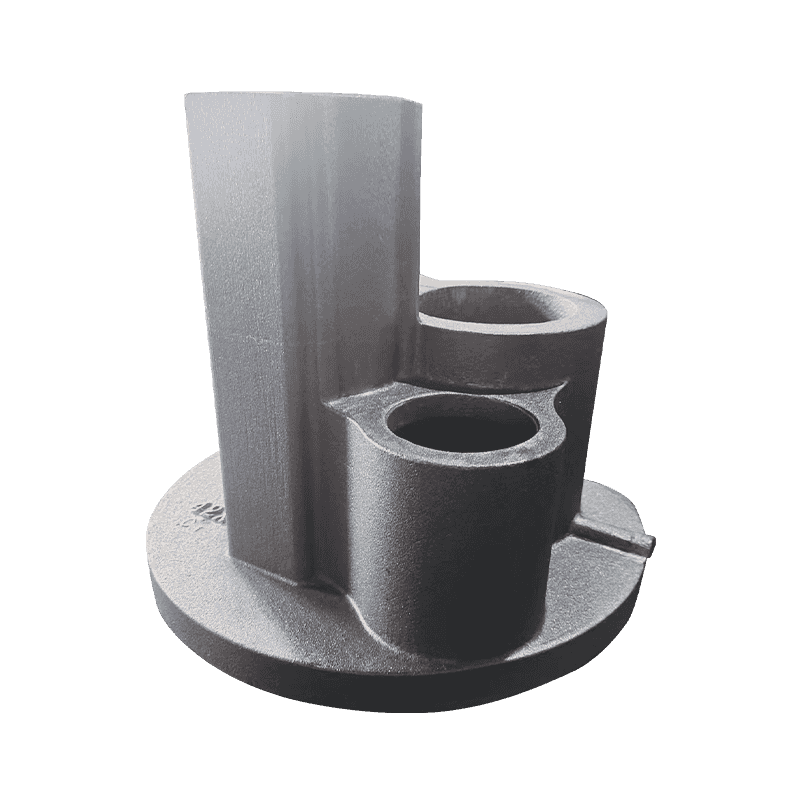
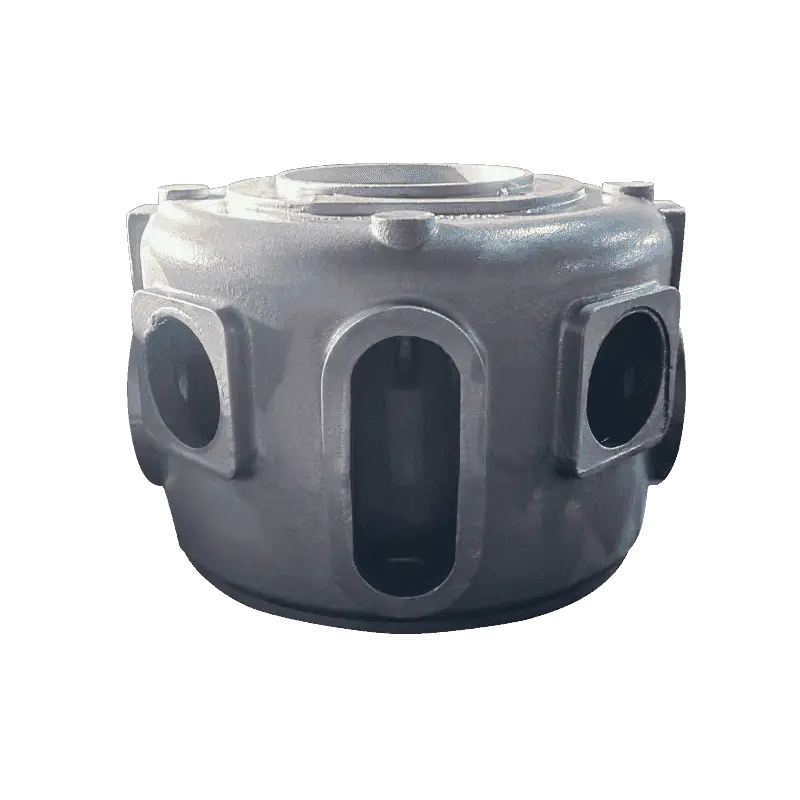
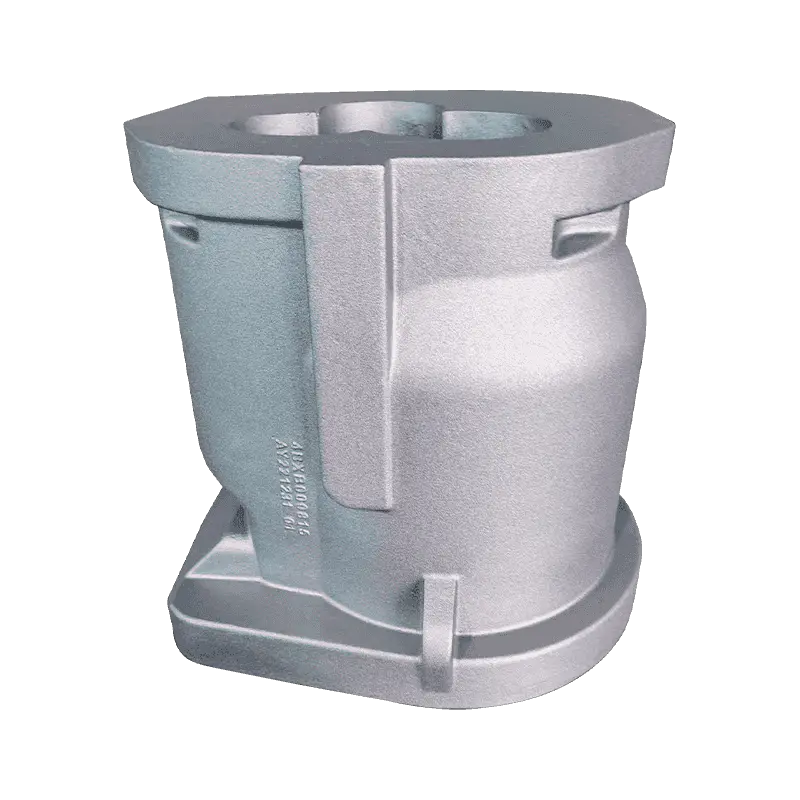
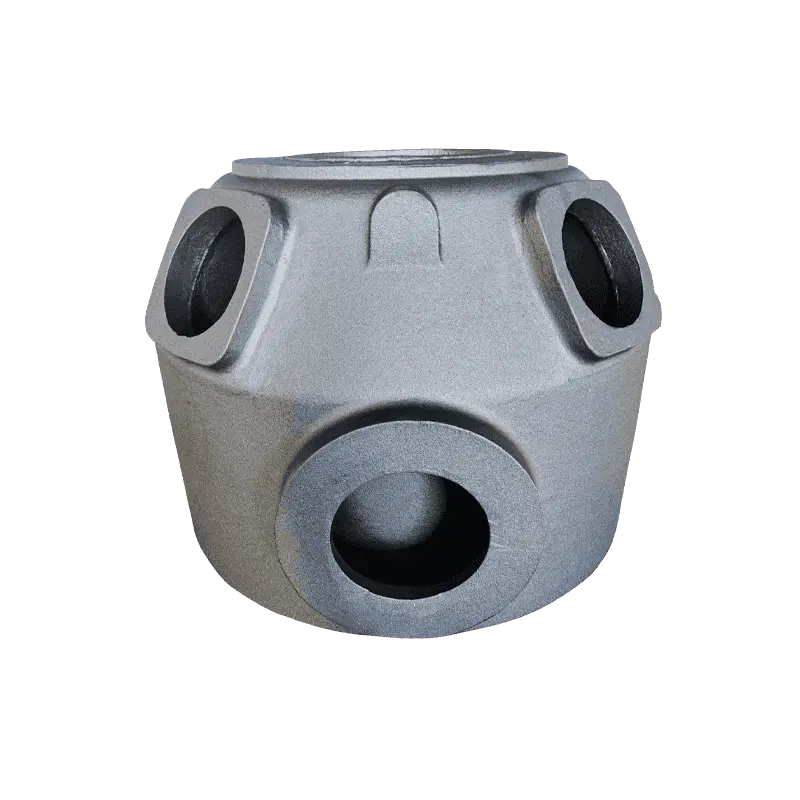
Compressor bodies, crankcases, cylinders, bearing seats, and rotor housings face gas pressure, vibration, and sliding wear. Ductile iron provides the fatigue strength to survive millions of pressure cycles while remaining castable in the complex core geometries that compressor designs require. Shell-molded cylinders improve surface finish and dimensional consistency, which reduces post-cast machining and helps sealing. A representative part is our compressor body casting, produced in ductile iron for frame and shell applications.
 Custom Casting Compressor body Manufacturers, Factory - Haian Aoyu Machinery ManHaian Aoyu Machinery Manufacturing Co., Ltd is China casting Compressor body Manufacturers and casting Compressor body Factory, we offer ...View Product →
Pump and valve castings
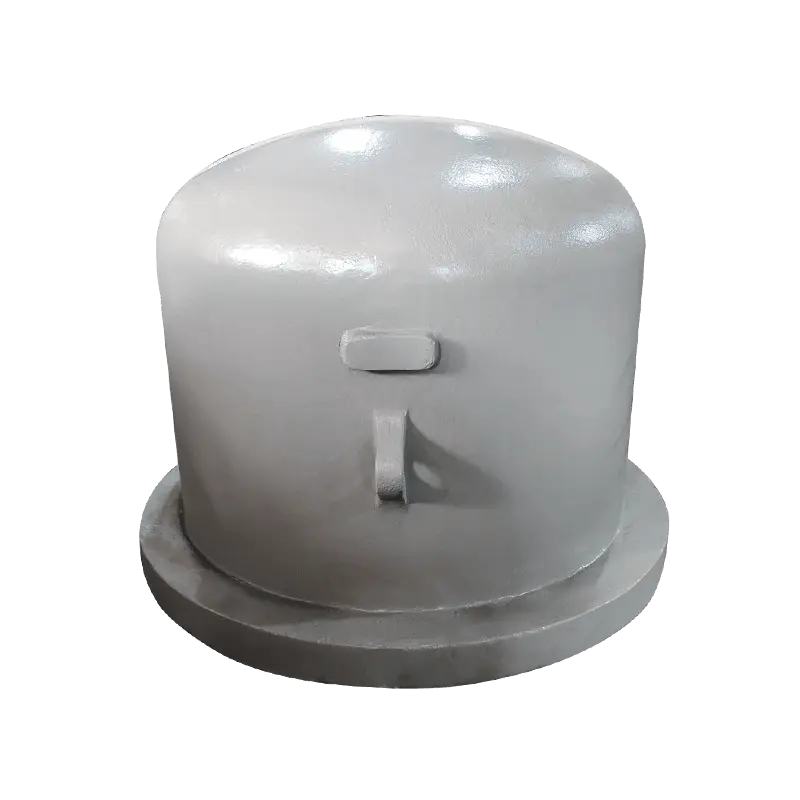
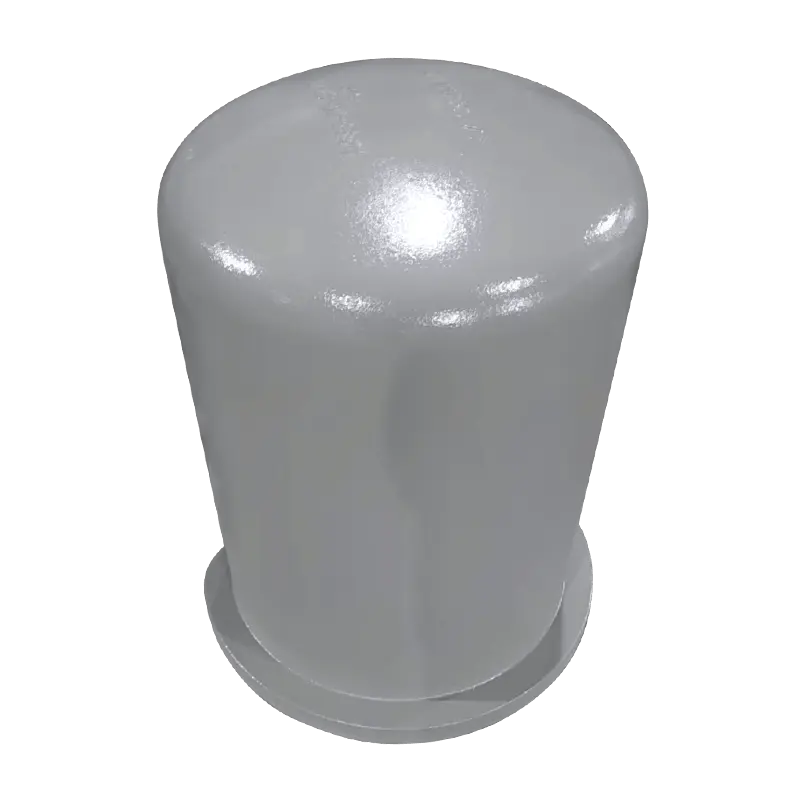
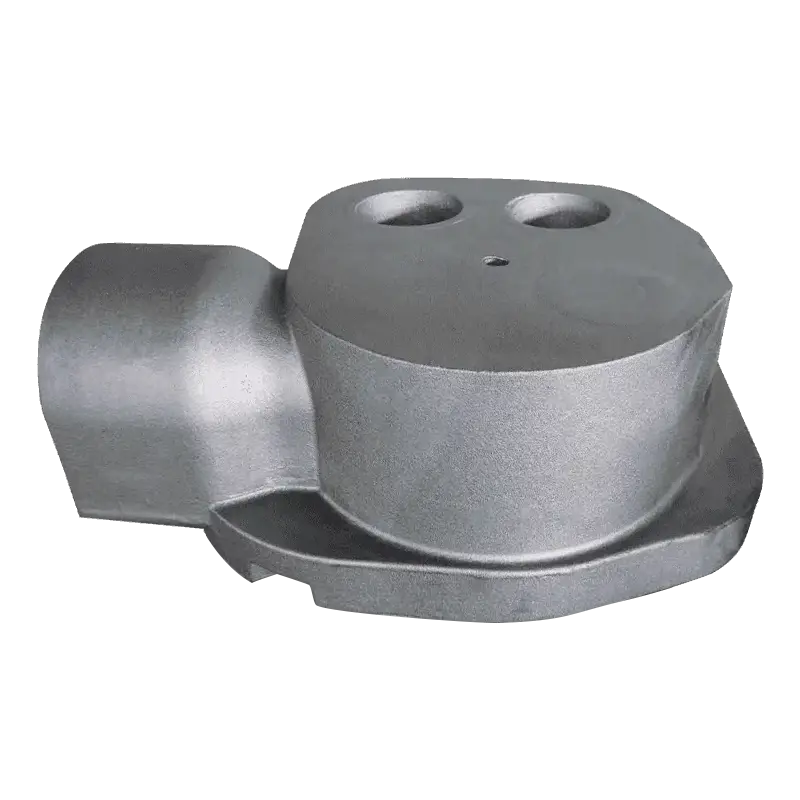
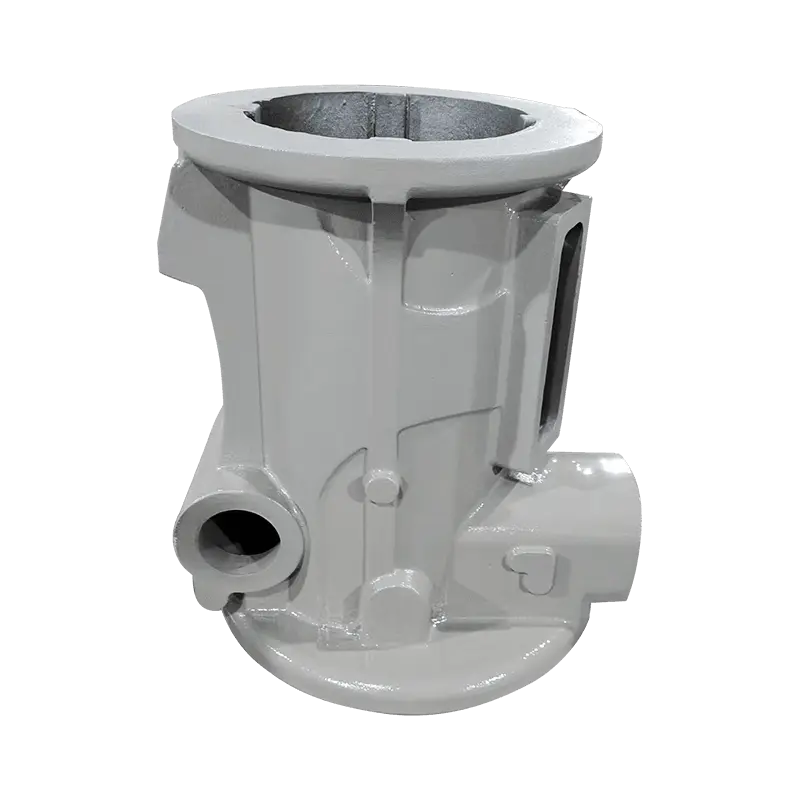
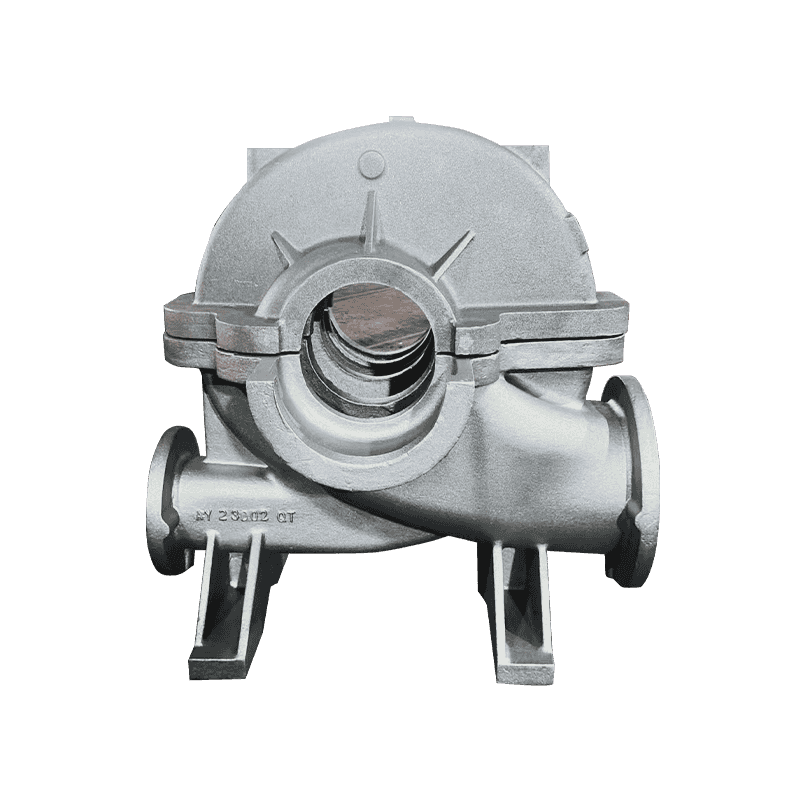
Pump bodies, valve bodies, covers, and impellers operate under hydraulic pressure and often handle abrasive or aggressive media. Ferritic and ferritic-pearlitic ductile iron offers the pressure tightness and impact resistance needed in water, wastewater, and process applications. It also withstands thermal cycling better than gray iron, which matters for pumps that start and stop frequently. Our pump body casting is available in both ductile and gray iron, depending on the pressure class and duty cycle.
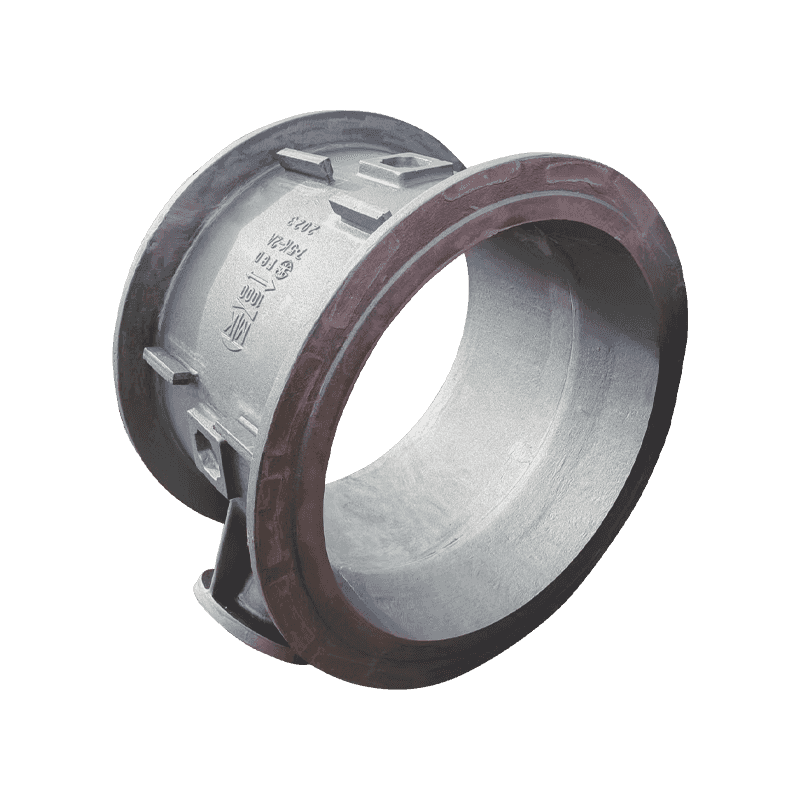 Custom Casting Pump body Manufacturers, Factory - Haian Aoyu Machinery ManufactuHaian Aoyu Machinery Manufacturing Co., Ltd is China casting Pump body Manufacturers and casting Pump body Factory, we offer custom Pump ...View Product →
Machine tool structures
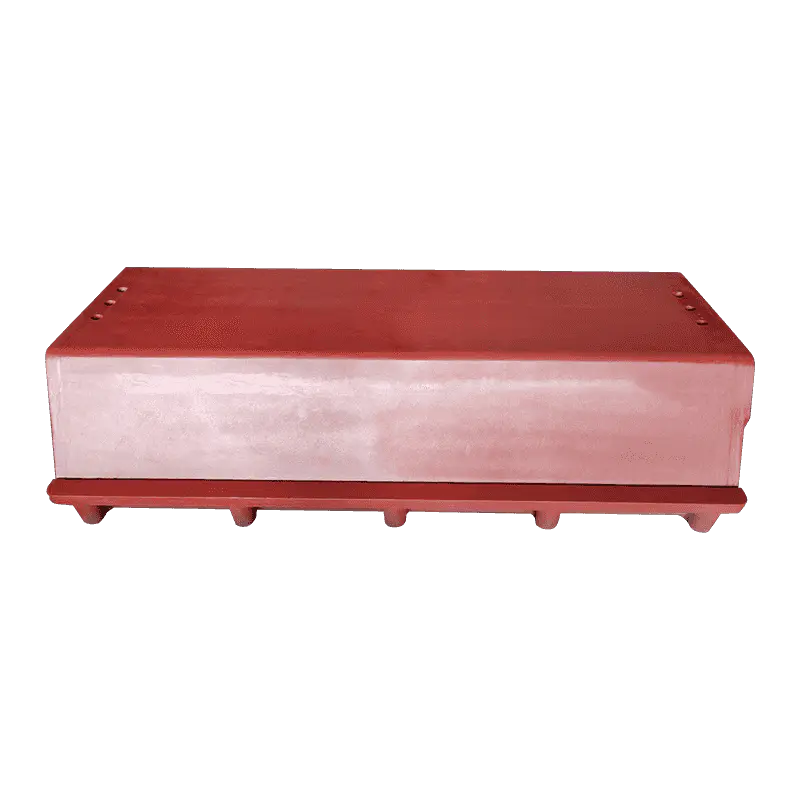
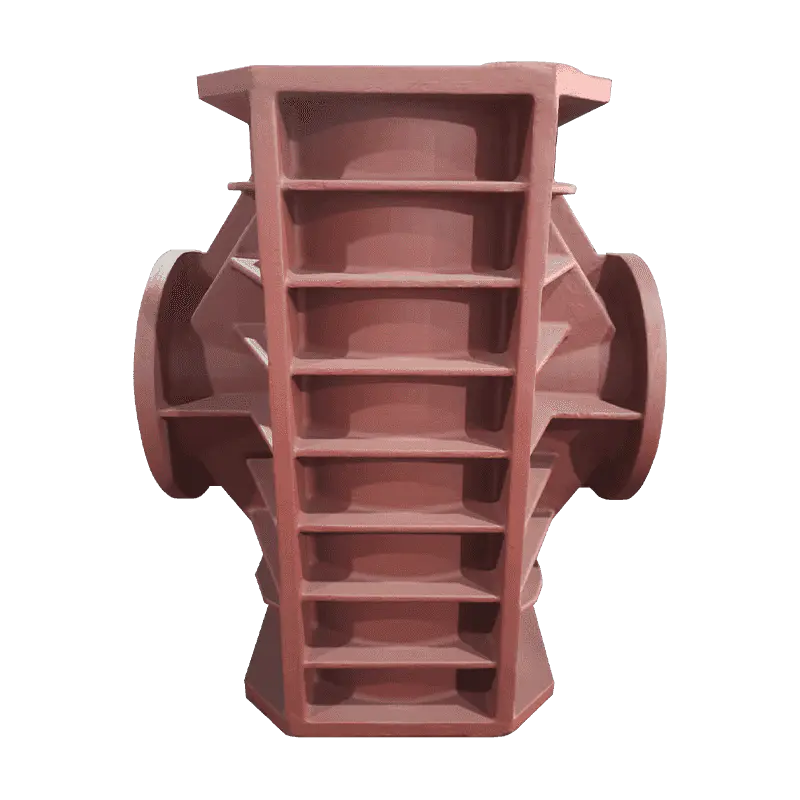
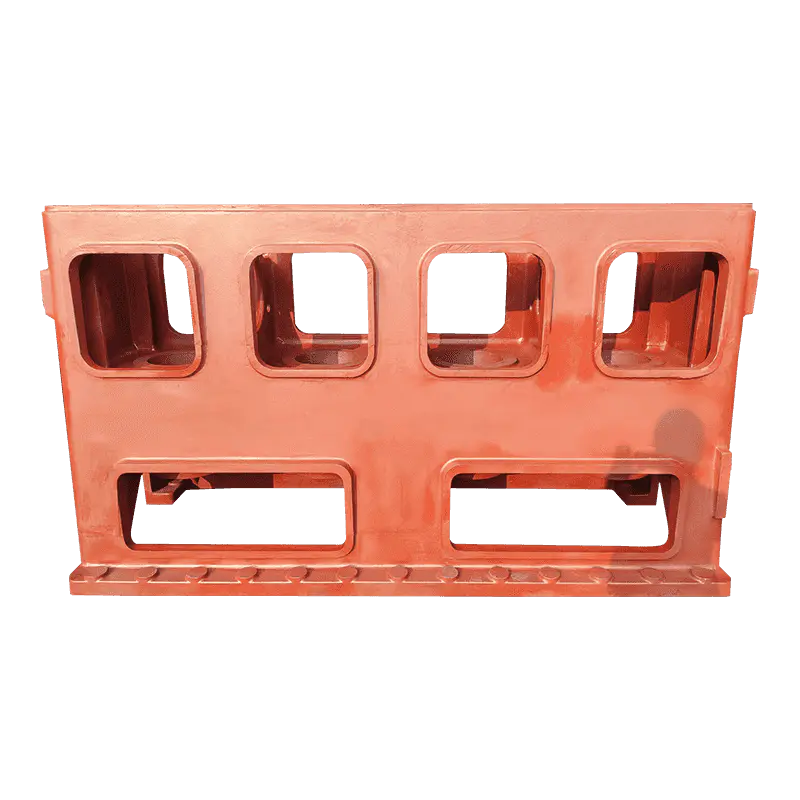
Machine tool bases and columns need high stiffness, good damping, and dimensional stability over years of service. Gray iron is the classic choice for its vibration damping, but ductile iron offers a higher elastic modulus and strength, which allows thinner wall sections without sacrificing rigidity. The result is a lighter, equally stiff structure, and this is why ductile iron appears in high-speed machining centers and large gantry machines. A common example is the machine base casting used under precision equipment.
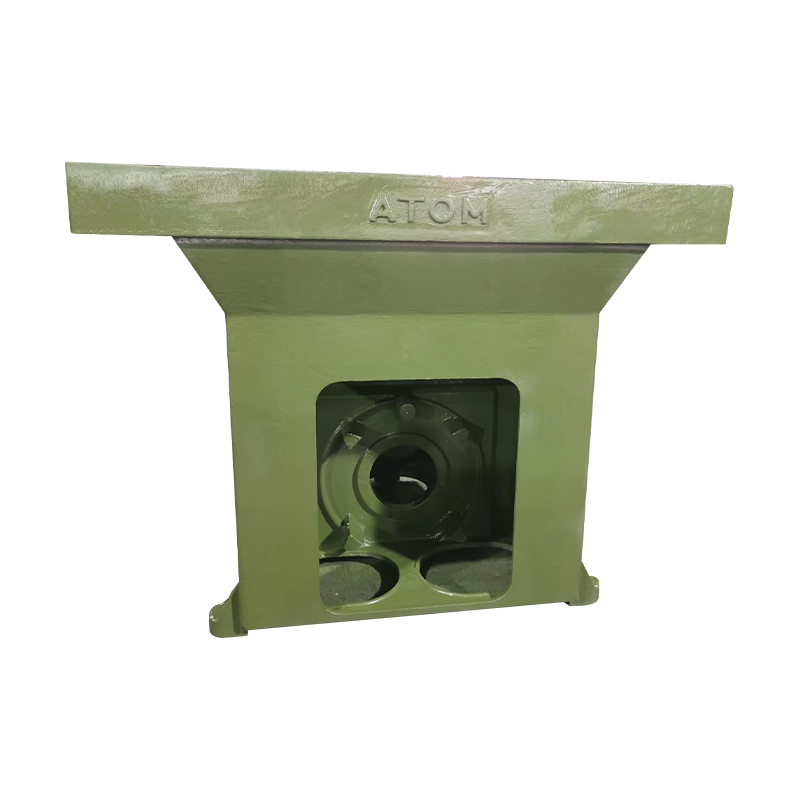 Custom Casting Machine base Manufacturers, Factory - Haian Aoyu Machinery ManufaHaian Aoyu Machinery Manufacturing Co., Ltd is China casting Machine base Manufacturers and casting Machine base Factory, we offer custom...View Product →
How to Evaluate a Ductile Iron Casting Supplier
When you source ductile iron castings, the unit price is the least useful number on the quotation. What matters is whether the foundry can consistently deliver the specified grade, soundness, and dimensional accuracy. These are the points we recommend checking before you approve a vendor.
- Melt control and nodularity: Ask how the foundry verifies magnesium content and nodularity. A reputable supplier should show micrographs from production samples and explain its acceptance limits.
- Testing frequency: Check whether tensile and hardness tests are performed per lot or only on request. Per-lot testing is the minimum for structural castings.
- Machining capability: In-house machining shortens lead times and gives the foundry direct feedback on casting quality.
- Export experience: Overseas buyers need consistent documentation, marking, and packaging. A supplier that already exports to Europe, North America, or Japan understands these requirements.
Haian Aoyu Machinery Manufacturing Co., Ltd. produces ductile and gray iron castings with an annual capacity of 20,000 tons from a 30,000-square-meter facility. Our castings are exported to the United States, Germany, Italy, Denmark, Switzerland, Belgium, Spain, and Japan, and our product range covers compressor castings, pump and valve castings, and machine tool castings.
Compressor manufacturers often ask us how to balance strength and wear resistance in compressor bearing seat material selection. The answer depends on operating temperature, lubrication, and impact loads, but in most cases ductile iron provides a better combination of fatigue strength and wear performance than gray iron.
The Casting Decision That Holds Up in Service
Ductile iron castings earn their role in compressor, pump, valve, and machine tool applications because they resolve the trade-off that gray iron cannot: strength without brittleness, and toughness without the price of forged or fabricated steel. The material performs as specified only when the foundry controls melt chemistry, molding, solidification, and testing with discipline.
Before you approve a casting vendor, ask for evidence of process control, not just a certificate. Verify how nodularity is checked, how many bars are tensile-tested per batch, and whether the foundry supports design-for-casting during the quotation stage. Those checks cost nothing, and they protect you from defects that show up only after machining, painting, or field installation.