EN
EN  English
 Español
 русский
 Deutsch
A pump casing that has to survive decades of seawater service. A compressor cylinder that must hold its bore geometry at 480°C. A valve body that has to stay ductile at -100°C. Standard ductile iron is not designed for any of these jobs. That is where ASTM A439 comes in. Formally titled the Standard Specification for Austenitic Ductile Iron Castings, A439 defines a family of high-nickel nodular irons that combine the castability of ductile iron with the heat, corrosion, and wear resistance of much more expensive alloys. Engineers know this material family as Ductile Ni-Resist, and understanding how the standard is structured is the first step to specifying it with confidence.
What ASTM A439 Covers
ASTM A439 sets the chemistry limits, mechanical property requirements, and test methods for austenitic ductile iron castings. The material is characterized by two structural features: graphite in nodular form, and a fully austenitic metal matrix. The austenite is stabilized by nickel additions that run from about 18 percent to 36 percent depending on grade, with chromium, silicon, and manganese adjusted to control oxidation behavior, corrosion resistance, and thermal expansion. This combination gives the casting a face-centered cubic structure that does not suffer the brittle transition that ordinary ferritic iron experiences at low temperature, nor the softening that pearlitic grades show as temperature climbs.
In practical terms, ASTM A439 gives you a verifiable baseline. You do not have to rely on a supplier's description of "a special iron mix." The standard names the grade, sets the allowed composition range, and defines the tensile, yield, elongation, and hardness values that test bars from each heat must meet. That clarity is exactly why A439 is the reference document used by engineers who buy castings for pumps, compressors, valves, and high-temperature machinery.
The Grade Families at a Glance
ASTM A439 defines nine grades. All are austenitic ductile irons, but each one balances nickel and chromium differently, and those differences determine how far the material can go in service. The table below summarizes the most important distinctions.
| Grade | Nickel % | Chromium % | Primary Service Characteristic |
|---|---|---|---|
| D-2 | 18-22 | 1.75-2.75 | General-purpose heat and corrosion resistance; default choice for pumps and valves |
| D-2B | 18-22 | 2.75-4.0 | Higher chromium for better erosion and wear resistance in moving fluids |
| D-2C | 20-24 | 0.5 max | Low-chromium grade with improved machinability for lightly corrosive service |
| D-3 | 28-32 | 2.75-4.0 | Elevated-temperature service with good oxidation resistance |
| D-3A | 28-32 | 1.0-1.5 | Improved resistance to thermal cycling and thermal shock compared with D-3 |
| D-4 | 30-34 | 4.5-5.5 | Maximum oxidation resistance for furnace parts and heat-treat fixtures |
| D-5 | 34-36 | 0.1 max | High-temperature strength for loaded parts with good scaling resistance |
| D-5B | 34-36 | 2.0-3.0 | Improved creep resistance for long-term high-temperature loading |
| D-5S | 34-36 | 0.1 max | Silicon-rich grade with very low thermal expansion for precision components |
Catalog data often refers to A439 grades with suffix numbers, for example D-2 58-30-8. Those three numbers are the minimum tensile strength in ksi, the minimum yield strength in ksi, and the minimum elongation in percent. D-2 thus promises 58 ksi (400 MPa) ultimate tensile, 30 ksi (207 MPa) yield, and 8 percent elongation. On the more ductile end, D-2C and D-5 stretch to roughly 20 percent elongation, which is a useful reminder that not all A439 grades are equal when toughness matters.
Heat, Corrosion, or Wear: Matching the Grade to the Job
The first decision is always service temperature. Below about 370°C, D-2 grades carry most applications comfortably. Above that, the 28-36 percent nickel grades take over. D-3 and D-3A are common choices for the 400-500°C range, and D-4 or D-5B are the grades to examine when a part spends its working life near 700-800°C. Some A439 grades provide sound mechanical properties up to approximately 800°C, but the exact ceiling depends on the grade and the mechanical load.
Corrosion resistance follows a different logic. Nickel is the element that fights alkalis, neutral salts, and dilute acids, while chromium builds resistance to oxidizing media. For seawater pump components, D-2 is the standard answer because it resists pitting and chloride attack at a reasonable cost. If the flowing medium contains sand or other abrasive particles, D-2B adds chromium to improve erosion resistance. This is the classic simultaneous corrosion-and-erosion situation, and it is exactly where austenitic ductile iron beats both gray iron and ordinary ductile iron.
Low-temperature performance rounds out the selection logic. Austenitic irons do not show a ductile-to-brittle transition the way ferritic and pearlitic irons do. Grades like D-2C and D-5S keep their impact energy down to about -196°C, which is why they appear in LNG valves, cryogenic pump bodies, and other sub-zero fluid handling equipment.
Specifying and Verifying A439 Castings
When you order a casting under ASTM A439, the purchase order should state the grade, the heat treatment condition, and the required testing. Most A439 castings are supplied in the stress-relieved condition. The standard allows test bars to be cast separately from the same heat, and the foundry should supply the chemical analysis and tensile results for each heat along with the casting.
Pay attention to hardness as well as tensile numbers. Austenitic ductile irons typically measure in the 140-200 HB range depending on grade and section size. If your drawing specifies a hardness far above that range, either the grade is wrong or the material is not truly A439.
Why Foundry Experience Matters
Austenitic ductile iron is measurably harder to produce than standard ductile iron. The nickel content must be controlled tightly to hit the composition window. The magnesium treatment that produces nodular graphite needs consistent recovery, and the austenitic grades shrink more during solidification, so gating and feeding design require more care. A foundry with broad ductile iron experience but no regular exposure to high-nickel alloys will show it in scrap rates and delivery problems.
In our own production work with malleable and ductile iron castings for compressors, pumps, and machine tools, the difference between a familiar alloy and a first-time alloy shows up immediately on the shop floor. High-nickel heats demand stricter attention to charge materials, pouring temperature, and riser design. That is why an honest conversation with a foundry about which A439 grades they have actually poured is worth more than a page of certifications.
Typical Service Applications
The list of A439 applications reads like a map of industrial fluid handling and heat management. Pump casings and impellers for seawater and chemical service, compressor cylinders and valve bodies for hot gas, turbocharger housings that see both high temperature and thermal cycling, and cryogenic valve bodies for LNG service all take advantage of different A439 grades.
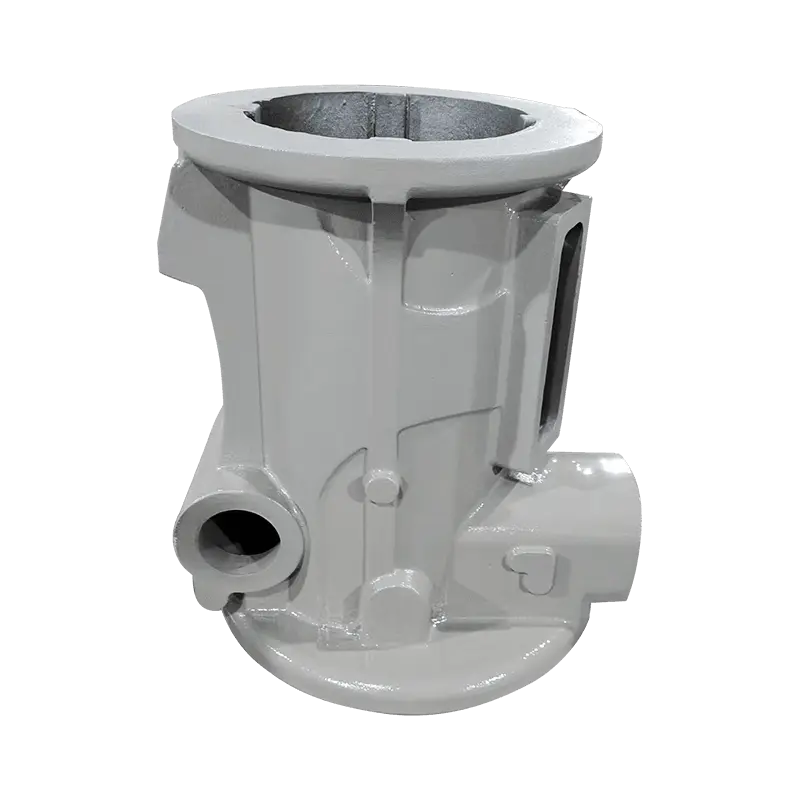
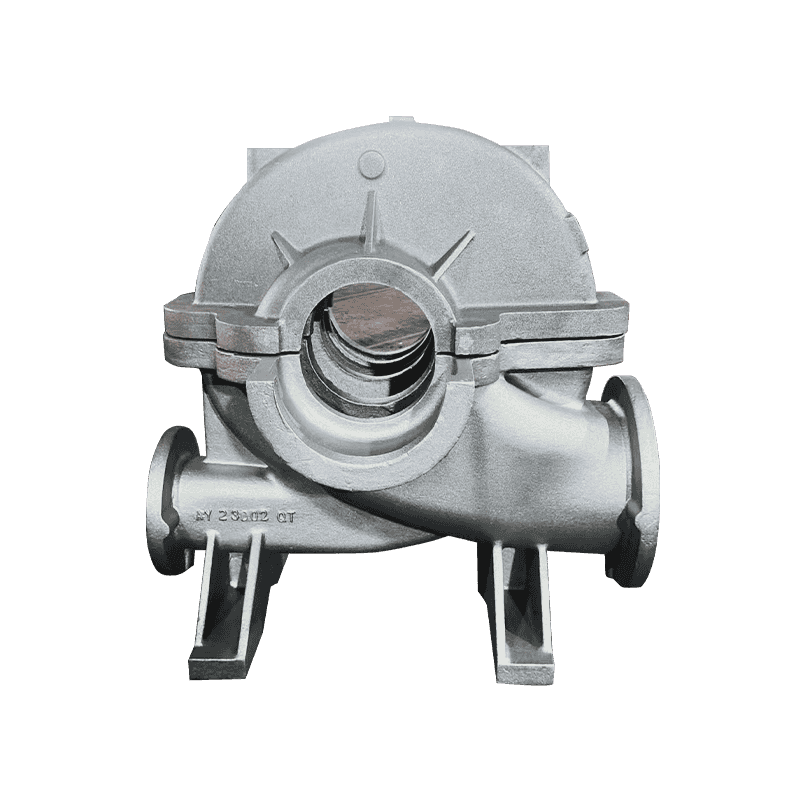
Pump applications lean on the corrosion and erosion side. An axial flow pump moving large volumes of water or process fluid faces continuous contact with the medium, and pump body castings made from D-2 or D-2B survive where standard iron would corrode or erode in a fraction of the time. The piston pump valve body is the flow-control heart of the pump, and its thinner walls make the corrosion allowance of austenitic iron even more valuable.
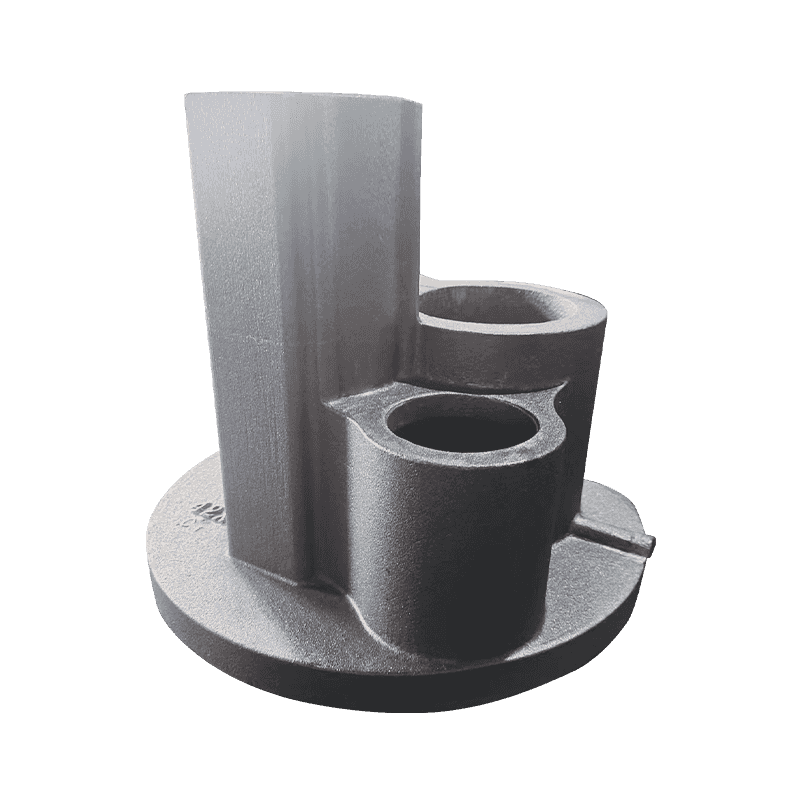
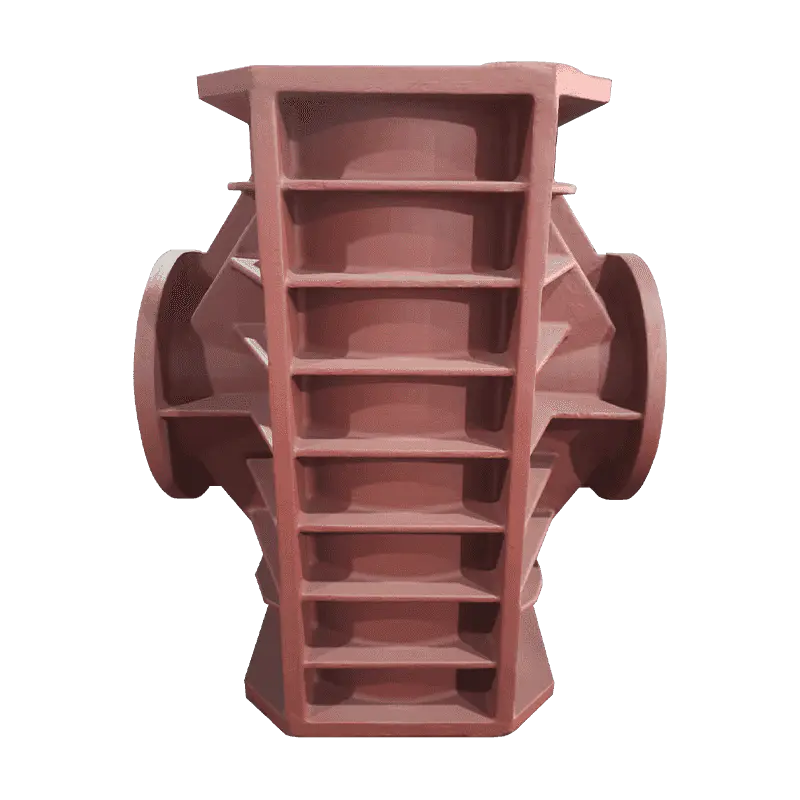
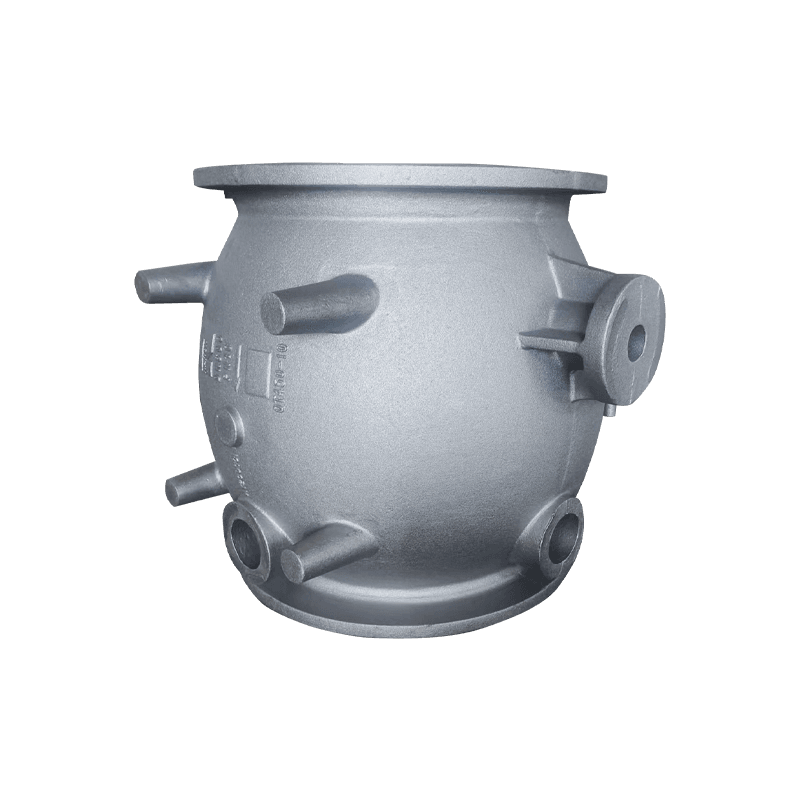 Custom Casting Piston pump valve body Manufacturers, Factory - Haian Aoyu MachinHaian Aoyu Machinery Manufacturing Co., Ltd is China casting Piston pump valve body Manufacturers and casting Piston pump valve body Fact...View Product →
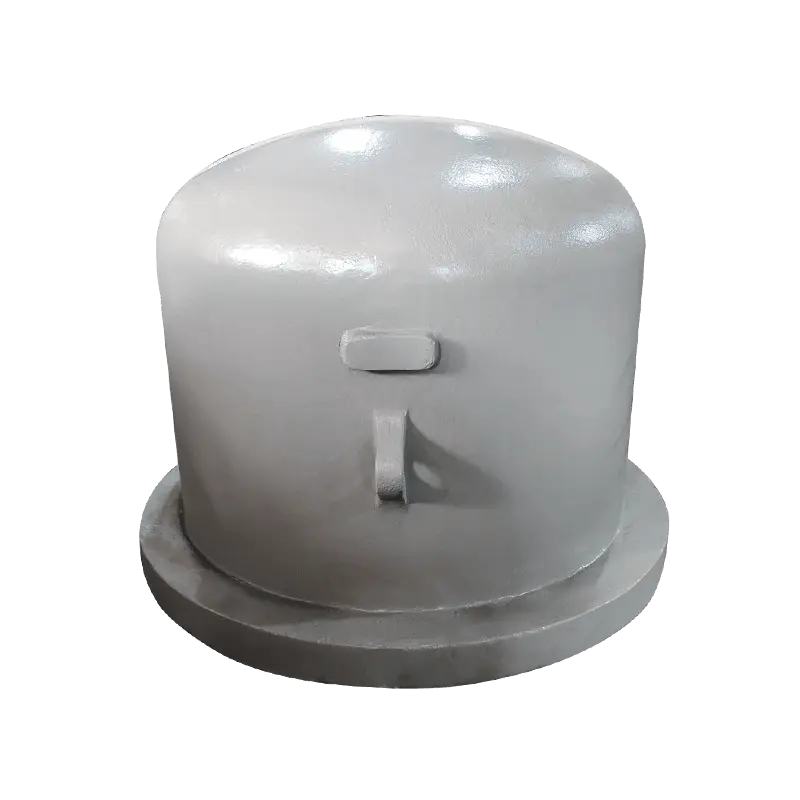
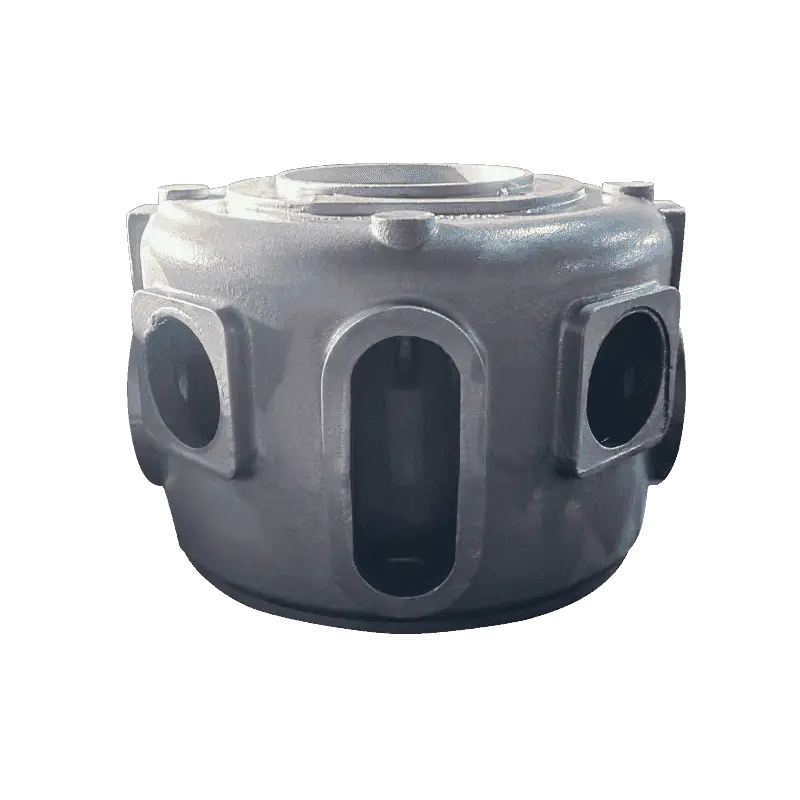
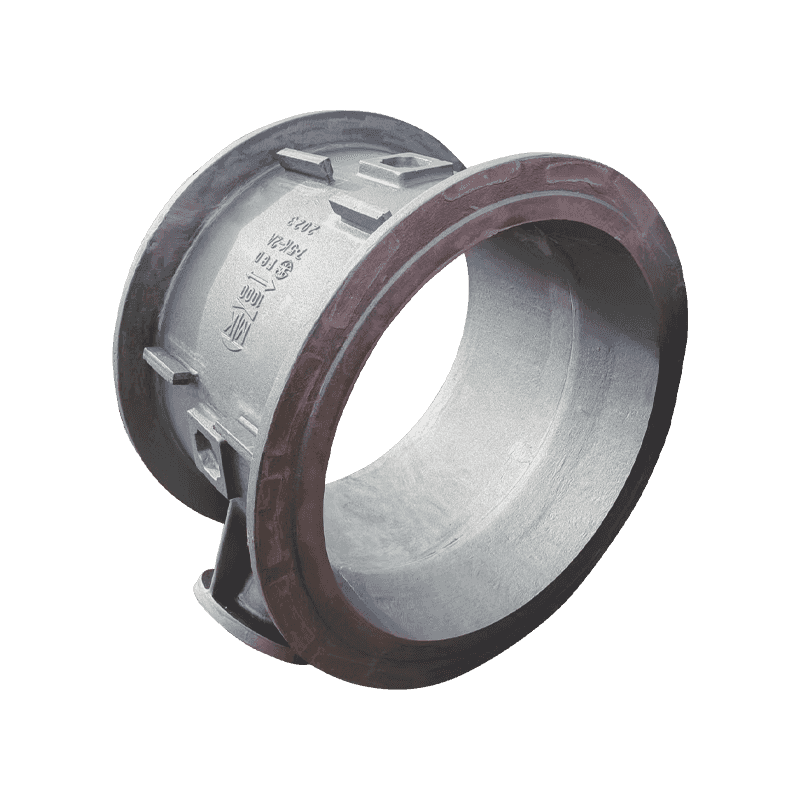 Custom Casting Pump body Manufacturers, Factory - Haian Aoyu Machinery ManufactuHaian Aoyu Machinery Manufacturing Co., Ltd is China casting Pump body Manufacturers and casting Pump body Factory, we offer custom Pump ...View Product →
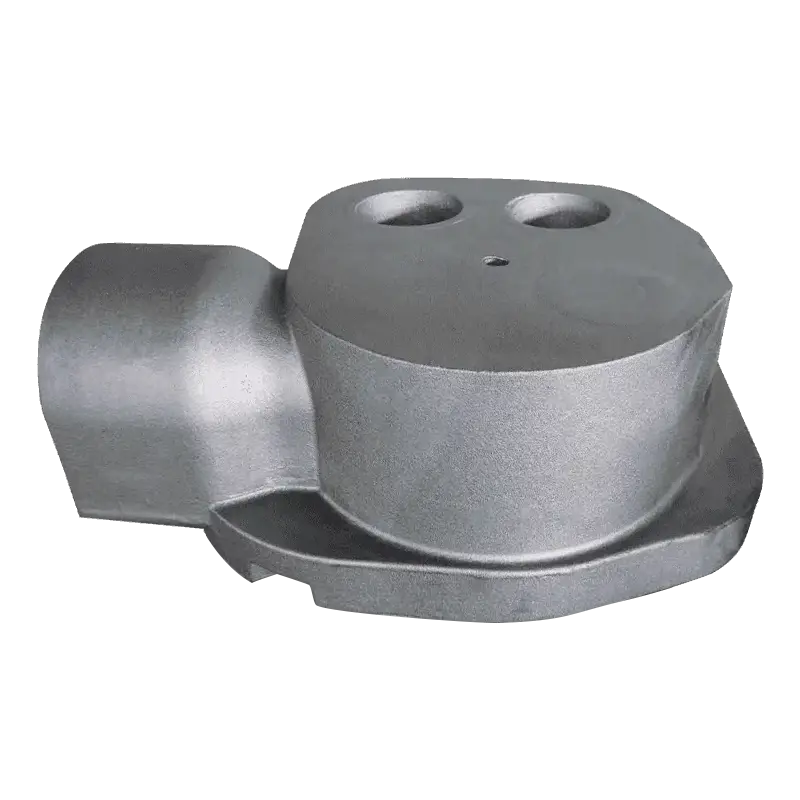
Compressor applications focus on the heat side. A compressor cylinder casting that keeps its bore geometry at elevated discharge temperatures lets the compressor maintain sealing clearances and volumetric efficiency. The same logic applies to compressor exhaust seats and hot-gas housings, where scaling and distortion are the two failure modes that matter.
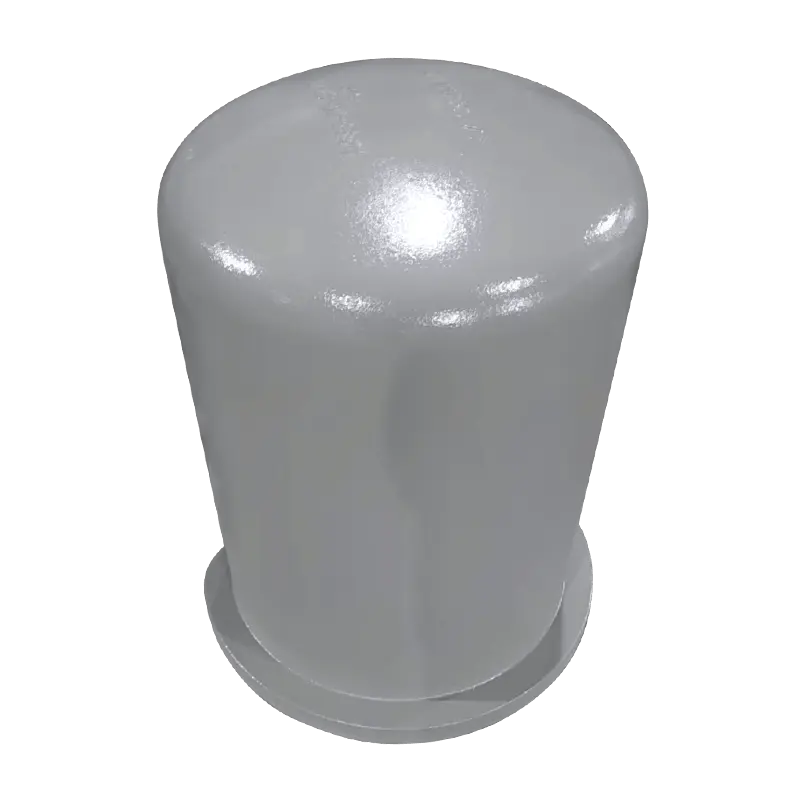
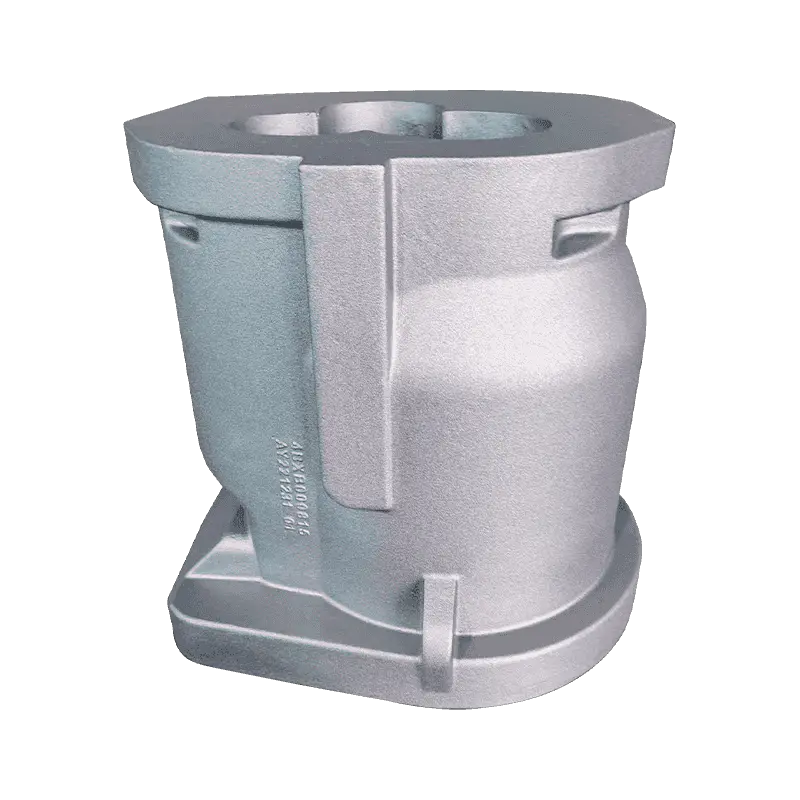
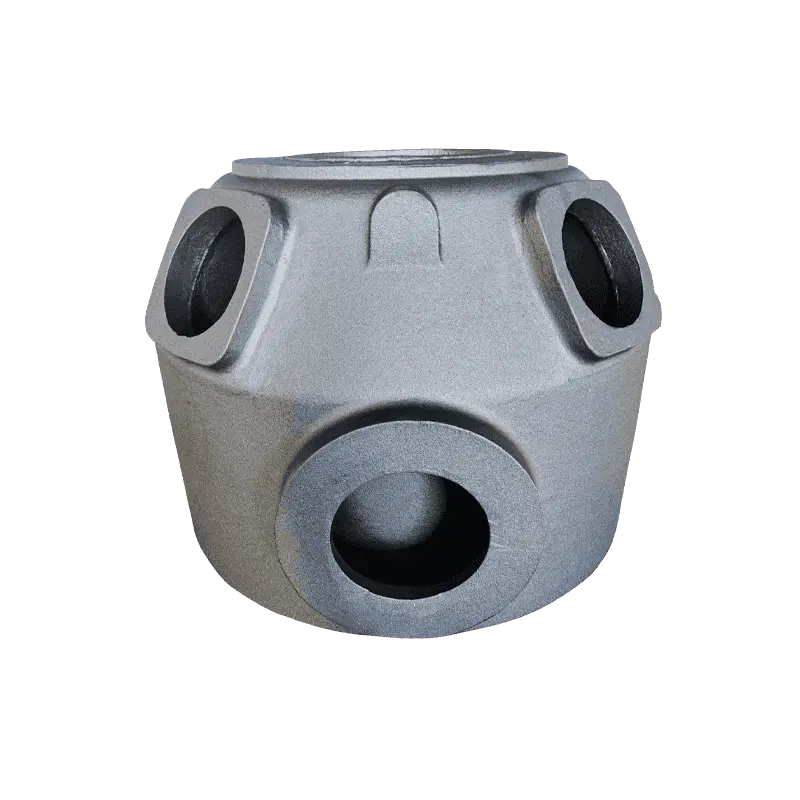 Custom Casting Compressor cylinder Manufacturers, Factory - Haian Aoyu MachineryHaian Aoyu Machinery Manufacturing Co., Ltd is China casting Compressor cylinder Manufacturers and casting Compressor cylinder Factory, w...View Product →
There is also a quieter but important machine tool application. D-5S, with its low coefficient of thermal expansion, is specified for precision machine components and inspection tooling. When the workshop temperature shifts during a long machining pass, a D-5S casting holds its dimensions instead of growing with temperature.
What to Check Before You Order
Anyone sourcing ductile iron castings for a project that might end up under ASTM A439 should confirm five things before signing a purchase order: which A439 grades the foundry has poured in the last twelve months; whether they can supply heat-specific chemistry and tensile certificates; how they verify nodularity and how often; whether they machine high-alloy grades in-house; and whether the stress-relief heat treatment is done in-house or subcontracted.
The answers separate a foundry that genuinely works with nickel-rich alloys from one that will treat your A439 order as a special favor. The standard itself provides the acceptance criteria; it cannot provide the process know-how. That comes from the shop floor.
ASTM A439 is the specification that connects ordinary ductile iron to the high-alloy grades that solve heat, corrosion, wear, and low-temperature problems. Specify the right grade, verify the chemistry and mechanical test results, and work with a foundry that has real experience with austenitic melt processing. Do that, and A439 castings will deliver long service life in environments where standard iron fails quickly.