


 EN
EN  English
 Español
 русский
 Deutsch
-
Structural Rigidity and Vibration Control
Compressor Castings form the primary structural framework of a compressor, serving as the mounting base for critical components such as rotors, pistons, valves, and bearings. Their rigidity plays a crucial role in absorbing and managing mechanical vibrations generated during operation. During each compression cycle, rotating and reciprocating components produce dynamic forces that can propagate through the assembly, leading to vibration, noise, and potential structural fatigue. A properly designed casting, with carefully engineered thickness, ribbing, and reinforcement, distributes these forces evenly and minimizes resonant vibrations. By controlling natural resonance frequencies, the casting prevents amplification of vibrational energy, maintaining operational stability and protecting delicate internal components from premature wear. In industrial or high-speed compressors, such as those used in air compression, refrigeration, or automotive turbochargers, this structural rigidity is essential to ensure smooth operation over extended periods. -
Material Damping Properties
The choice of material for Compressor Castings directly influences their ability to absorb vibrational energy. Cast iron, for example, is widely used because of its high inherent damping capacity, which allows it to dissipate mechanical oscillations effectively. Aluminum alloys, while lighter, can be engineered with thicker sections, integrated ribbing, or hybrid material combinations to achieve comparable damping performance. Some high-performance steel castings are treated or alloyed to enhance fatigue resistance while maintaining adequate vibration absorption. By carefully selecting and engineering the casting material, designers can optimize the trade-off between weight, structural strength, and noise dampening performance. This ensures that vibrations generated during high-speed rotation, high-pressure operation, or transient load conditions are absorbed rather than transmitted to the surrounding structure or operator environment. -
Noise Reduction Through Mass and Geometry
Compressor Castings contribute to noise reduction not only through material damping but also through their mass and geometric design. Heavier castings act as acoustic barriers, absorbing sound energy and reducing noise transmission to the surrounding environment. Additionally, complex casting geometries—such as strategically placed ribs, stiffeners, internal cavities, or corrugated surfaces—can disrupt and dissipate sound waves, preventing the formation of resonant tones or amplification of specific frequencies. In reciprocating compressors, for example, pulsating air or gas flow can generate tonal noise; a casting designed with vibration-damping geometry helps neutralize these oscillations before they propagate. Proper design also ensures uniform stiffness across the housing, minimizing localized resonance that can lead to “hot spots” of noise or structural vibration. -
Integration with Vibration Isolation Systems
Compressor Castings are not standalone solutions for vibration and noise control—they function in conjunction with ancillary vibration damping elements, such as elastomeric mounts, rubber gaskets, shock absorbers, or vibration isolators. The casting provides the rigid foundation required for these elements to operate effectively. Properly designed interface points ensure that vibrational energy is transferred to isolation elements rather than being transmitted through the compressor frame to floors, piping, or adjacent equipment. This integration allows for effective attenuation of both high-frequency vibrations from rotating components and low-frequency vibrations from reciprocating motion, resulting in quieter operation and reduced mechanical stress throughout the assembly. -
Thermal and Operational Considerations
During high-pressure or high-speed operation, compressor components generate heat that can induce thermal expansion, potentially altering vibration dynamics. Well-designed castings account for thermal stability by using materials and geometries that minimize distortion under operational temperatures. Uniform wall thicknesses, strategic rib placement, and thermal treatments help maintain dimensional stability, preventing resonance frequency shifts that could increase vibration or noise. This ensures consistent vibration absorption and acoustic performance throughout the operational temperature range, particularly in demanding applications such as industrial refrigeration, air separation, or heavy-duty compressed air systems.
Haian Aoyu Machinery Manufacturing Co., Ltd.

Haian Aoyu Machinery Manufacturing Co., Ltd.
What role do Compressor Castings play in noise dampening and vibration absorption within the compressor assembly?
Popular Recommendations
-
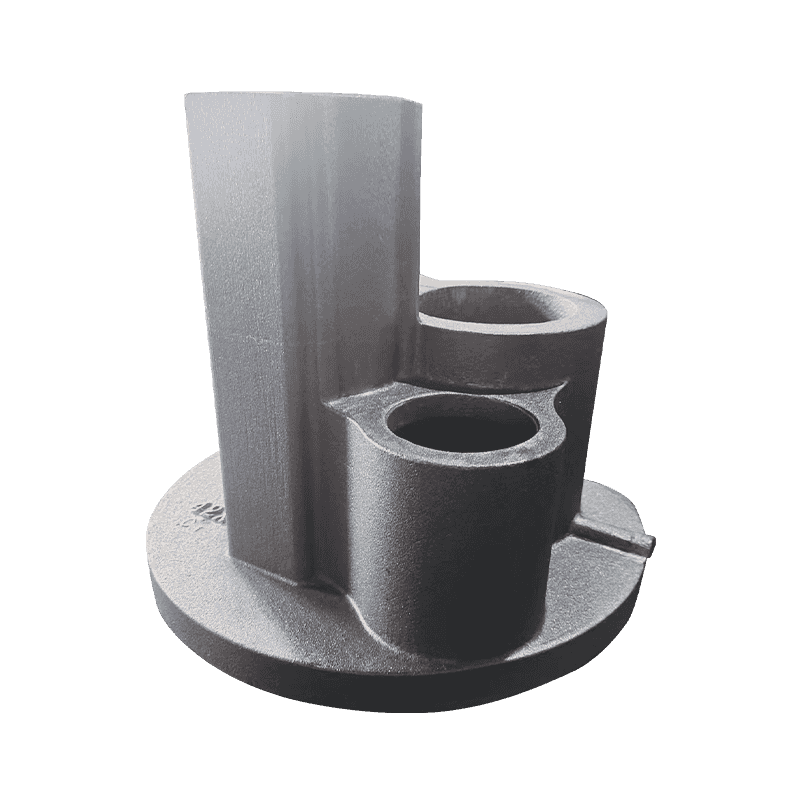
Compressor bearing seat
1. Good vibration damping and vibration absorption... -
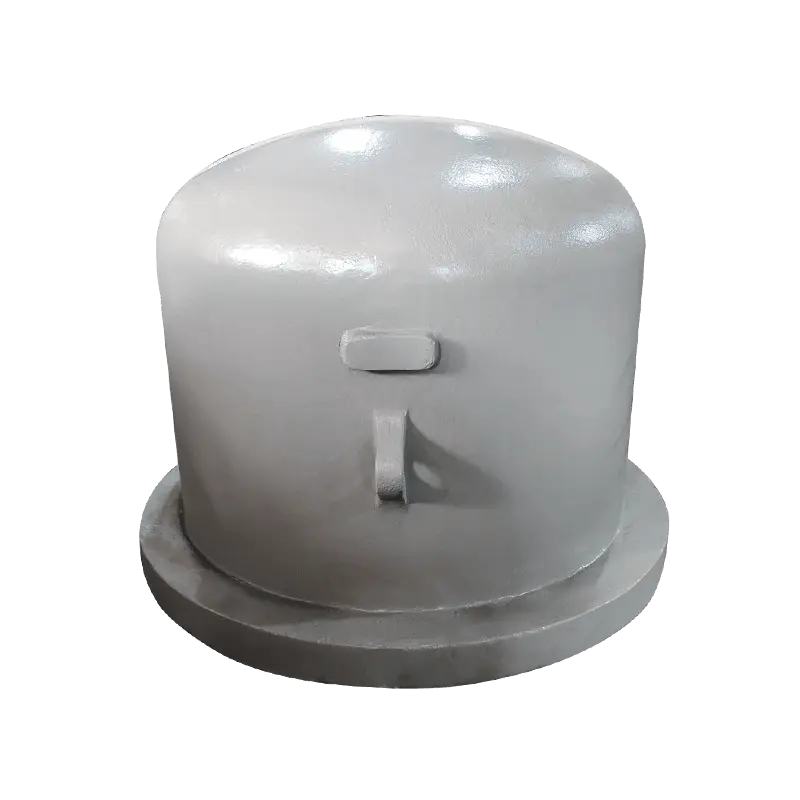
Compressor short oil barrel
1. Better strength and high toughness give casting... -
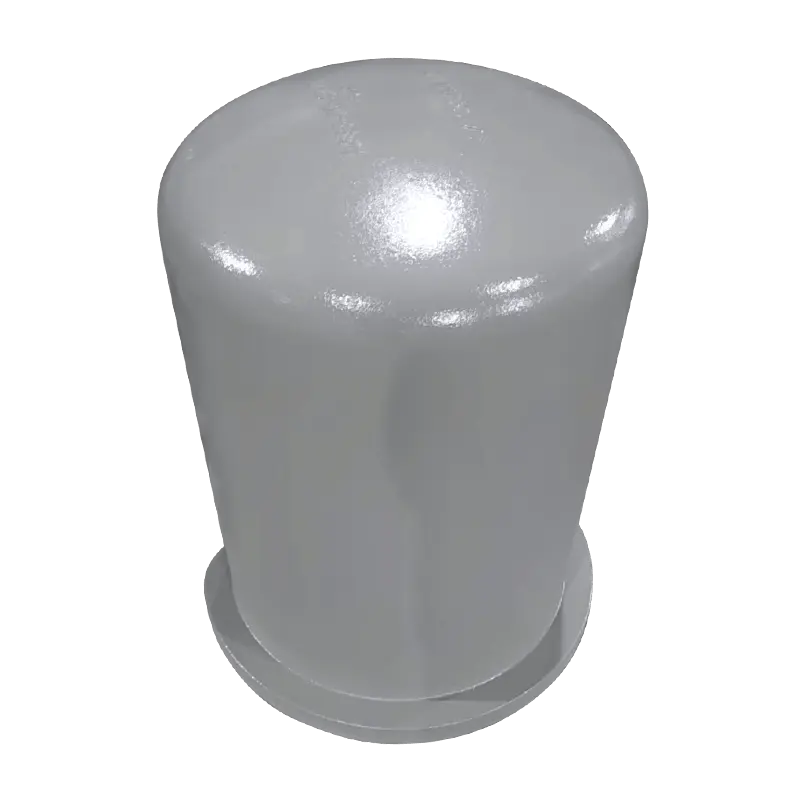
Compressor oil bucket
1. Better strength and high toughness give casting... -
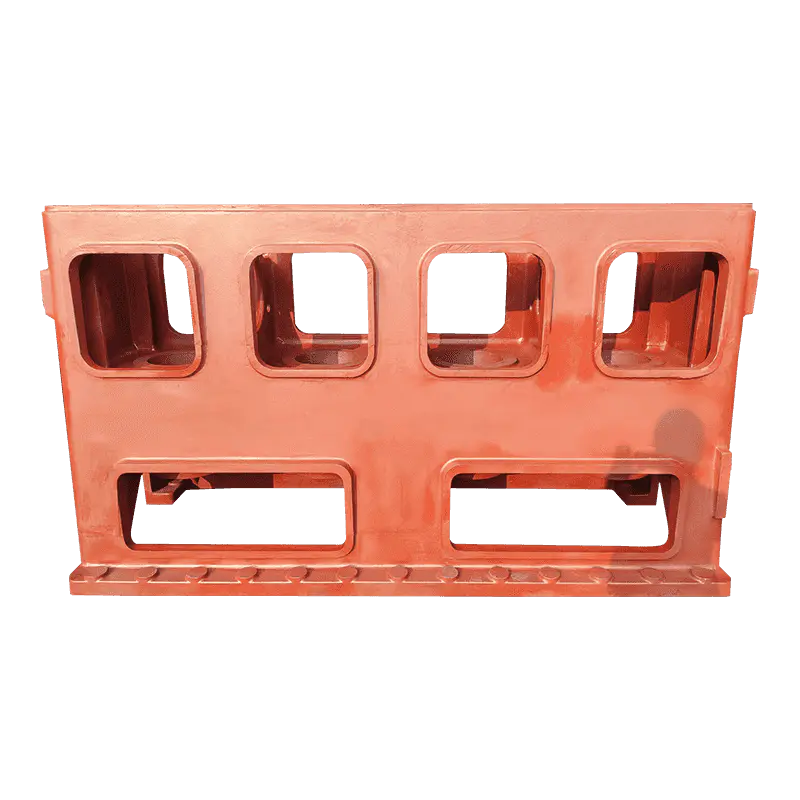
Compressor body
1. Good vibration damping and vibration absorption... -
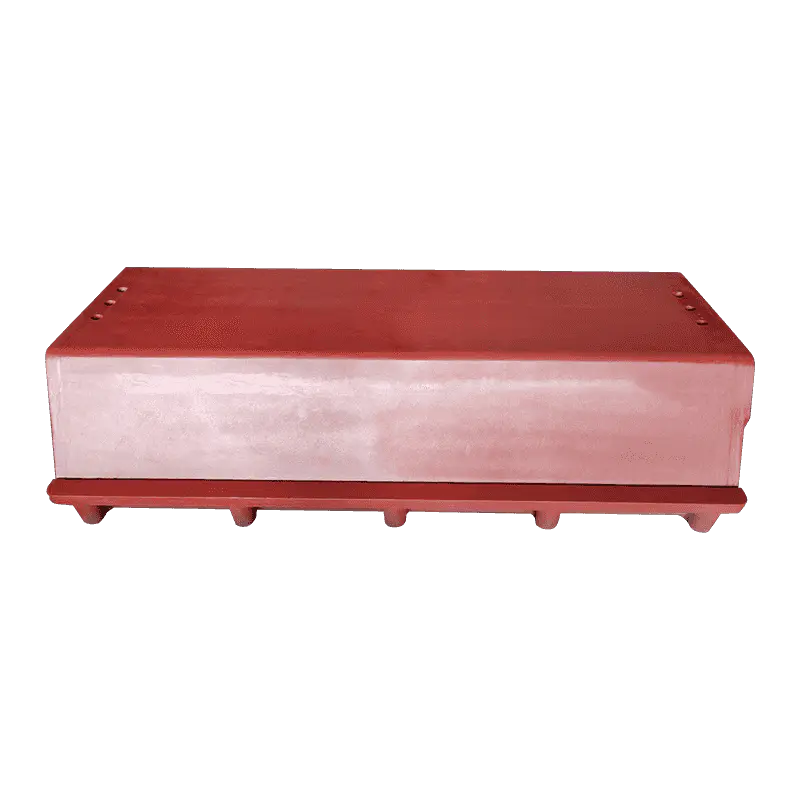
Compressor crankcase
1. Good vibration damping and vibration absorption... -
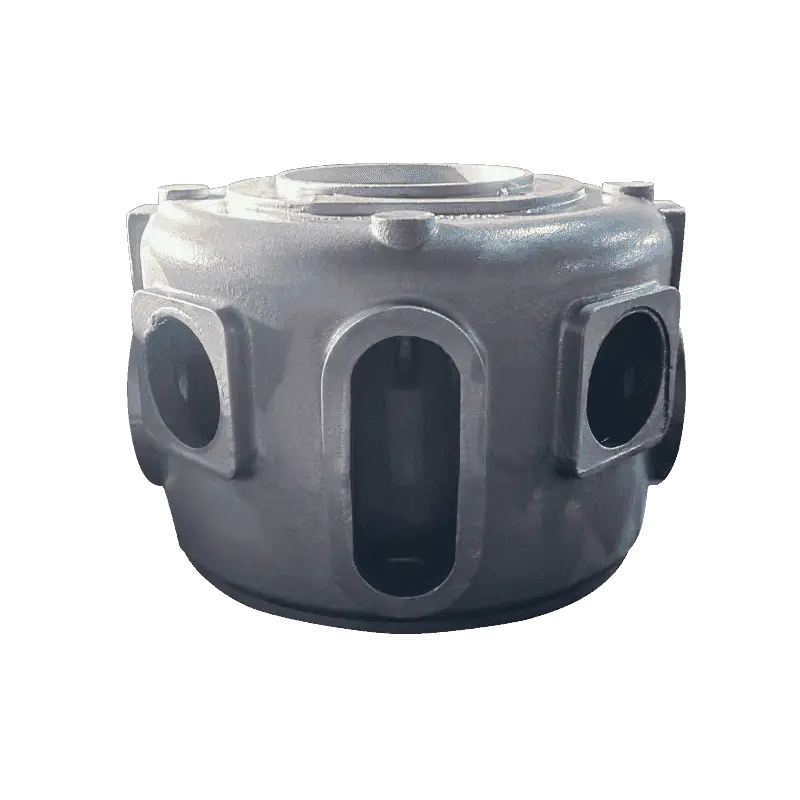
Compressor coated sand cylinder
1. Good vibration damping and vibration absorption... -
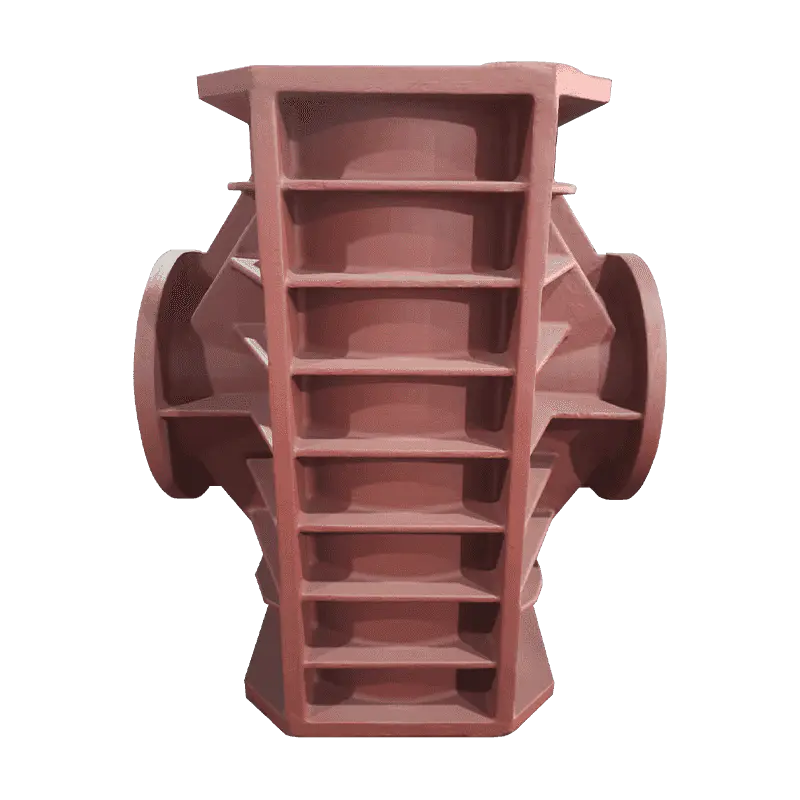
Compressor heritage resin sand cylinder
1. Castings have high strength and certain ductili... -
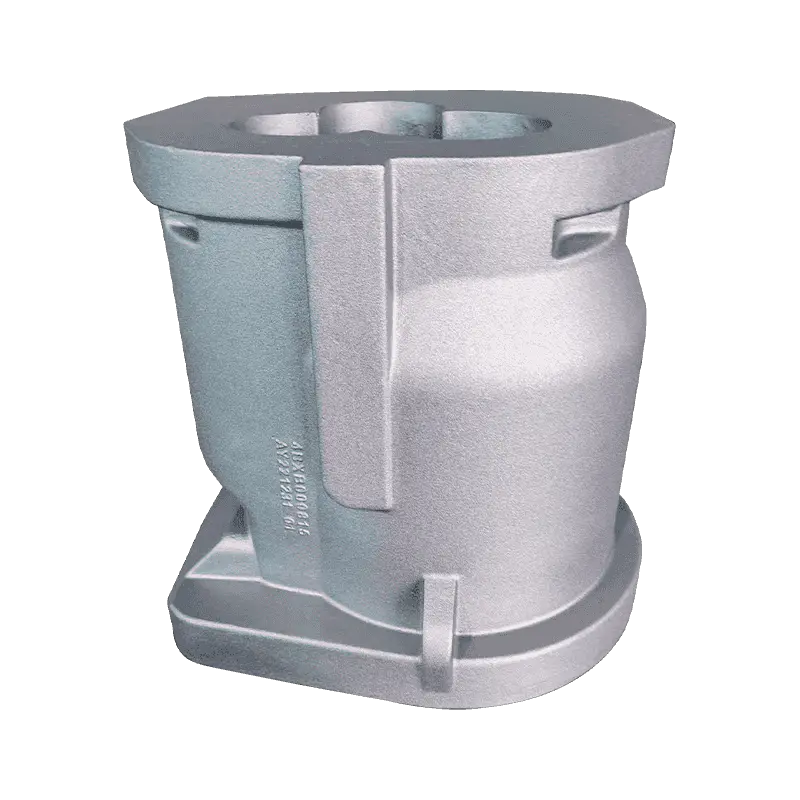
Compressor rotor seat
1. Good vibration damping and vibration absorption... -
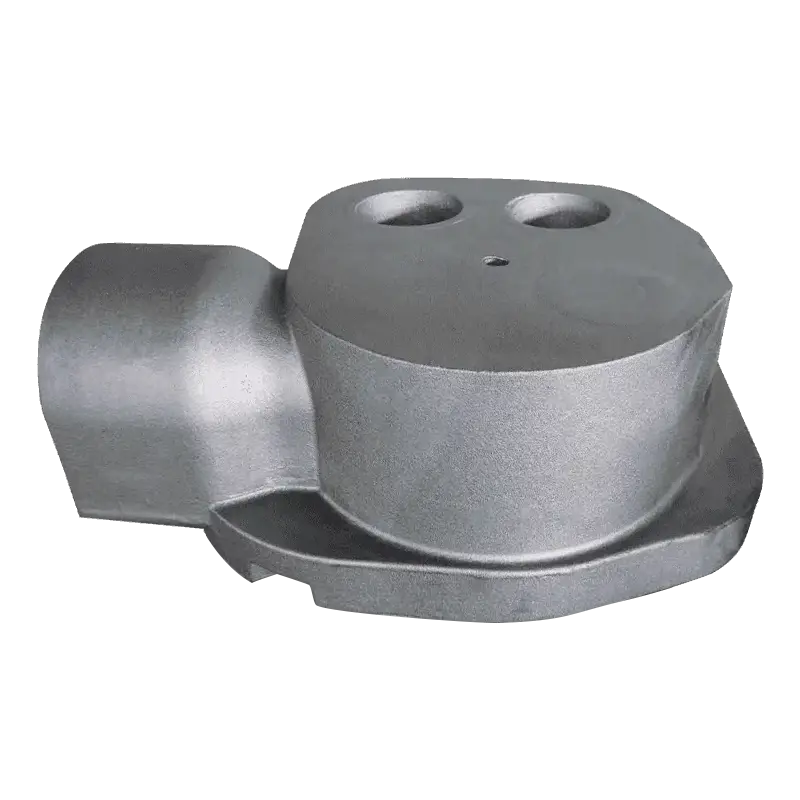
Compressor exhaust seat
1. Good vibration damping and vibration absorption... -
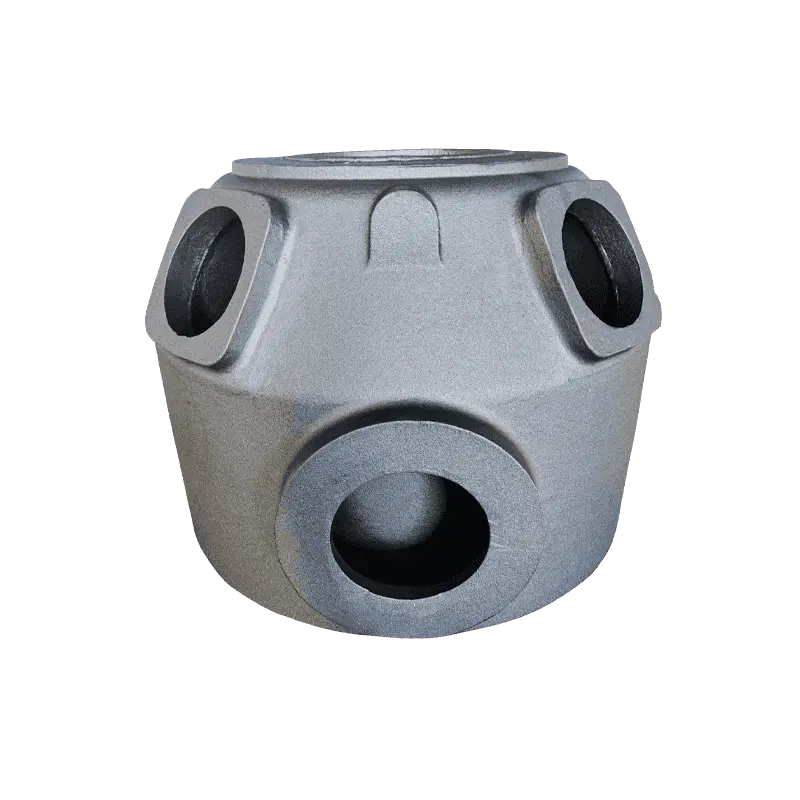
Compressor cylinder
1. Good vibration damping and vibration absorption... -
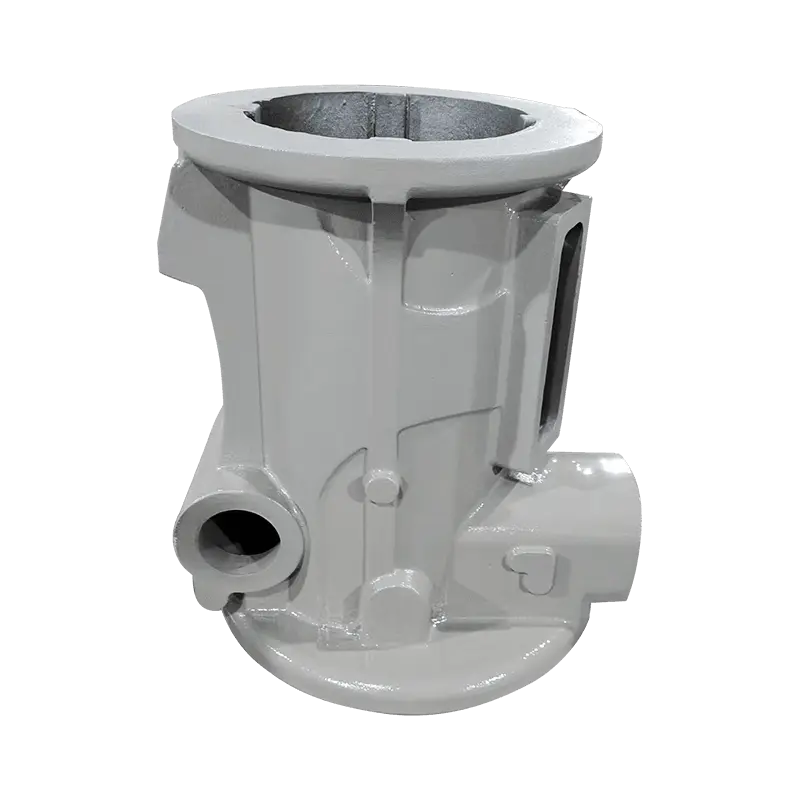
Series compressor casing
1. Good vibration damping and vibration absorption... -
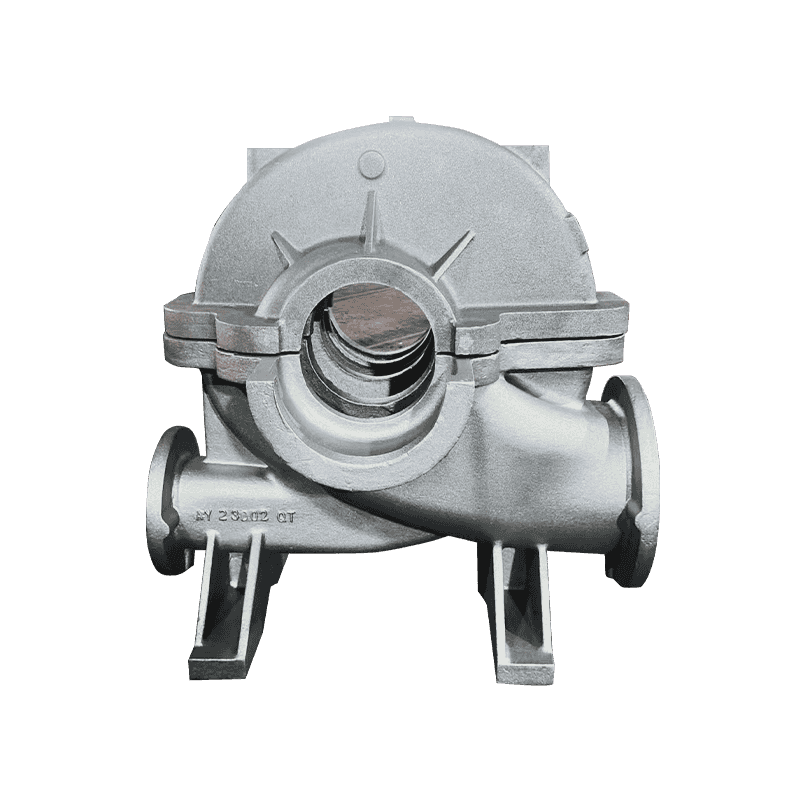
Double pump, pump cover
1. Good vibration damping and vibration absorption...

Add: No.188 Xingnan Road, Nanmo Town, Hai'an City, Nantong City, Jiangsu Province China.
Tel: +86-0513-88895668
E-mail: [email protected]
quick links
