


 EN
EN  English
 Español
 русский
 Deutsch
-
Raw material sourcing and resource efficiency: The production of Ductile Iron Parts relies on primary iron ore, recycled ferrous scrap, and alloying elements such as magnesium, silicon, and carbon. Responsible sourcing of these materials is a key sustainability consideration, as mining and refining virgin iron ore generate significant environmental impacts, including habitat disruption, energy consumption, and greenhouse gas emissions. Utilizing high percentages of recycled steel and iron scrap reduces the need for primary ore extraction, conserving natural resources and decreasing energy demand. Optimizing material utilization during casting and machining minimizes waste generation. Advanced process control, including precise alloy addition and controlled melt chemistry, ensures minimal excess usage of costly and environmentally sensitive materials. Efficient raw material management not only reduces environmental footprint but also lowers production costs, improving both ecological and economic sustainability.
-
Energy consumption in melting and casting operations: Manufacturing Ductile Iron Parts involves high-temperature melting in furnaces, followed by casting into molds—a process inherently energy-intensive. Traditional cupola furnaces require significant fossil fuel input, contributing to CO₂ emissions. More energy-efficient alternatives, such as induction or electric arc furnaces, allow better control of energy input and reduce greenhouse gas output. Energy optimization strategies include preheating charge materials, recovering heat from exhaust gases, staging furnace operations to minimize idle time, and maintaining consistent melt chemistry to prevent rework. Incorporating renewable energy sources, such as solar or grid-supplied green electricity, for furnace operation further reduces the carbon footprint. Careful energy management ensures that Ductile Iron Parts production aligns with sustainability goals while maintaining high-quality metallurgical properties.
-
Emission control and pollution management: Foundry operations for Ductile Iron Parts produce airborne particulates, metal fumes, and potentially harmful gases like NOx, CO₂, and volatile organic compounds (VOCs). Without proper control, these emissions can degrade air quality and affect human health. Modern facilities integrate filtration systems, wet or dry scrubbers, and electrostatic precipitators to capture particulates and neutralize hazardous gases before release. Solid byproducts such as slag, sand, and spent refractory material are also managed carefully through recycling, reuse, or safe disposal to prevent soil and water contamination. Closed-loop systems for molding sand reclamation reduce waste and limit environmental exposure. These measures ensure that Ductile Iron Parts production meets regulatory standards and mitigates environmental impacts while supporting long-term sustainability objectives.
-
Water usage and wastewater management: Water is essential in Ductile Iron Parts production for cooling molds, quenching, and temperature regulation. However, untreated discharge of process water can introduce thermal pollution, heavy metals, or chemical residues into local water systems. Recycling water through closed-loop cooling circuits minimizes freshwater consumption and reduces environmental impact. Water treatment technologies, including filtration, sedimentation, and chemical neutralization, ensure that effluents meet environmental regulations. Implementing water-efficient strategies, such as targeted cooling, reduced flow rates, and optimized quenching cycles, further conserves water resources while maintaining product quality. Effective water management is therefore crucial for balancing operational performance with environmental stewardship.
-
Recycling and end-of-life considerations: One of the most significant sustainability advantages of Ductile Iron Parts is their high recyclability. At the end of their service life, components can be collected, melted down, and reintroduced as scrap in new production cycles. This reduces dependence on primary iron ore extraction, lowers energy consumption compared to producing virgin iron, and decreases CO₂ emissions associated with raw material processing. Establishing efficient collection, sorting, and remelting systems ensures that the maximum portion of ductile iron is recovered, creating a closed-loop lifecycle. Recycled iron maintains high metallurgical quality, making it a viable and sustainable input for new Ductile Iron Parts production while supporting circular economy principles.
-
Sustainability in alloying and chemical additives: Alloying elements such as magnesium (for nodular graphite formation), silicon, and copper influence the mechanical properties of Ductile Iron Parts. However, improper handling or overuse of these elements can create environmental and safety risks, including toxic slag formation or chemical runoff. Precise dosing, efficient delivery methods, and monitoring of alloy additions minimize material waste and reduce ecological impact. Responsible handling of fluxes, refractory materials, and other chemical additives prevents soil and water contamination and enhances operational sustainability. Advanced process controls ensure that the metallurgical properties of Ductile Iron Parts are achieved with minimal environmental cost.
-
Lifecycle assessment and design for sustainability: Evaluating the entire lifecycle of Ductile Iron Parts—from raw material extraction to end-of-life recycling—is essential for sustainable production. Lifecycle assessment (LCA) quantifies energy consumption, emissions, water use, and waste generation, providing a data-driven basis for decision-making. Design considerations, such as optimizing part geometry for material efficiency, extending service life through corrosion-resistant alloys, and reducing maintenance requirements, significantly lower overall environmental impact. Longer-lasting components reduce replacement frequency, minimize scrap generation, and decrease energy and resource consumption over time, reinforcing the sustainability of the manufacturing system.
Haian Aoyu Machinery Manufacturing Co., Ltd.

Haian Aoyu Machinery Manufacturing Co., Ltd.
What are the environmental and sustainability considerations when producing or recycling Ductile Iron Parts?
Popular Recommendations
-
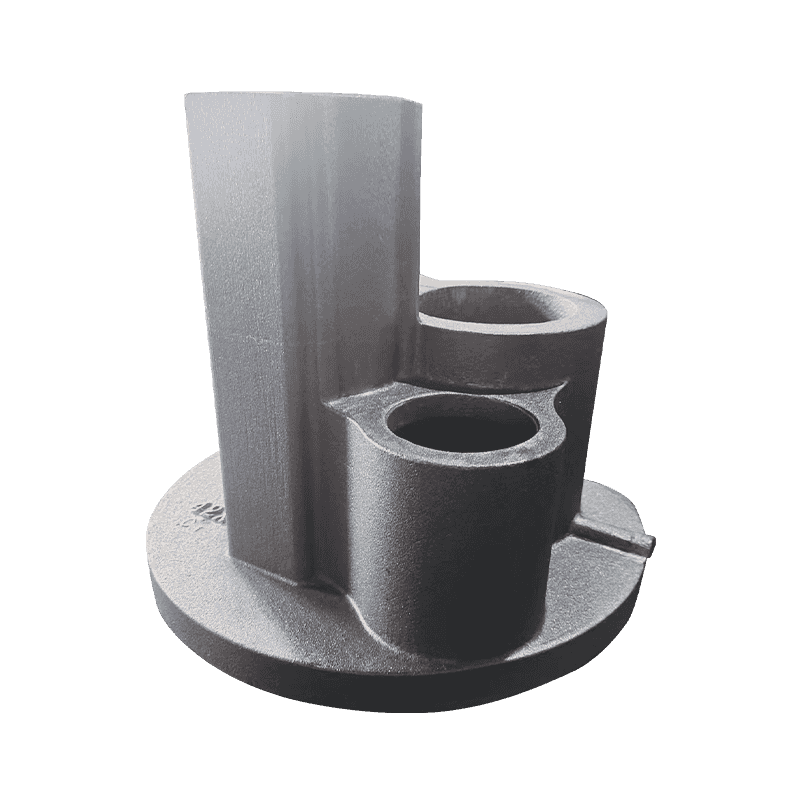
Compressor bearing seat
1. Good vibration damping and vibration absorption... -
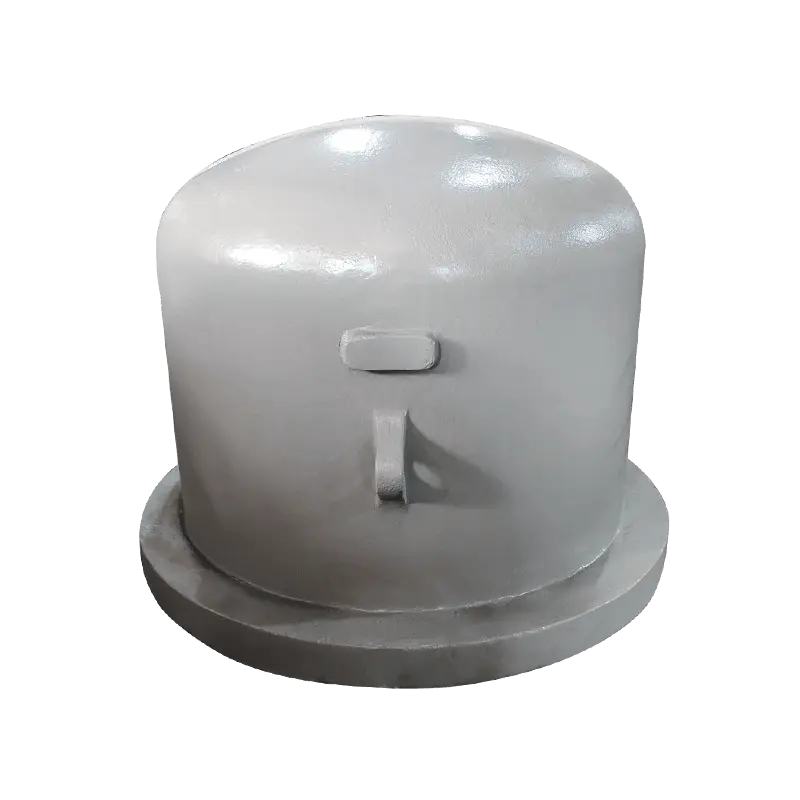
Compressor short oil barrel
1. Better strength and high toughness give casting... -
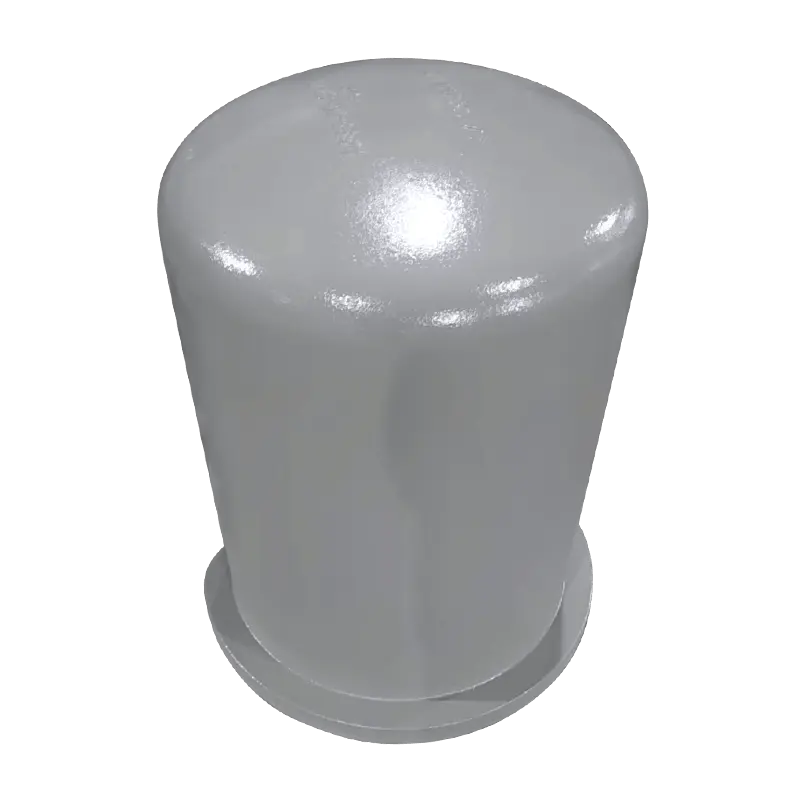
Compressor oil bucket
1. Better strength and high toughness give casting... -
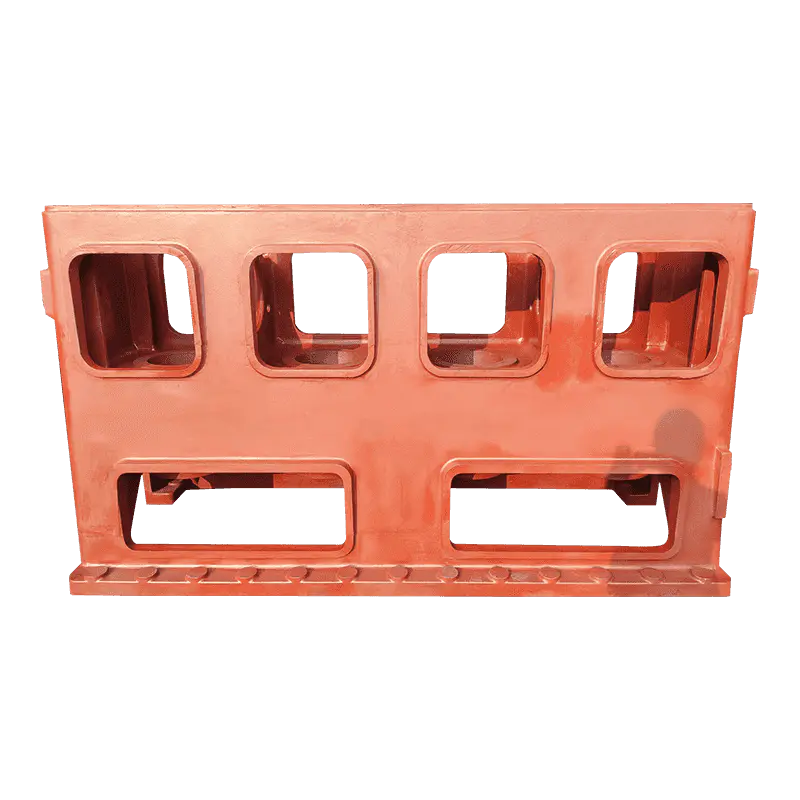
Compressor body
1. Good vibration damping and vibration absorption... -
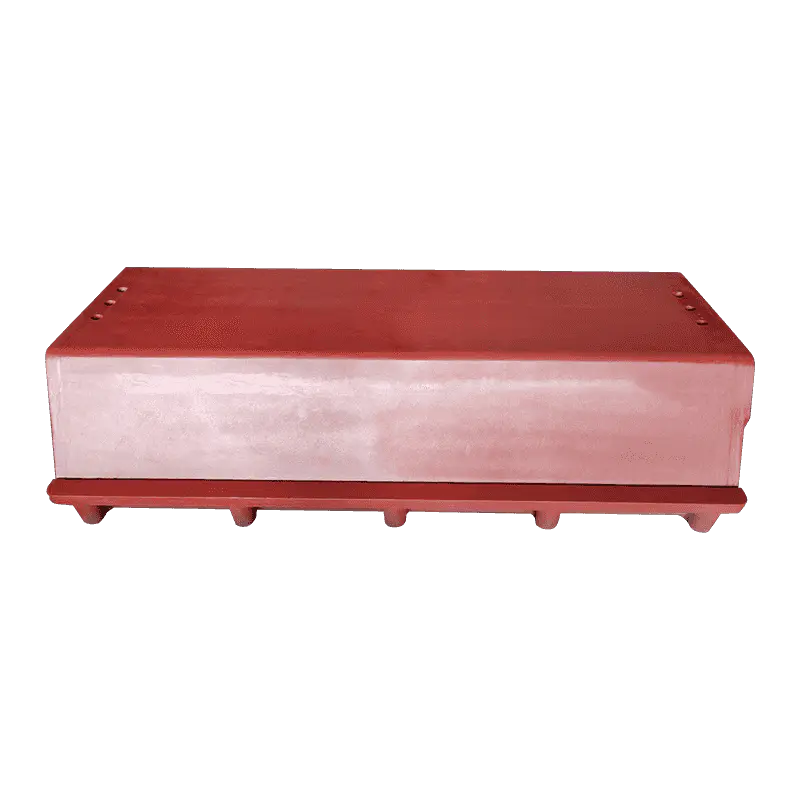
Compressor crankcase
1. Good vibration damping and vibration absorption... -
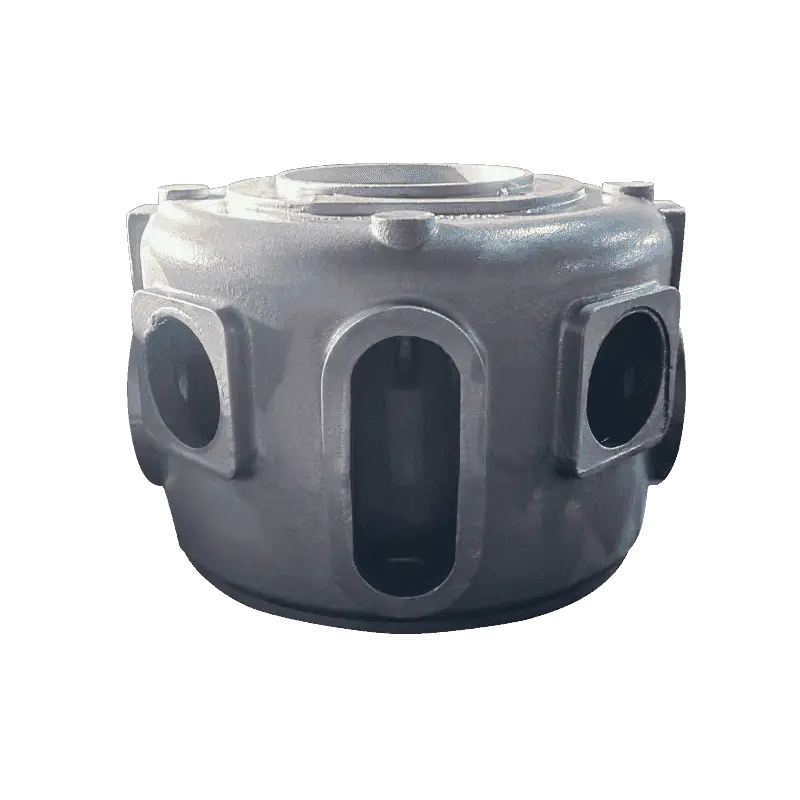
Compressor coated sand cylinder
1. Good vibration damping and vibration absorption... -
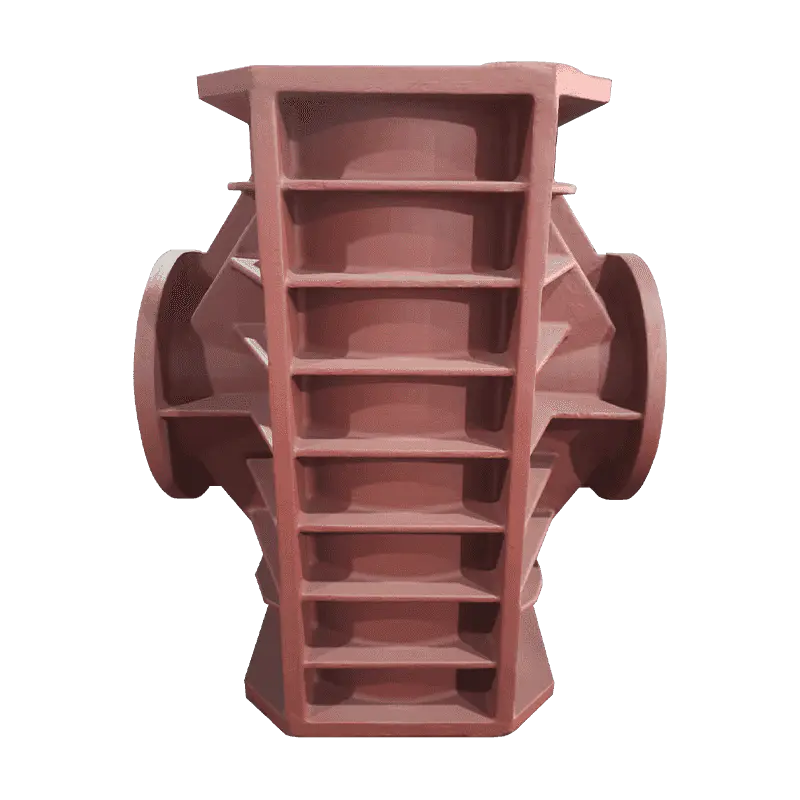
Compressor heritage resin sand cylinder
1. Castings have high strength and certain ductili... -
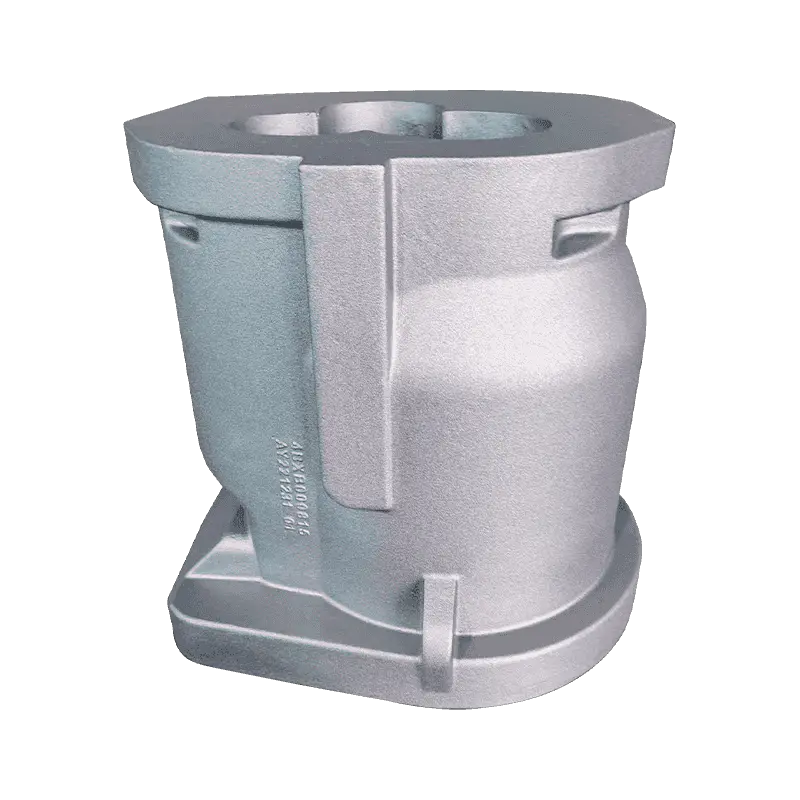
Compressor rotor seat
1. Good vibration damping and vibration absorption... -
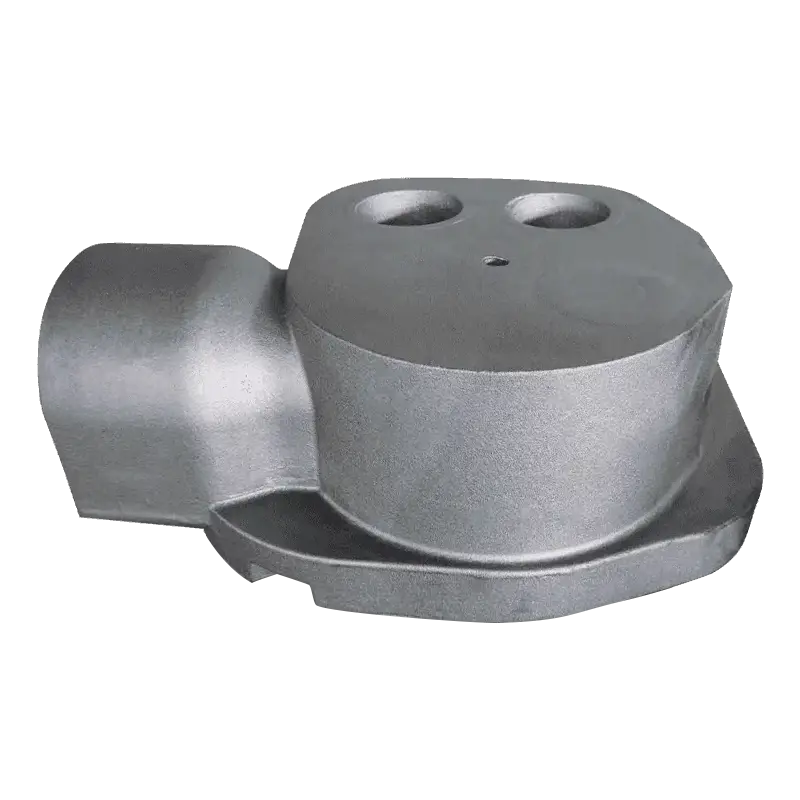
Compressor exhaust seat
1. Good vibration damping and vibration absorption... -
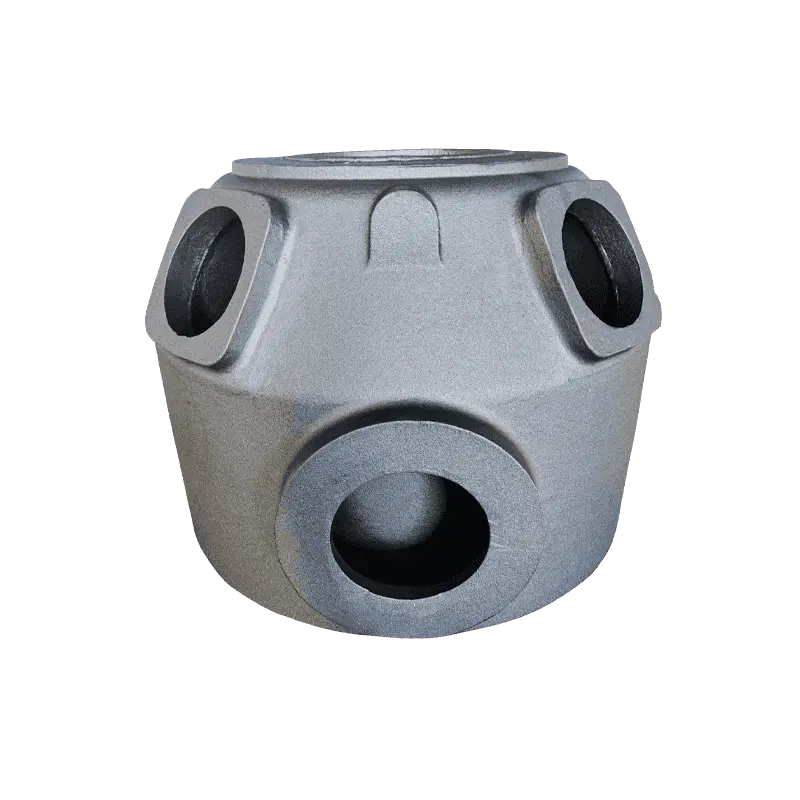
Compressor cylinder
1. Good vibration damping and vibration absorption... -
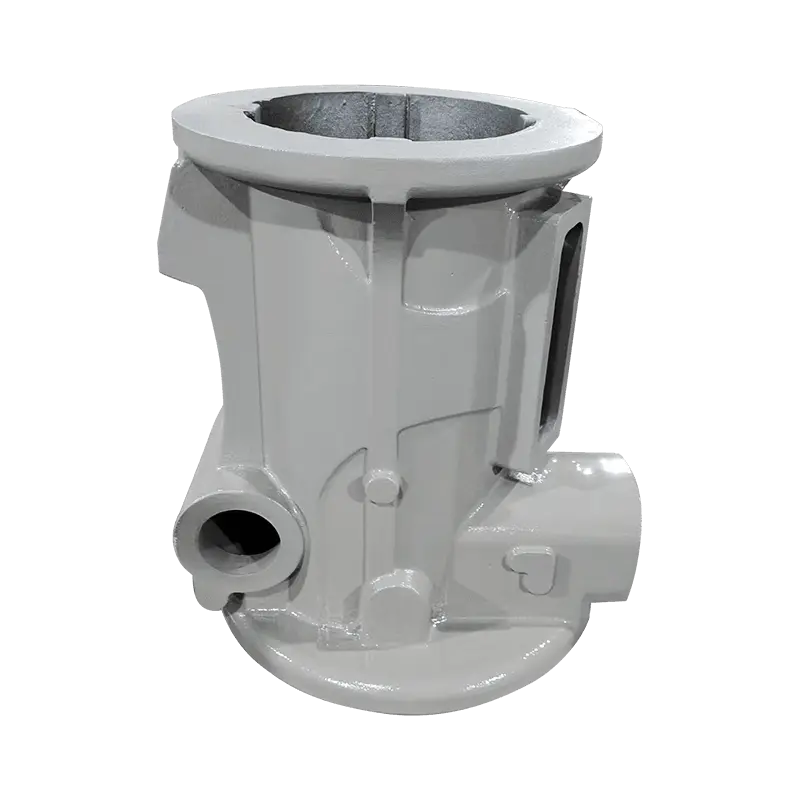
Series compressor casing
1. Good vibration damping and vibration absorption... -
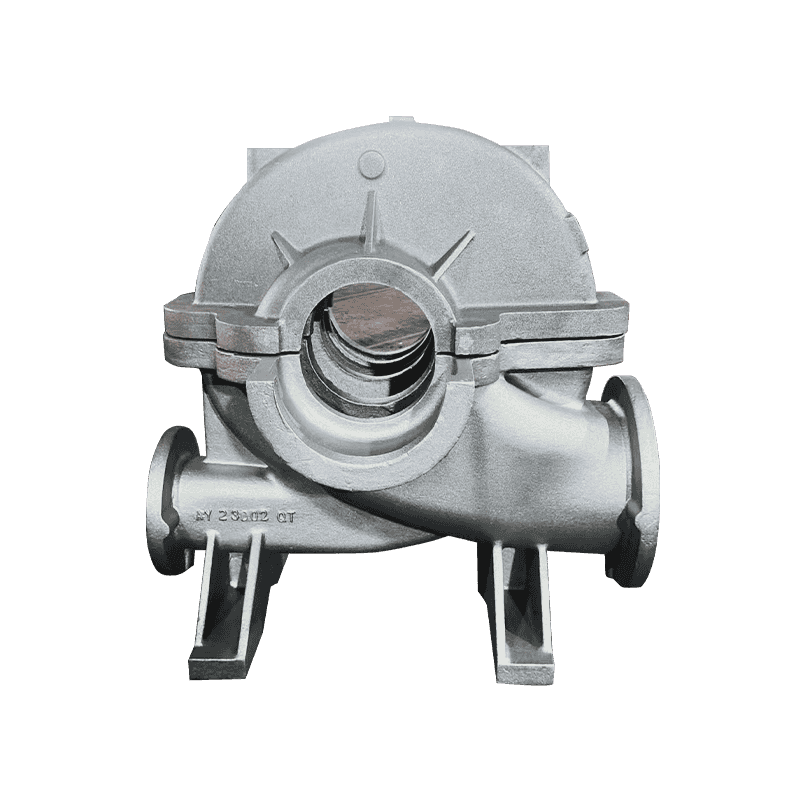
Double pump, pump cover
1. Good vibration damping and vibration absorption...

Add: No.188 Xingnan Road, Nanmo Town, Hai'an City, Nantong City, Jiangsu Province China.
Tel: +86-0513-88895668
E-mail: [email protected]
quick links
