


 EN
EN  English
 Español
 русский
 Deutsch
-
Graphite Nodule Shape and Distribution: The hallmark of ductile iron microstructure is the presence of spherical graphite nodules within the metallic matrix, which differentiates it from gray cast iron with flake graphite. The shape, size, and uniformity of these nodules significantly affect the material’s mechanical properties. Spherical nodules act as stress-relief points, dissipating stress concentrations and impeding crack initiation and propagation under mechanical loads. When nodules are small, evenly distributed, and highly spherical, the part exhibits enhanced toughness and ductility because the load is distributed more uniformly throughout the matrix. In contrast, irregular, elongated, or clustered graphite formations act as stress concentrators, which can initiate cracks under tensile or impact loading, reducing both fracture resistance and fatigue life. Proper inoculation during casting ensures the formation of a high nodule count with uniform distribution, optimizing both mechanical performance and reliability for demanding applications.
-
Matrix Composition and Phase Structure: The matrix surrounding the graphite nodules—ferrite, pearlite, or a combination—plays a critical role in determining the balance of toughness, ductility, and machinability. A ferritic matrix provides high ductility and better energy absorption due to its softer, more plastic nature, which also improves machinability because cutting forces are lower and tool wear is reduced. A pearlitic-rich matrix increases hardness, tensile strength, and wear resistance but compromises ductility and makes machining more challenging due to higher cutting forces and reduced chip breakage. By carefully controlling the ratio of ferrite to pearlite through alloying elements and heat treatment, manufacturers can tailor the microstructure to meet specific operational requirements, ensuring that ductile iron parts achieve the desired combination of strength, toughness, and machining performance.
-
Nodularity and Nodule Count: Nodularity, defined as the percentage of graphite present in spherical form, along with nodule count per unit volume, directly influences mechanical behavior and machinability. High nodularity with a high nodule count reduces stress concentrations in the matrix and promotes uniform deformation, leading to improved toughness and ductility. It also facilitates smoother chip formation during machining, reducing tool vibration, cutting forces, and surface defects. Low nodularity or coarse graphite nodules, on the other hand, create localized stress risers, increase susceptibility to microcracks, and complicate machining by producing irregular chips that may damage the tool or part surface. Achieving optimal nodularity requires precise control of inoculants, cooling rates, and casting practices, ensuring consistent microstructural quality and reliable mechanical performance.
-
Impact of Graphite-Matrix Interaction: The interface between the graphite nodules and the surrounding matrix is a critical microstructural factor that affects toughness, ductility, and machinability. A well-bonded interface allows stress to be evenly distributed and absorbed by the matrix without initiating cracks, contributing to higher impact resistance and fatigue life. Weak or irregular interfaces, caused by inadequate inoculation, rapid cooling, or impurities, can lead to microvoids or debonding under stress, compromising ductility and causing premature failure during service or machining. Controlling the metallurgical bonding between graphite and matrix is therefore essential for producing ductile iron parts that are mechanically robust, reliable, and capable of withstanding demanding operational conditions without developing defects.
-
Microstructural Control through Heat Treatment: Heat treatment processes such as annealing, normalizing, or austempering are used to refine the matrix structure and optimize the mechanical properties of ductile iron parts. Annealing can increase ferrite content, improving ductility and machinability while slightly reducing hardness. Austempering produces a bainitic matrix, enhancing toughness, wear resistance, and fatigue performance while maintaining adequate ductility. These treatments also help homogenize the microstructure, reduce residual stresses, and control graphite nodule morphology, which collectively improves both service performance and machining behavior. Proper heat treatment ensures that ductile iron parts achieve the desired balance of strength, toughness, and machinability tailored to their intended applications.
Haian Aoyu Machinery Manufacturing Co., Ltd.

Haian Aoyu Machinery Manufacturing Co., Ltd.
How does the microstructure of Ductile Iron Parts affect their toughness, ductility, and machinability?
Popular Recommendations
-
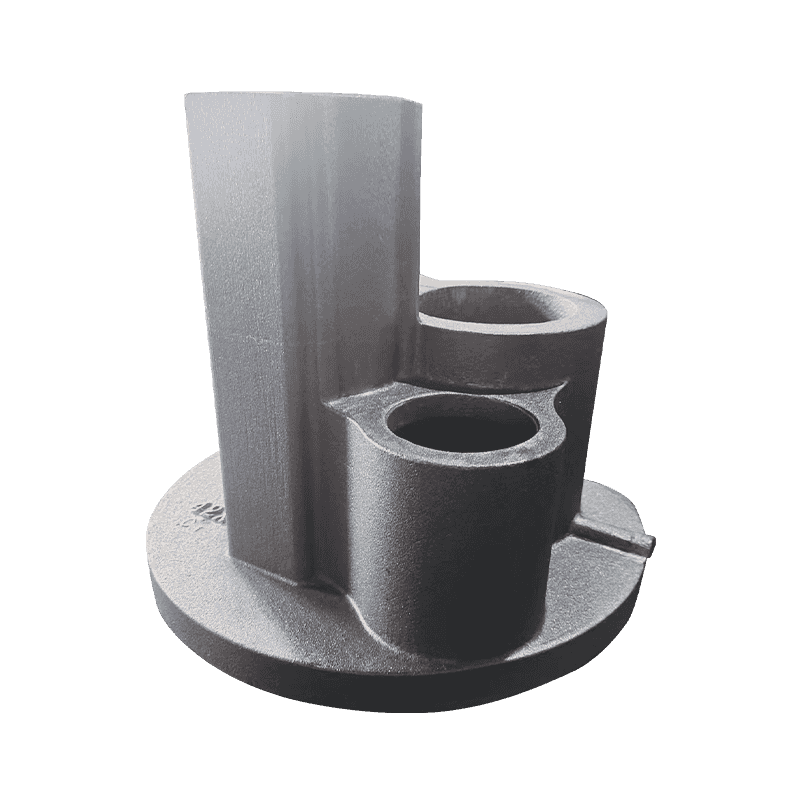
Compressor bearing seat
1. Good vibration damping and vibration absorption... -
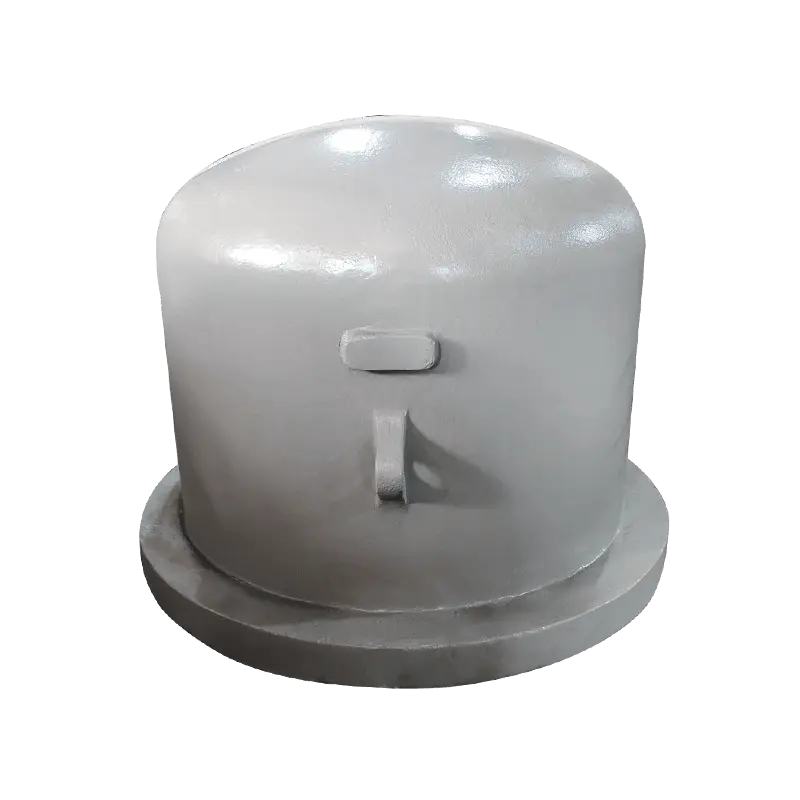
Compressor short oil barrel
1. Better strength and high toughness give casting... -
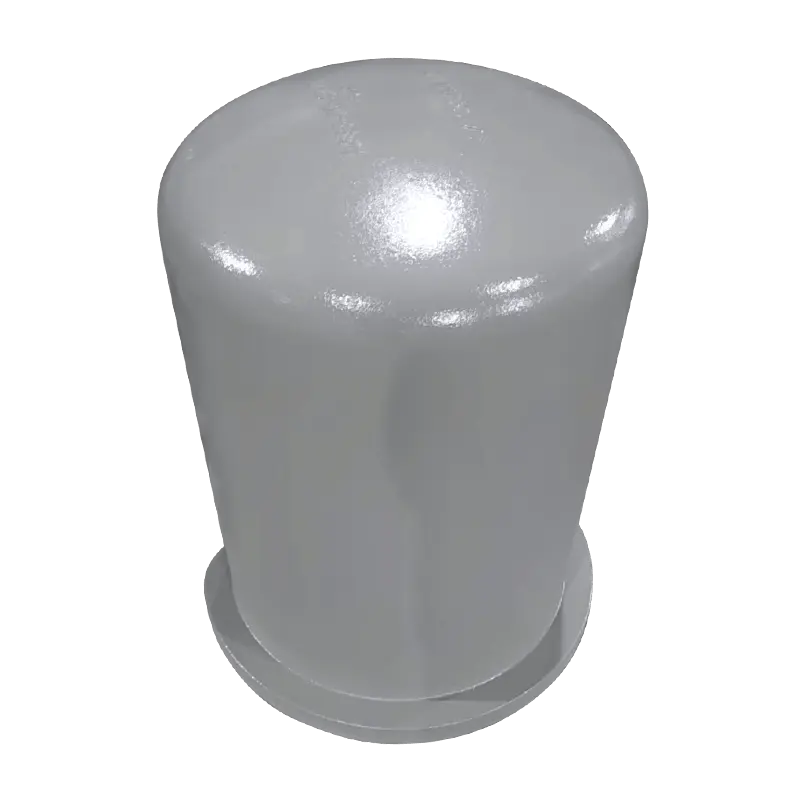
Compressor oil bucket
1. Better strength and high toughness give casting... -
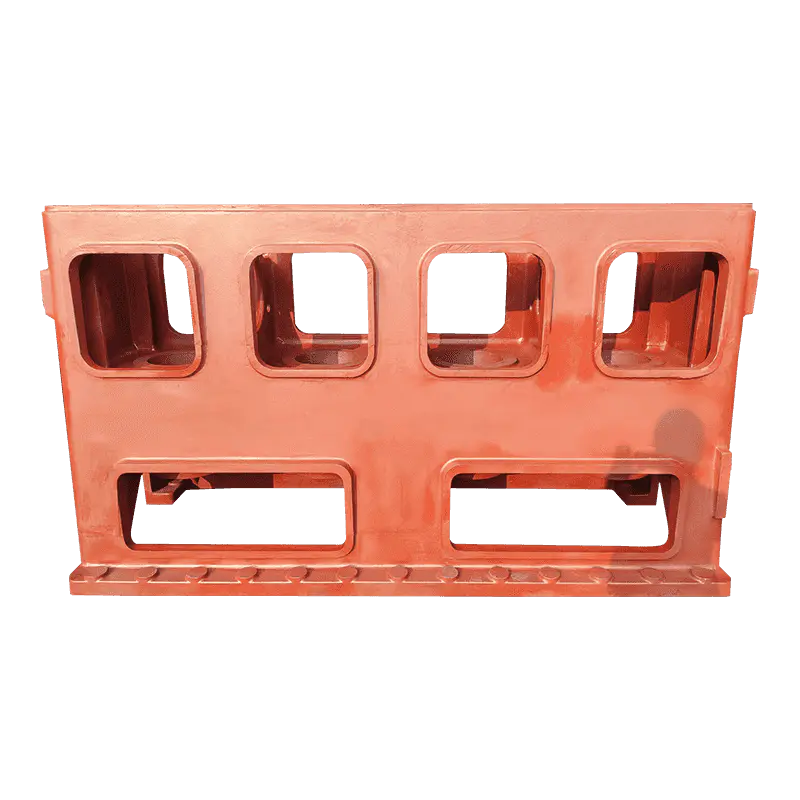
Compressor body
1. Good vibration damping and vibration absorption... -
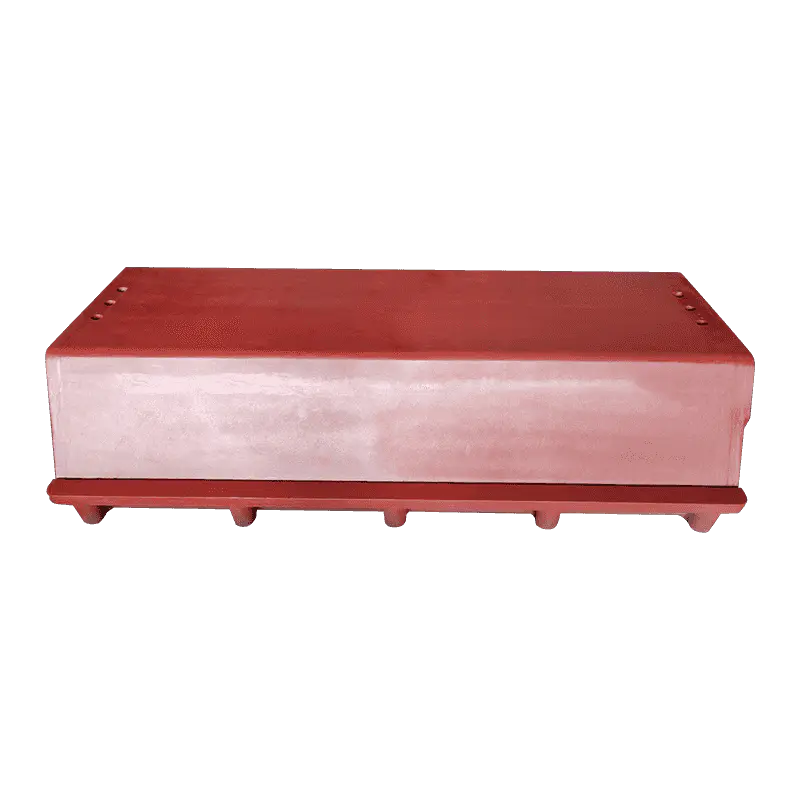
Compressor crankcase
1. Good vibration damping and vibration absorption... -
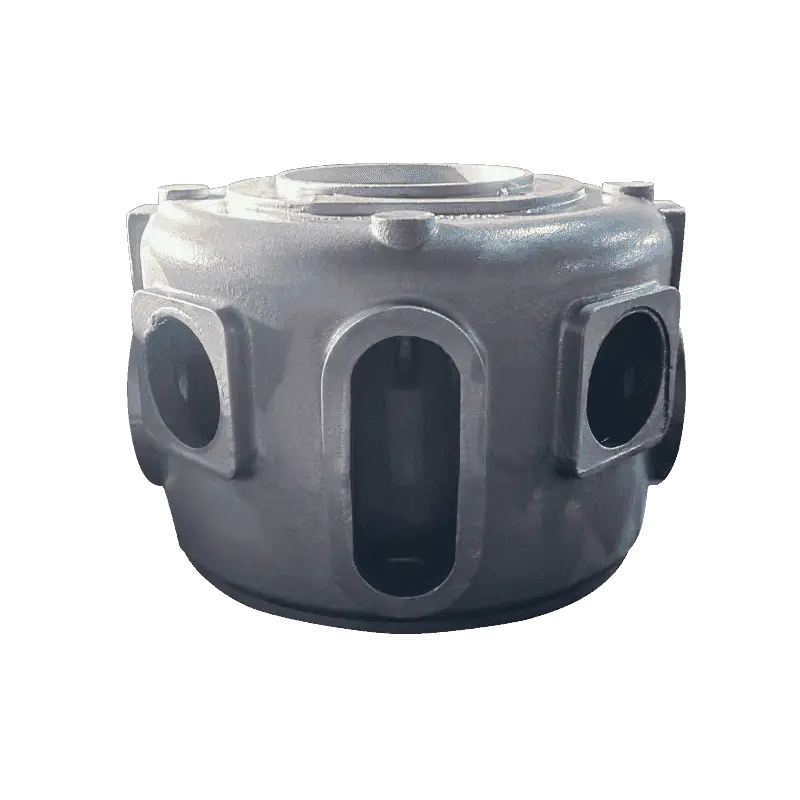
Compressor coated sand cylinder
1. Good vibration damping and vibration absorption... -
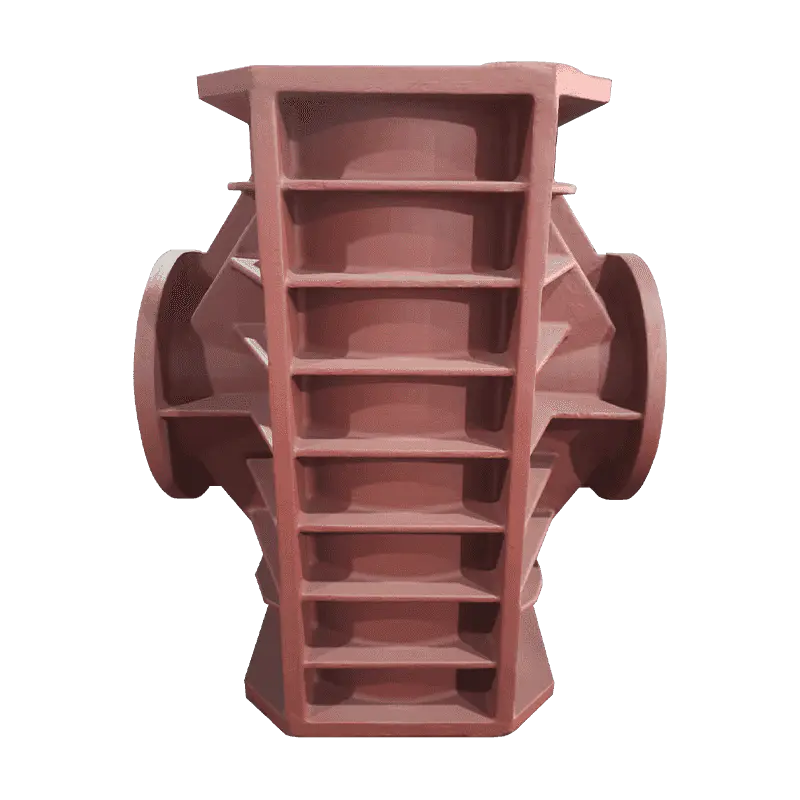
Compressor heritage resin sand cylinder
1. Castings have high strength and certain ductili... -
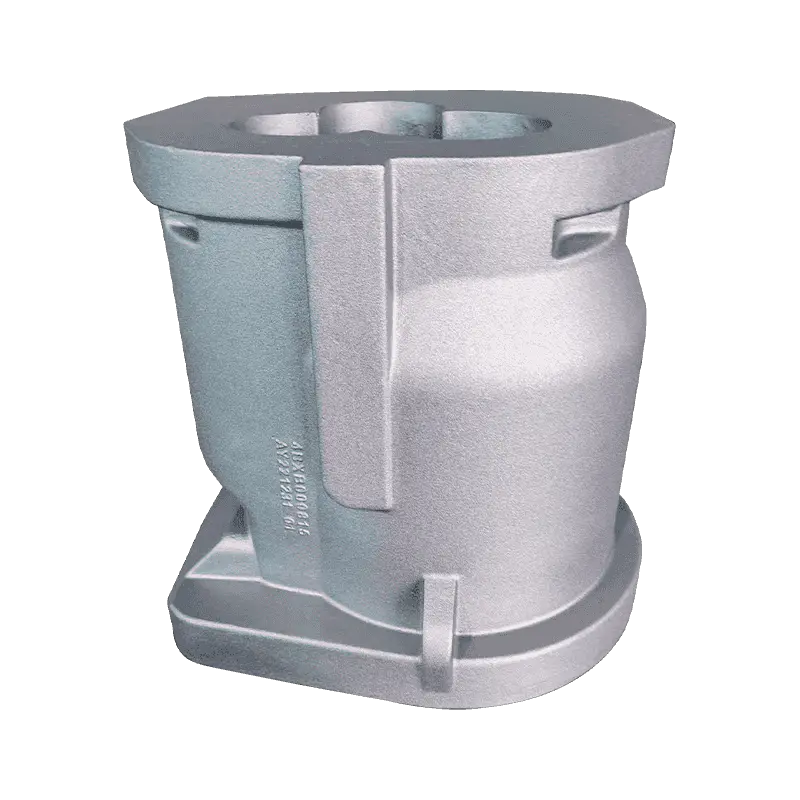
Compressor rotor seat
1. Good vibration damping and vibration absorption... -
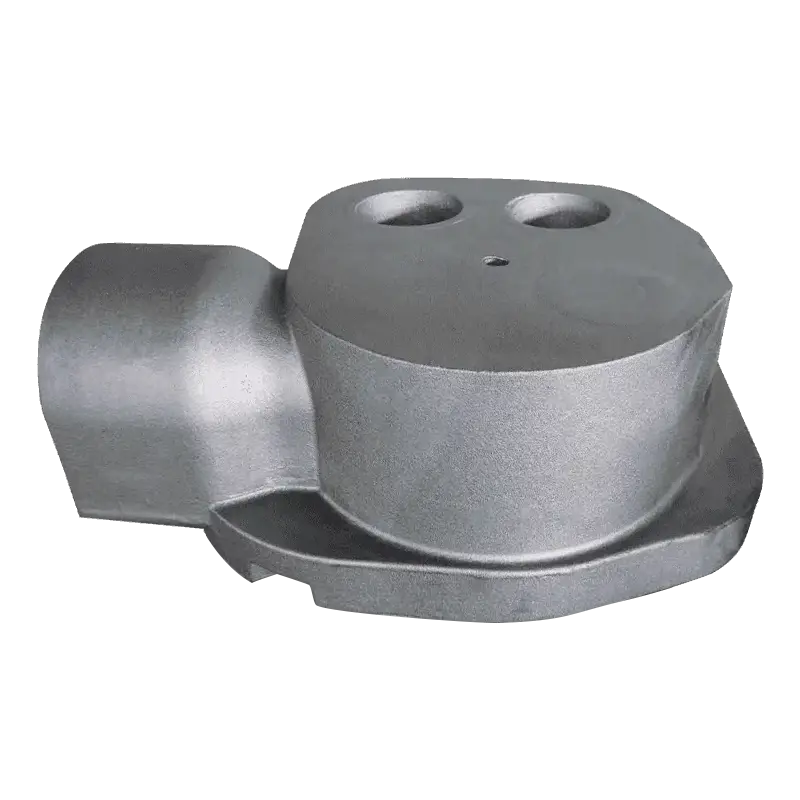
Compressor exhaust seat
1. Good vibration damping and vibration absorption... -
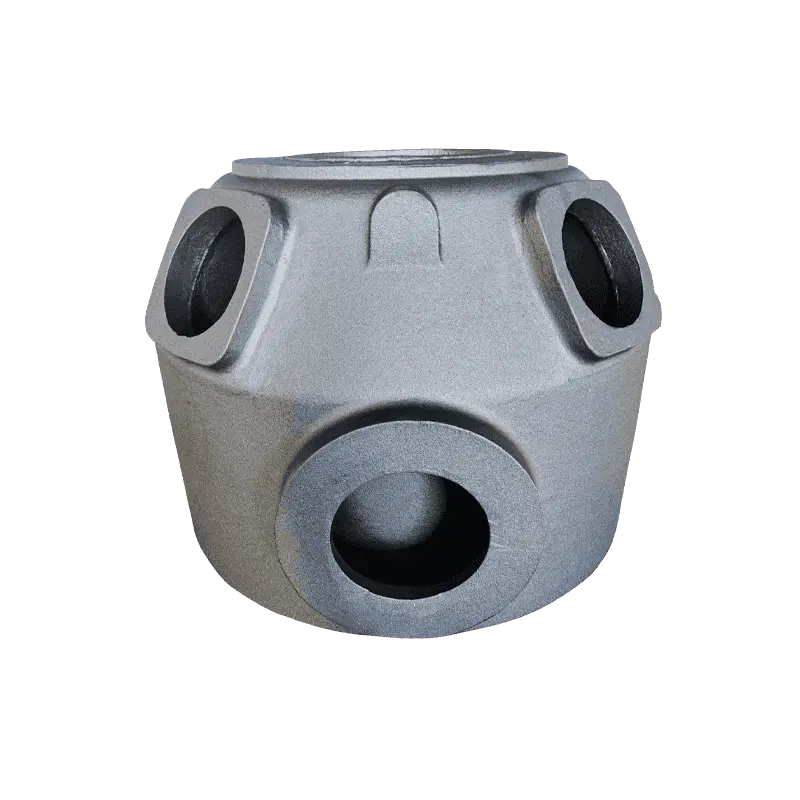
Compressor cylinder
1. Good vibration damping and vibration absorption... -
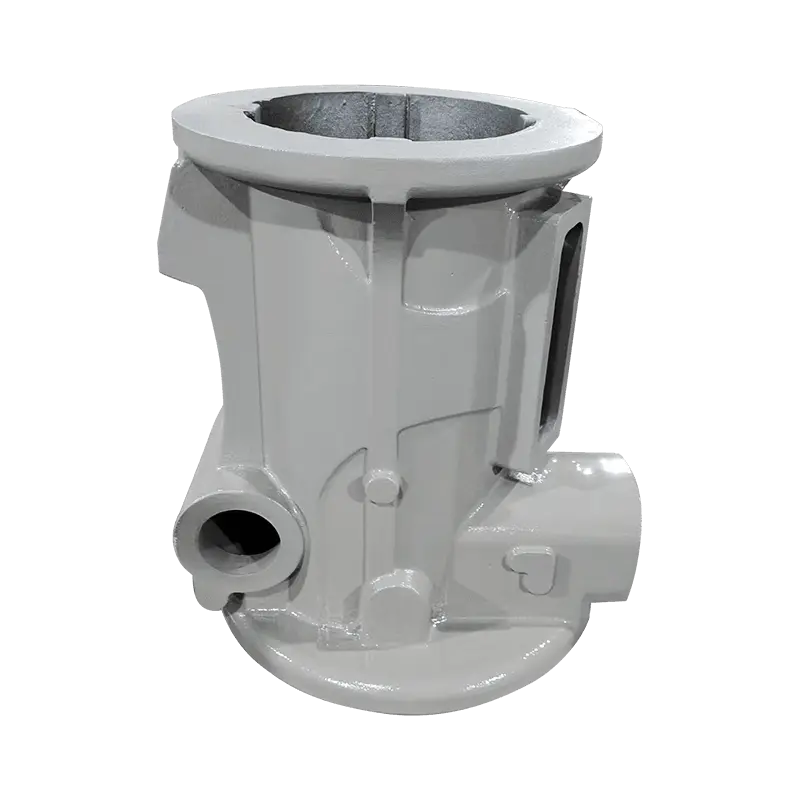
Series compressor casing
1. Good vibration damping and vibration absorption... -
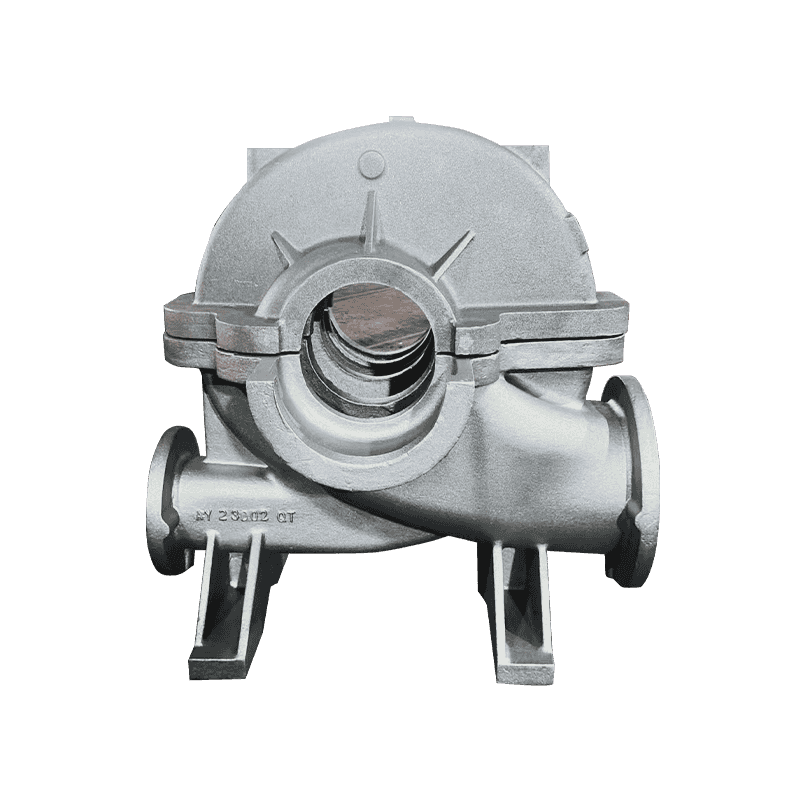
Double pump, pump cover
1. Good vibration damping and vibration absorption...

Add: No.188 Xingnan Road, Nanmo Town, Hai'an City, Nantong City, Jiangsu Province China.
Tel: +86-0513-88895668
E-mail: [email protected]
quick links
