


 EN
EN  English
 Español
 русский
 Deutsch
-
Tool Selection and Geometry: Selecting the appropriate cutting tool is a foundational step when machining or drilling Ductile Iron Parts because the material, while tougher than gray cast iron, can still be prone to surface tearing, microcracks, and tool-induced defects. Carbide, coated carbide, or high-speed steel tools are preferred for their hardness, wear resistance, and thermal stability under high cutting temperatures. Tool geometry plays a crucial role: a positive rake angle reduces cutting forces and tensile stress on the workpiece surface, preventing surface tearing and subsurface cracking. Drill bits require optimized point angles, lip relief angles, and sharp cutting edges to ensure efficient penetration without smearing or generating excessive heat. For milling, multi-flute end mills with polished flanks facilitate smooth chip evacuation, reduce friction, and improve surface quality. Incorrect tool selection or geometry can result in uneven cutting forces, localized heating, and defects that compromise both the part’s mechanical properties and functional performance, making careful tooling choices critical for reliable, high-quality Ductile Iron machining.
-
Optimized Cutting Parameters: Achieving high-quality machined surfaces and preventing internal cracks in Ductile Iron Parts requires careful optimization of cutting parameters, including cutting speed, feed rate, and depth of cut. Excessive cutting speeds generate significant heat at the cutting interface, producing thermal stresses, surface hardening, or microcracking. High feed rates or deep cuts can induce vibration, chatter, or uneven force distribution, which increases the risk of subsurface damage or deformation. Parameters must be selected based on the specific grade of ductile iron, the tool material, and the part geometry, as variations in microstructure or hardness significantly influence machinability. Stepwise drilling for deep holes, moderate penetration rates, and incremental material removal are recommended to reduce torque spikes, minimize stress concentrations, and preserve dimensional accuracy. Maintaining stable, controlled cutting conditions ensures the part retains its mechanical integrity while producing a smooth surface free from microcracks or stress risers.
-
Cooling and Lubrication Techniques: Proper cooling and lubrication are essential to maintain surface integrity and prevent microcracking during machining or drilling of Ductile Iron Parts. Continuous application of cutting fluids dissipates heat, reduces friction, and prevents localized thermal expansion, which could otherwise generate internal stresses and surface defects. For deep-hole drilling, through-tool coolant delivery is highly recommended, ensuring that coolant reaches the cutting edge directly and efficiently flushes chips from the hole, minimizing re-cutting or abrasion. Lubricants also reduce tool wear, lower cutting forces, and maintain surface finish consistency. In milling operations, especially at higher spindle speeds, cooling prevents thermal softening of the cutting tool and limits expansion of the workpiece, which can compromise dimensional tolerances. Proper cooling strategies, including flood or mist lubrication, not only protect the material but also extend tool life and enhance overall machining efficiency.
-
Workpiece Support and Fixturing: Secure and stable fixturing is critical when machining or drilling Ductile Iron Parts because vibrations, deflections, or inadequate support can introduce microcracks or surface defects. Clamping should distribute force evenly across the workpiece to avoid localized stress concentrations that could lead to deformation. For thin, irregularly shaped, or long components, additional support—such as sacrificial backing plates or adjacent surface supports—helps maintain rigidity during cutting. During drilling, pilot holes, stepped drilling, or use of backing materials ensures clean hole exits, prevents burr formation, and reduces tensile stress around hole edges. A well-designed fixturing setup minimizes chatter, maintains cutting alignment, and ensures that forces applied during machining do not exceed the substrate’s structural limits. Secure support is particularly crucial for high-precision parts where dimensional accuracy and surface integrity are critical to functional performance.
Haian Aoyu Machinery Manufacturing Co., Ltd.

Haian Aoyu Machinery Manufacturing Co., Ltd.
What are the best practices for machining or drilling Ductile Iron Parts to prevent surface defects or internal cracks?
Popular Recommendations
-
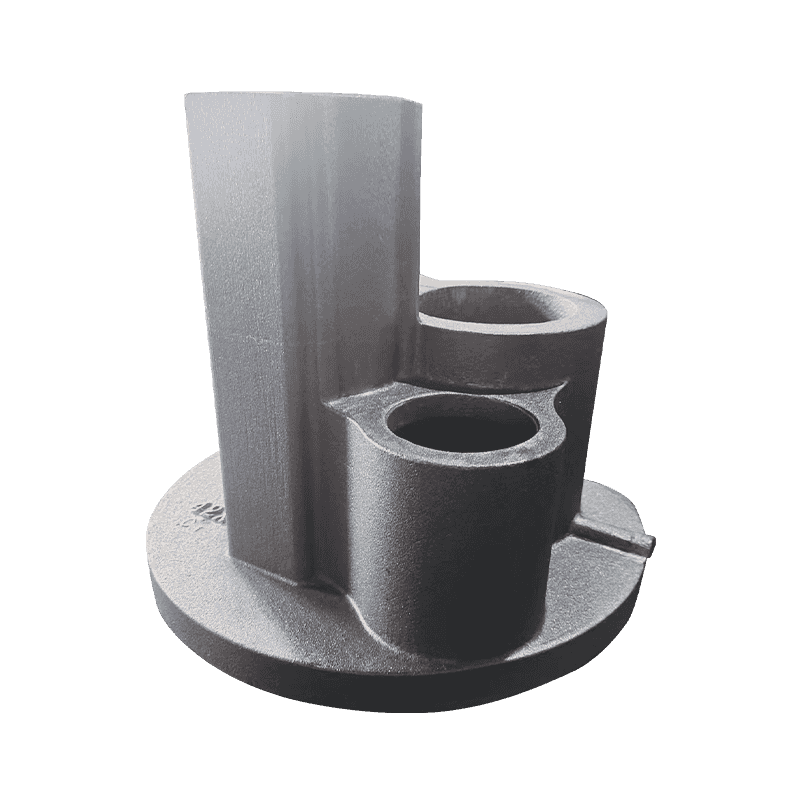
Compressor bearing seat
1. Good vibration damping and vibration absorption... -
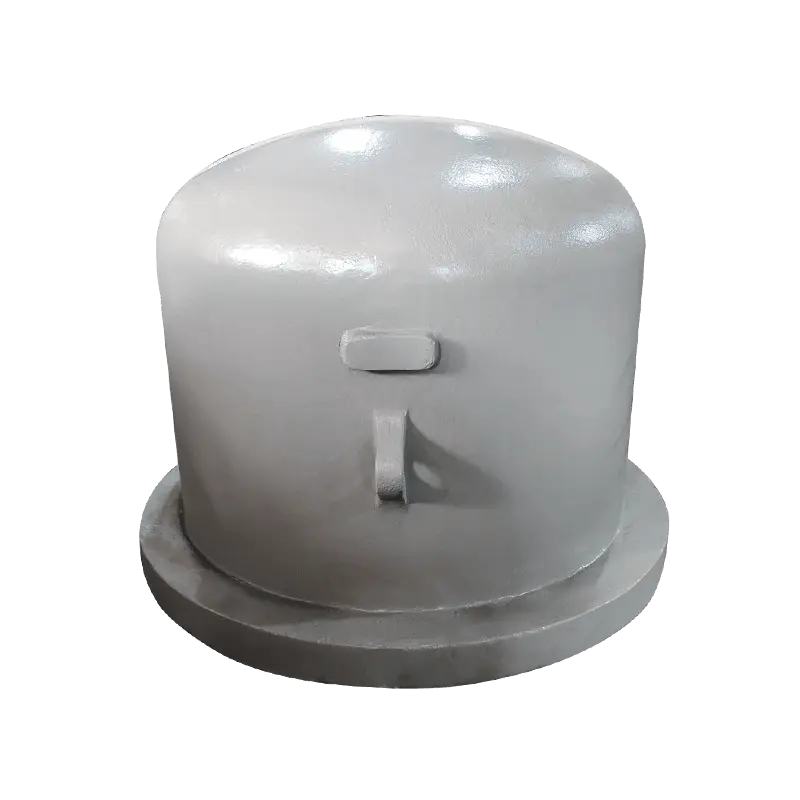
Compressor short oil barrel
1. Better strength and high toughness give casting... -
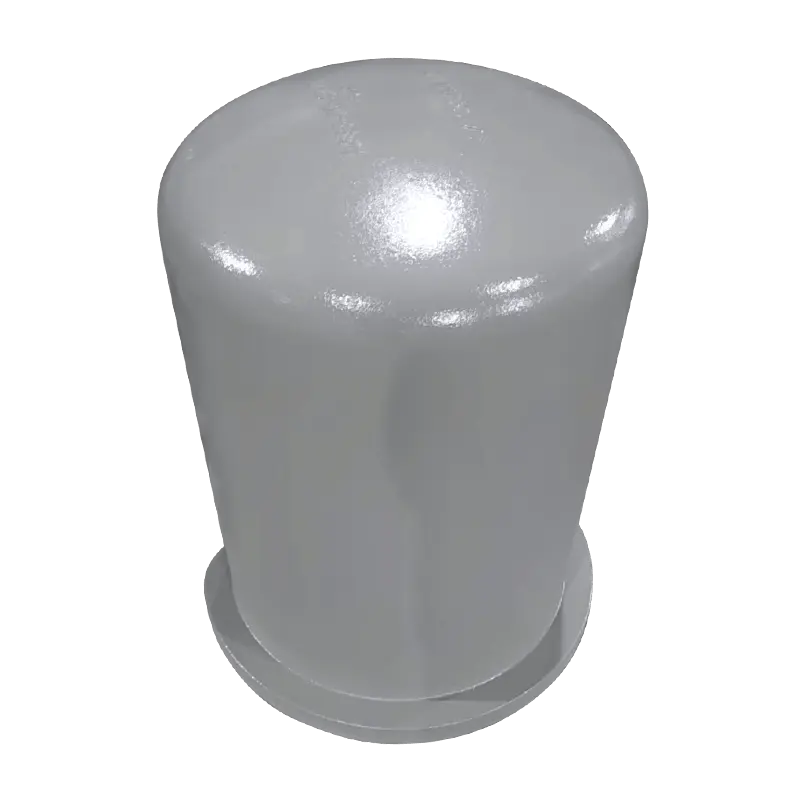
Compressor oil bucket
1. Better strength and high toughness give casting... -
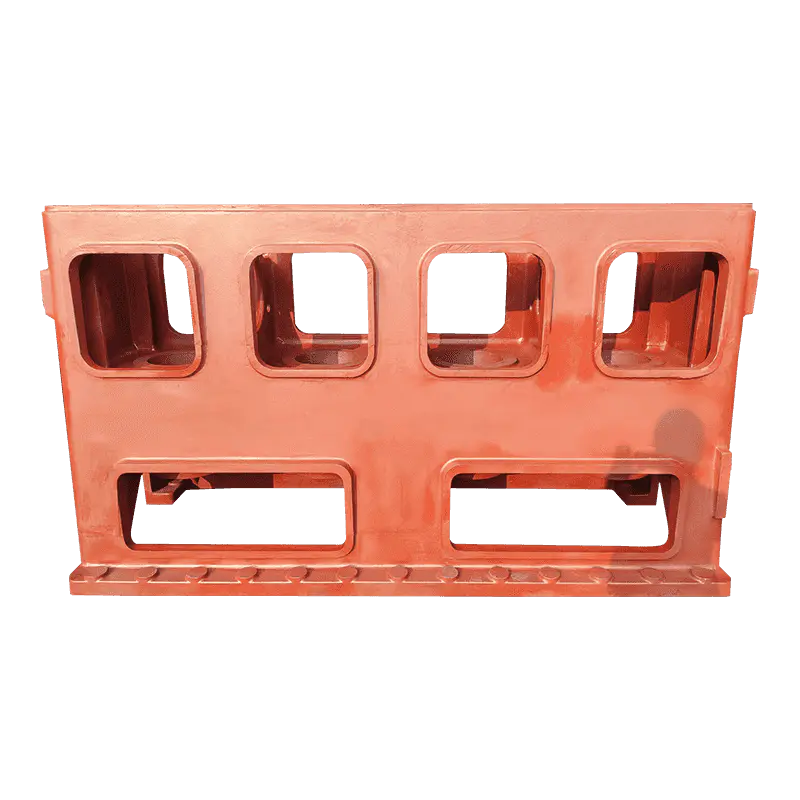
Compressor body
1. Good vibration damping and vibration absorption... -
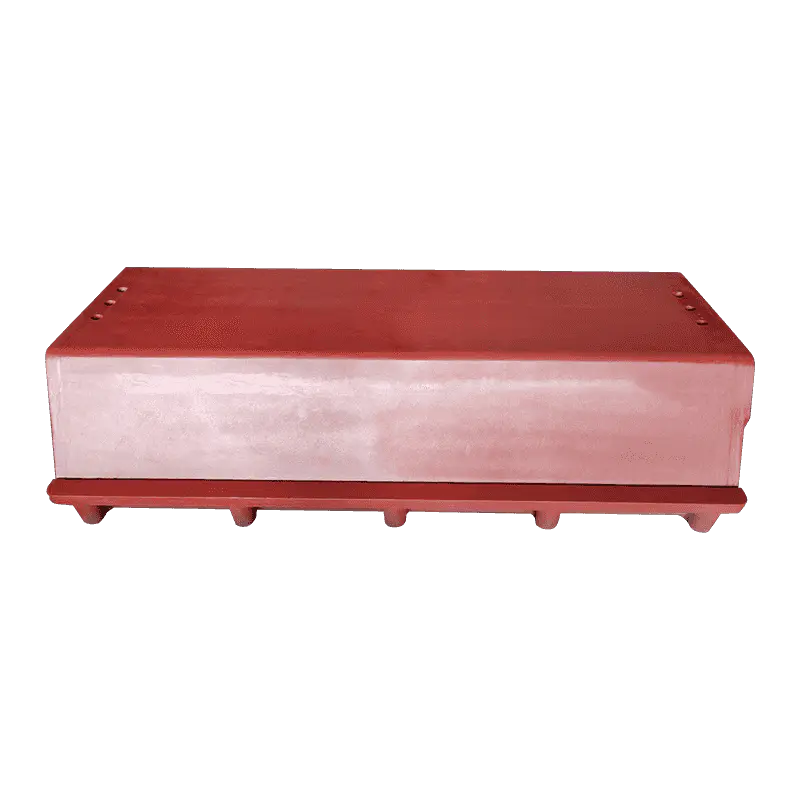
Compressor crankcase
1. Good vibration damping and vibration absorption... -
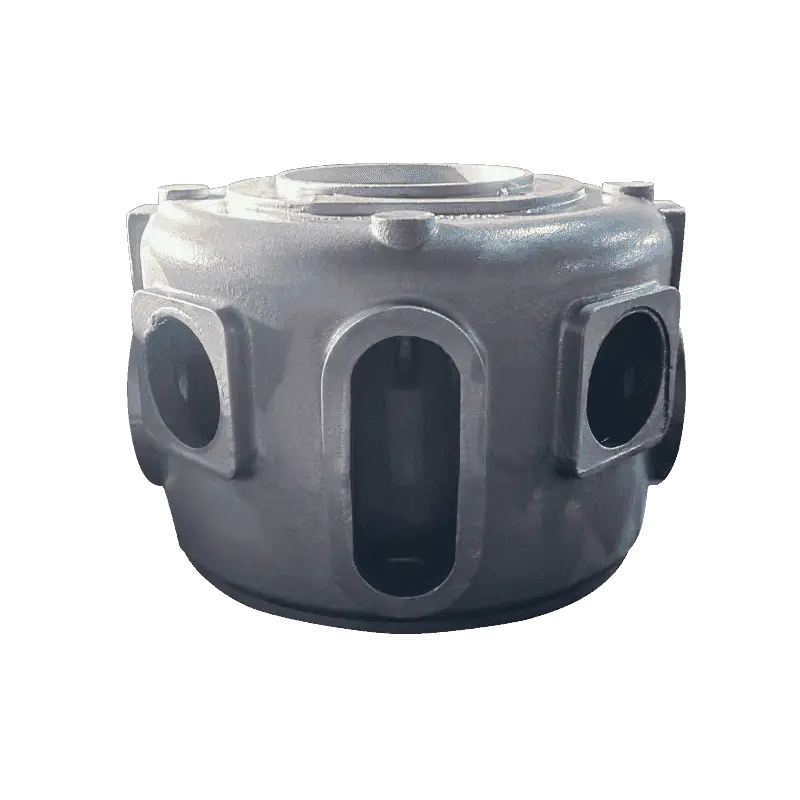
Compressor coated sand cylinder
1. Good vibration damping and vibration absorption... -
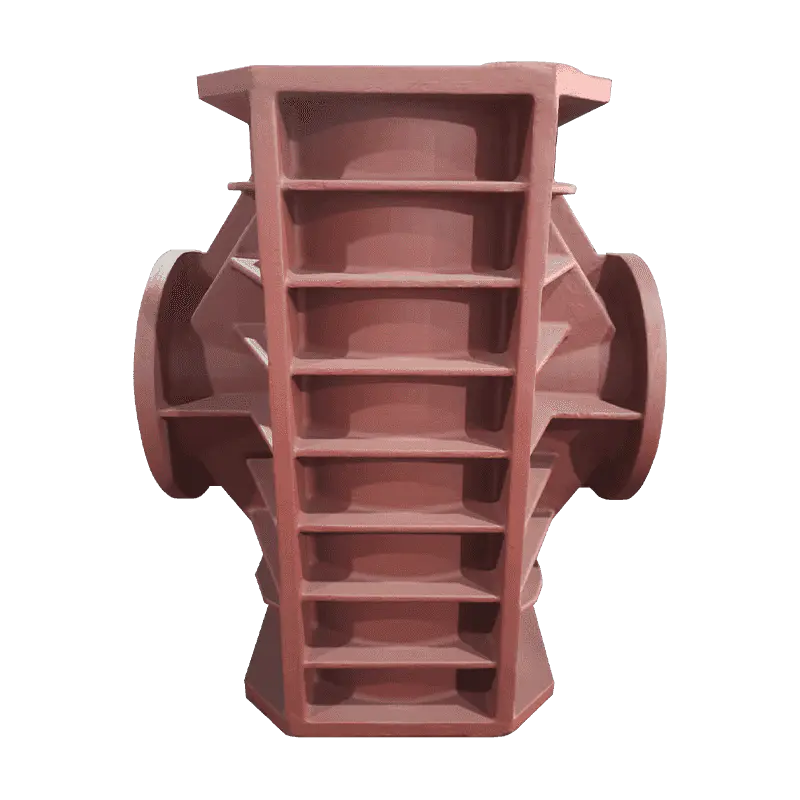
Compressor heritage resin sand cylinder
1. Castings have high strength and certain ductili... -
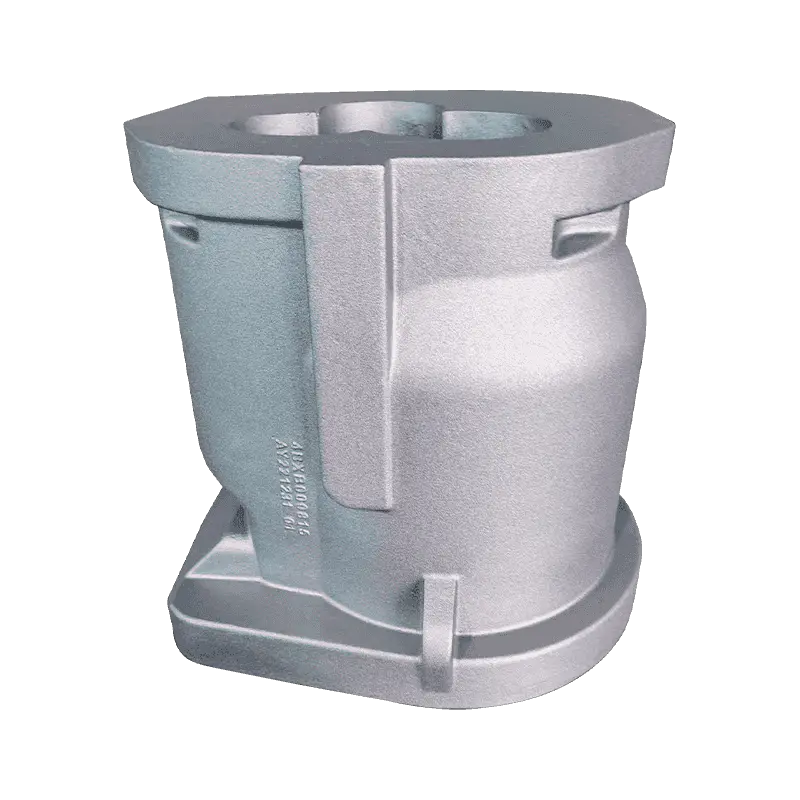
Compressor rotor seat
1. Good vibration damping and vibration absorption... -
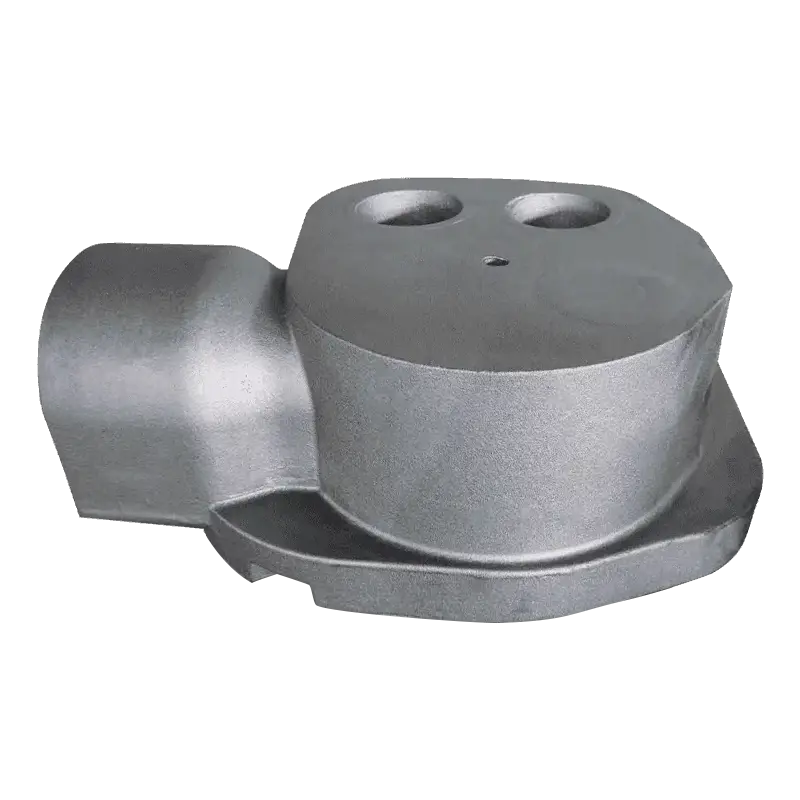
Compressor exhaust seat
1. Good vibration damping and vibration absorption... -
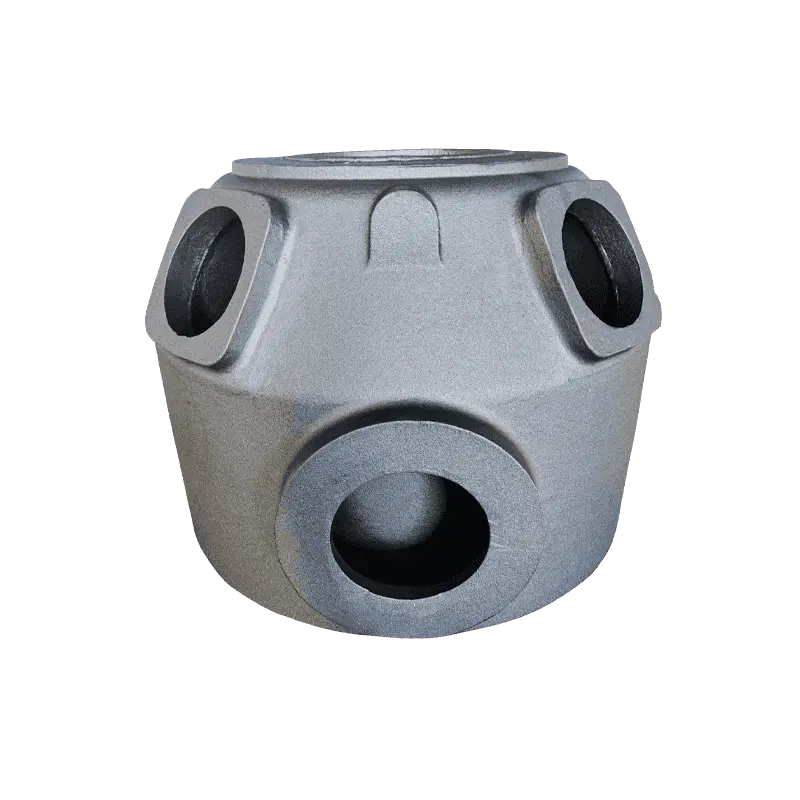
Compressor cylinder
1. Good vibration damping and vibration absorption... -
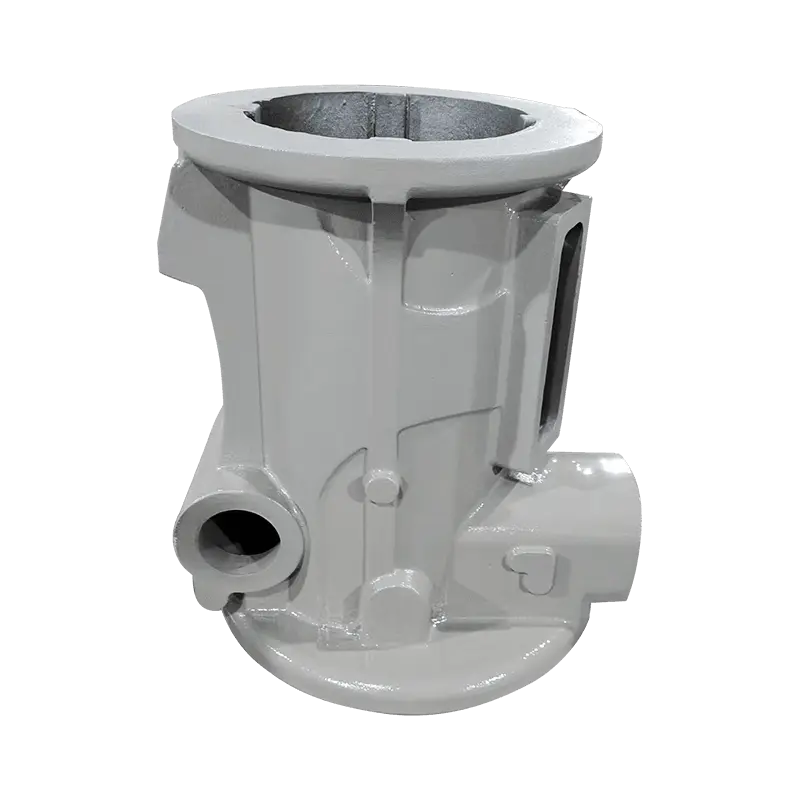
Series compressor casing
1. Good vibration damping and vibration absorption... -
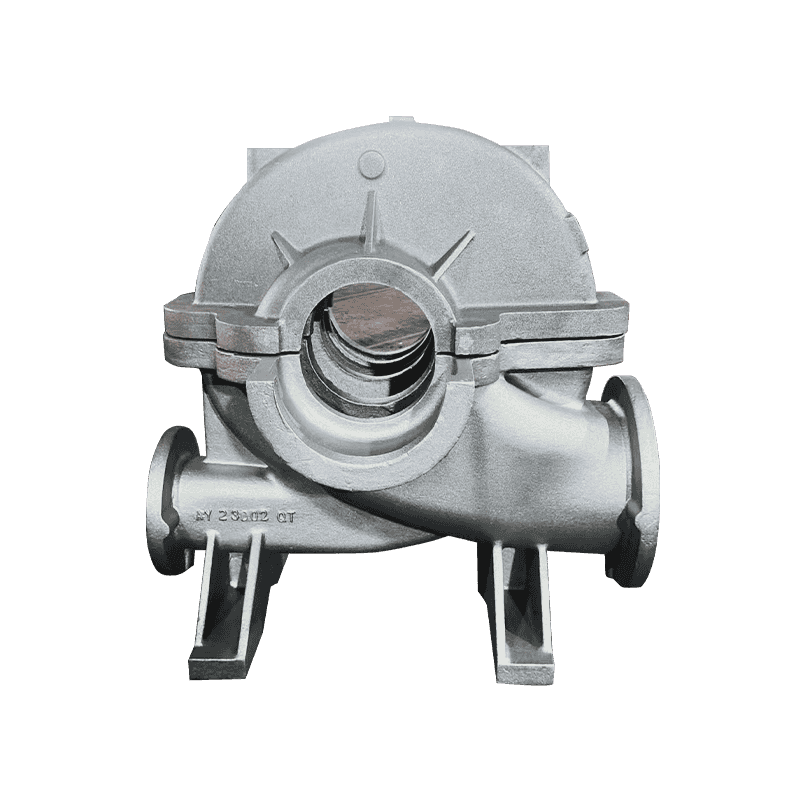
Double pump, pump cover
1. Good vibration damping and vibration absorption...

Add: No.188 Xingnan Road, Nanmo Town, Hai'an City, Nantong City, Jiangsu Province China.
Tel: +86-0513-88895668
E-mail: [email protected]
quick links
