EN
EN  English
 Español
 русский
 Deutsch
High Tensile Strength and Ductility
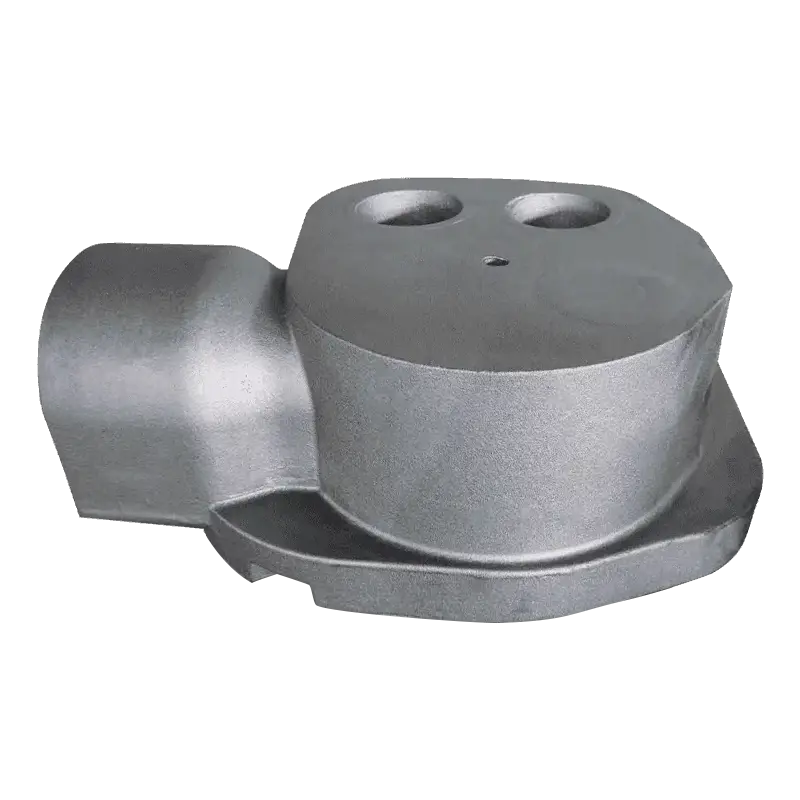
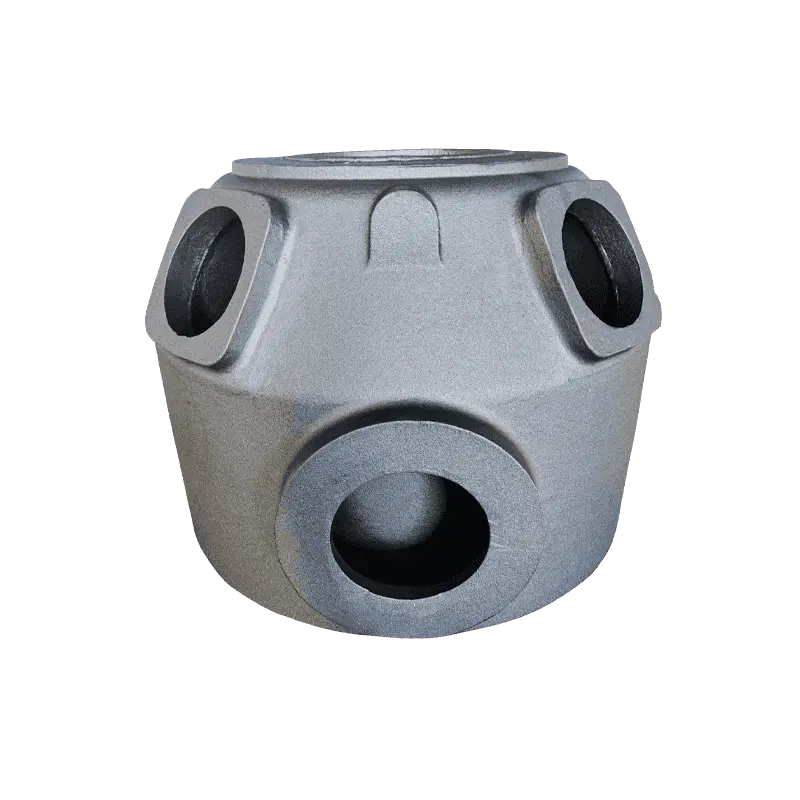
Ductile Iron Parts are distinguished by their spheroidal graphite microstructure, which provides a unique combination of high tensile strength and excellent ductility. Unlike gray iron, where flake graphite acts as a stress concentrator, the rounded graphite nodules in ductile iron distribute stress more evenly throughout the metal matrix. This structural advantage allows Ductile Iron Parts to withstand high internal pressures without sudden brittle fracture. In pipelines, valves, and hydraulic systems, this ductility enables the material to tolerate deformation under pressure surges, pressure fluctuations, and mechanical shocks. As a result, Ductile Iron Parts maintain structural integrity even under demanding operating conditions, offering performance levels that approach those of cast steel while retaining superior vibration damping characteristics.
Reliable Pressure Containment Capability
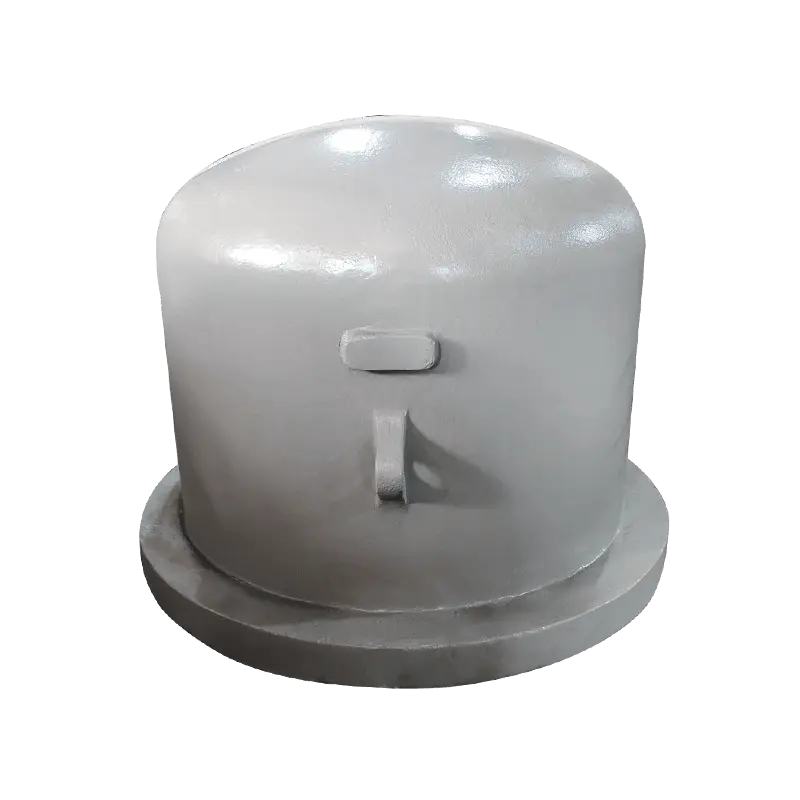
In pressure-bearing applications, long-term pressure containment is critical for safety and system reliability. Ductile Iron Parts exhibit high yield strength and stable elastic behavior, allowing them to safely contain liquids and gases over extended service periods. Properly designed ductile iron components can sustain both steady internal pressure and temporary pressure spikes caused by flow changes or system start-up and shutdown. Their ability to maintain dimensional stability under load makes them particularly suitable for water pipelines, industrial valve bodies, and hydraulic housings. When combined with optimized wall thickness and proper casting quality, Ductile Iron Parts consistently meet or exceed required pressure ratings defined by international engineering standards.
Excellent Fatigue Resistance Under Cyclic Pressure
Pressure systems rarely operate under constant conditions; instead, they experience frequent pressure variations and cyclic loading. Ductile Iron Parts perform exceptionally well in such environments due to their high fatigue resistance. The spheroidal graphite nodules inhibit crack initiation and significantly slow crack propagation when compared to gray iron or lower-grade cast materials. This makes ductile iron particularly suitable for valves and hydraulic components that undergo repeated opening, closing, and pressure cycling. The enhanced fatigue life reduces the risk of premature failure, extends service intervals, and improves overall system reliability in dynamic pressure applications.
Corrosion Resistance with Appropriate Surface Protection
While Ductile Iron Parts inherently offer better corrosion resistance than many carbon steels, pressure-bearing applications typically require additional surface protection to ensure long-term performance. Internal linings such as epoxy, cement mortar, or polyurethane protect against fluid-induced corrosion, while external coatings such as zinc, bitumen, or epoxy systems shield components from soil, moisture, and chemical exposure. These protective measures are especially important for buried pipelines and externally exposed valve bodies. When properly coated and maintained, Ductile Iron Parts can achieve service lifetimes of several decades, even in aggressive operating environments.
Excellent Castability and Dimensional Stability
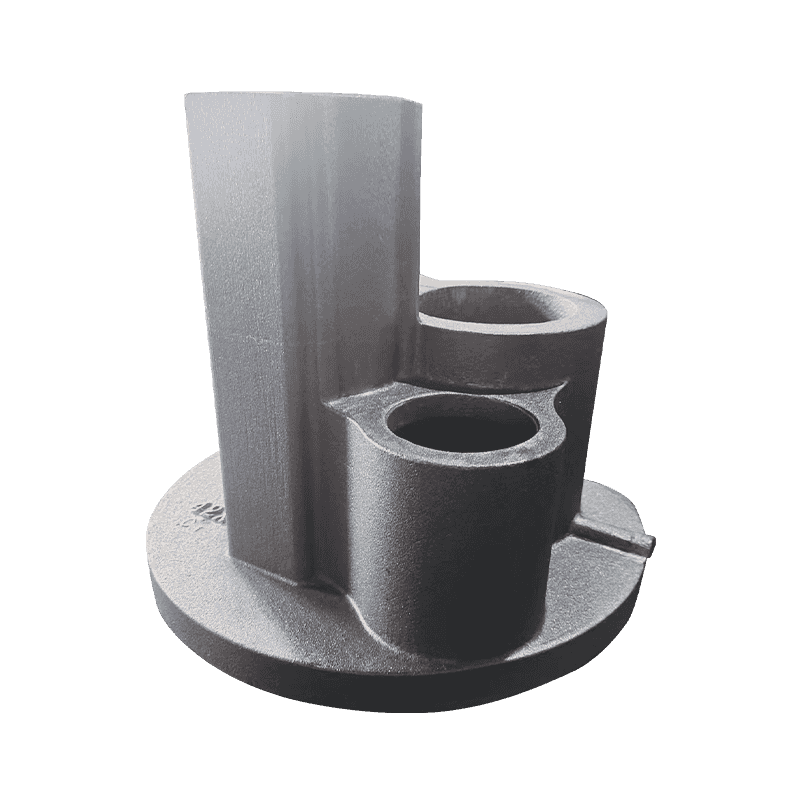
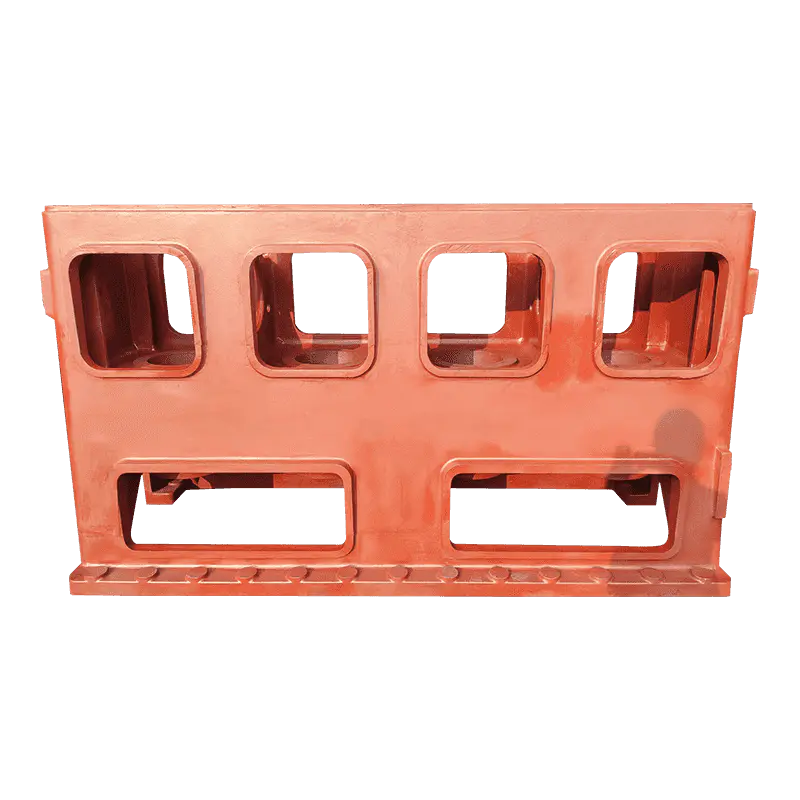
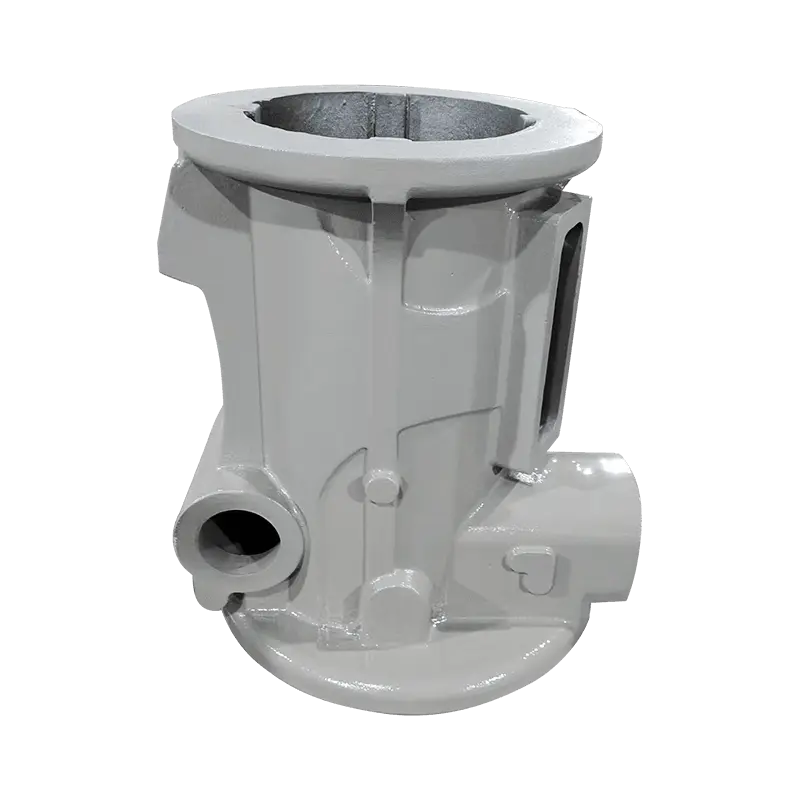
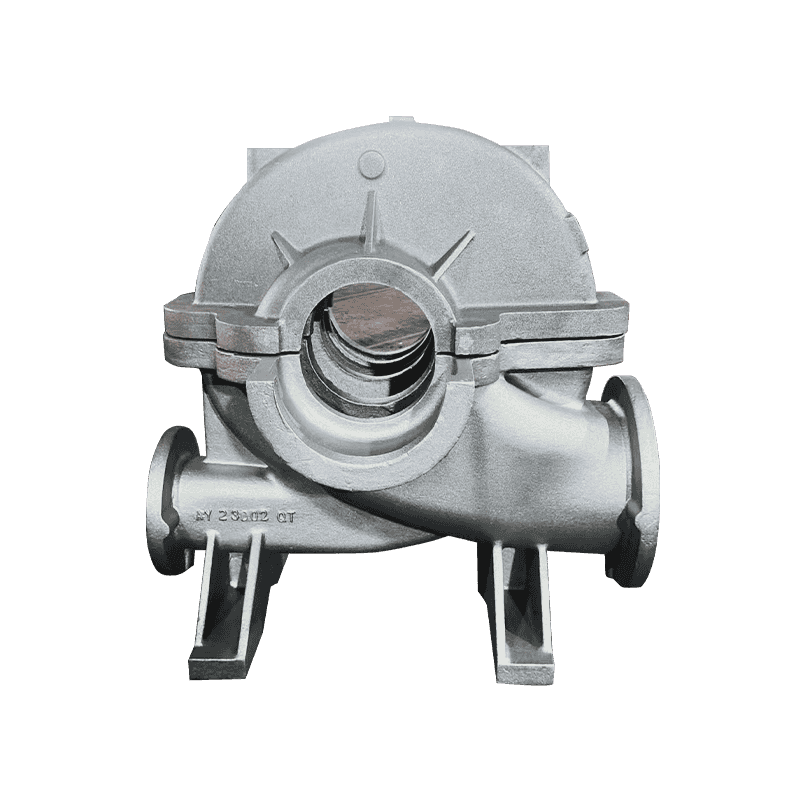
One of the key advantages of Ductile Iron Parts in pressure-bearing applications is their excellent castability. Complex shapes, uniform wall thicknesses, reinforced sections, and smooth internal flow passages can be produced in a single casting. This design flexibility allows engineers to optimize stress distribution and minimize localized stress concentrations that could compromise pressure performance. Ductile iron exhibits good dimensional stability during operation, ensuring that pressure ratings and sealing surfaces remain consistent over time. This is particularly beneficial for large-diameter pipelines and complex valve bodies where dimensional accuracy is critical.