EN
EN  English
 Español
 русский
 Deutsch
Structural Design and Geometry Optimization
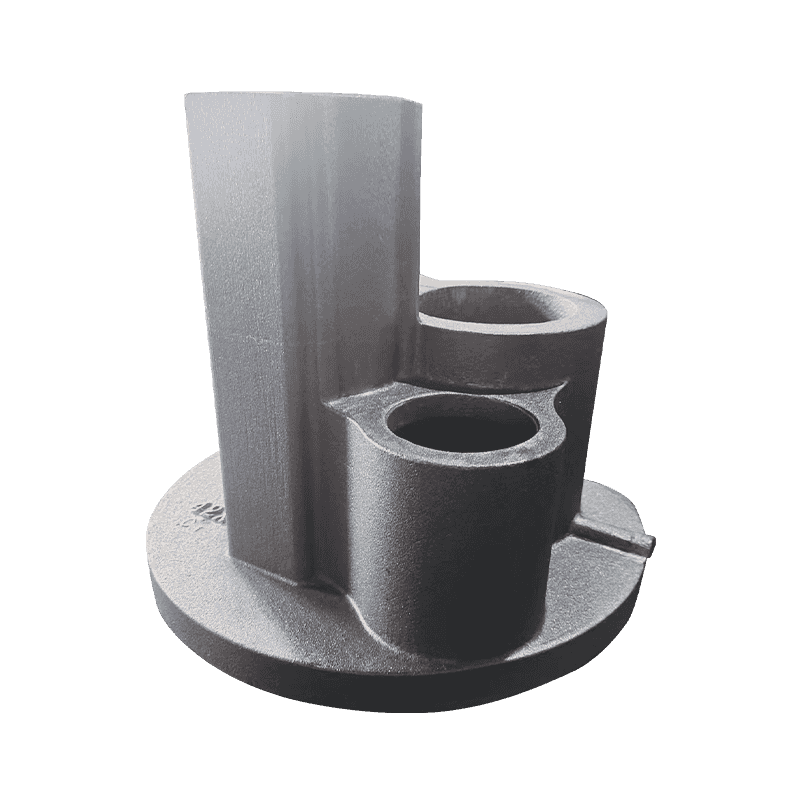
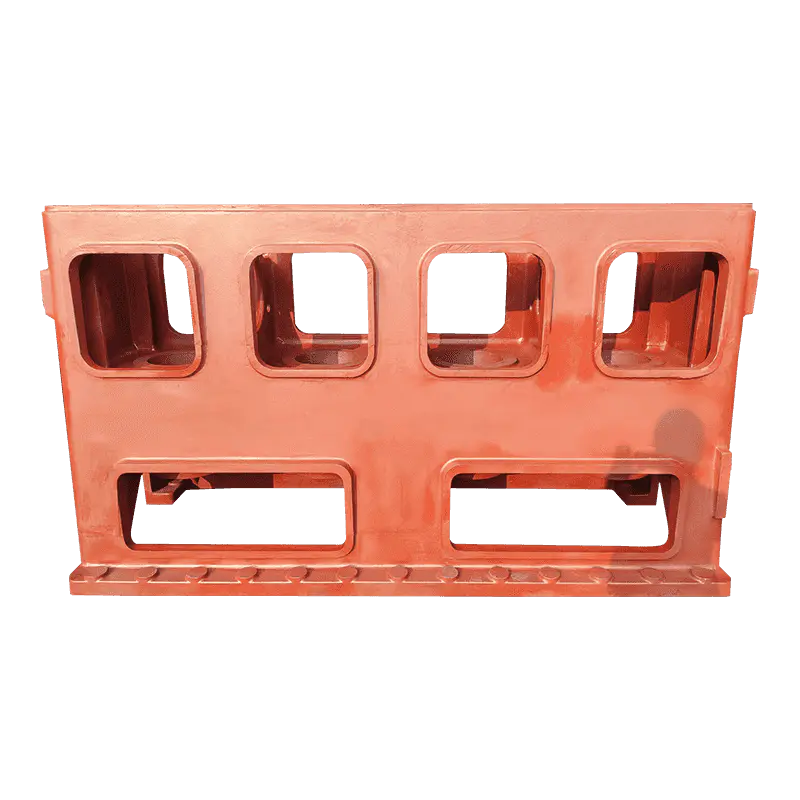
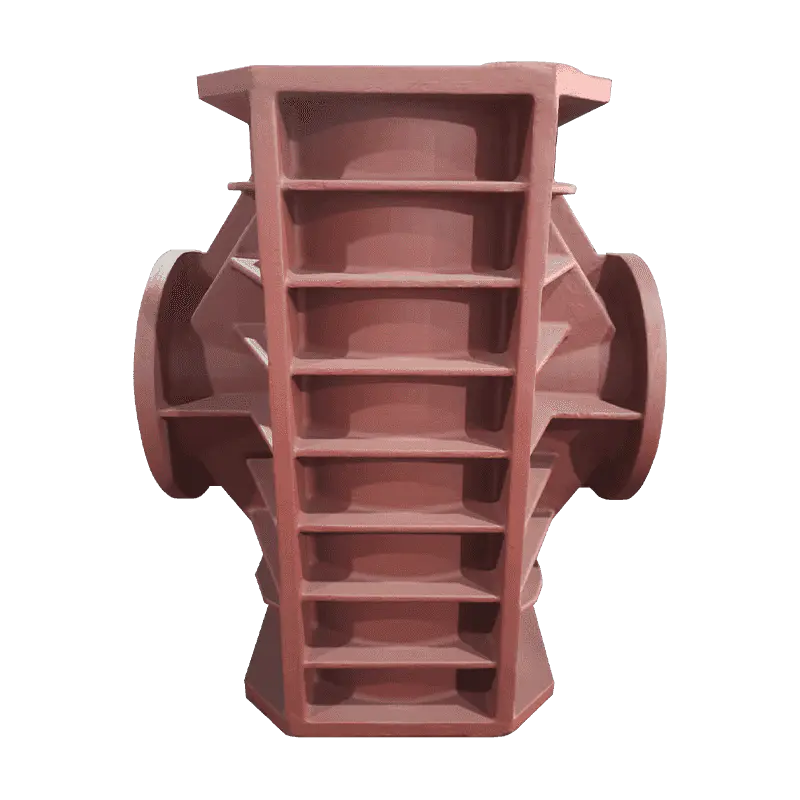
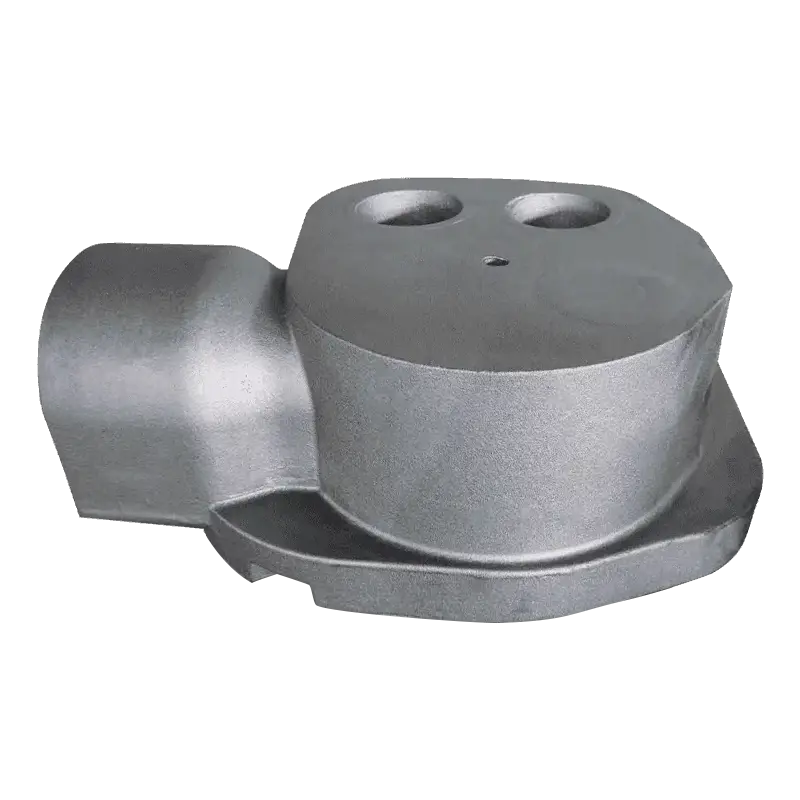
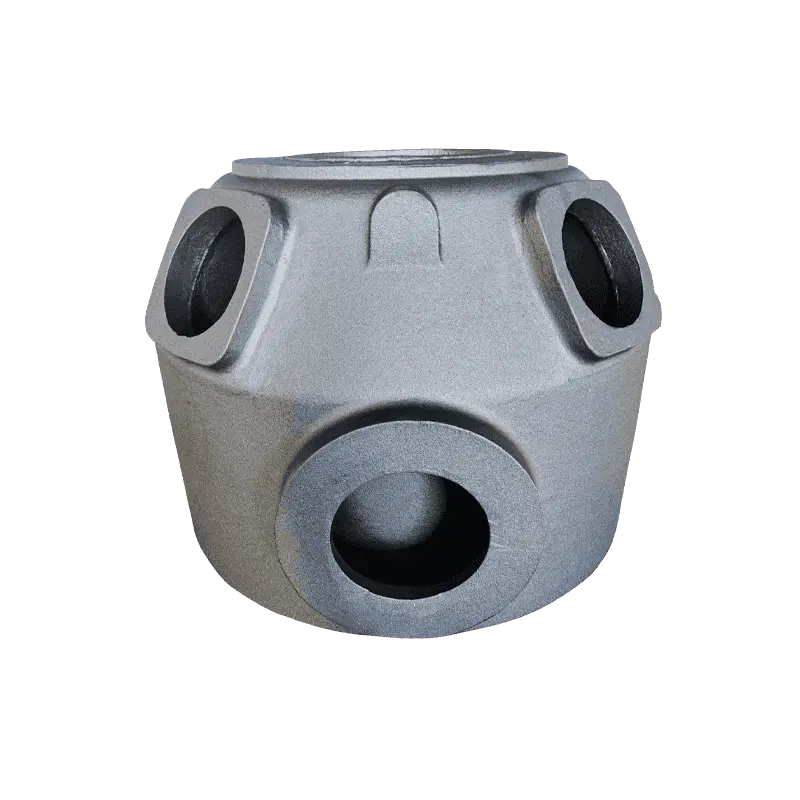
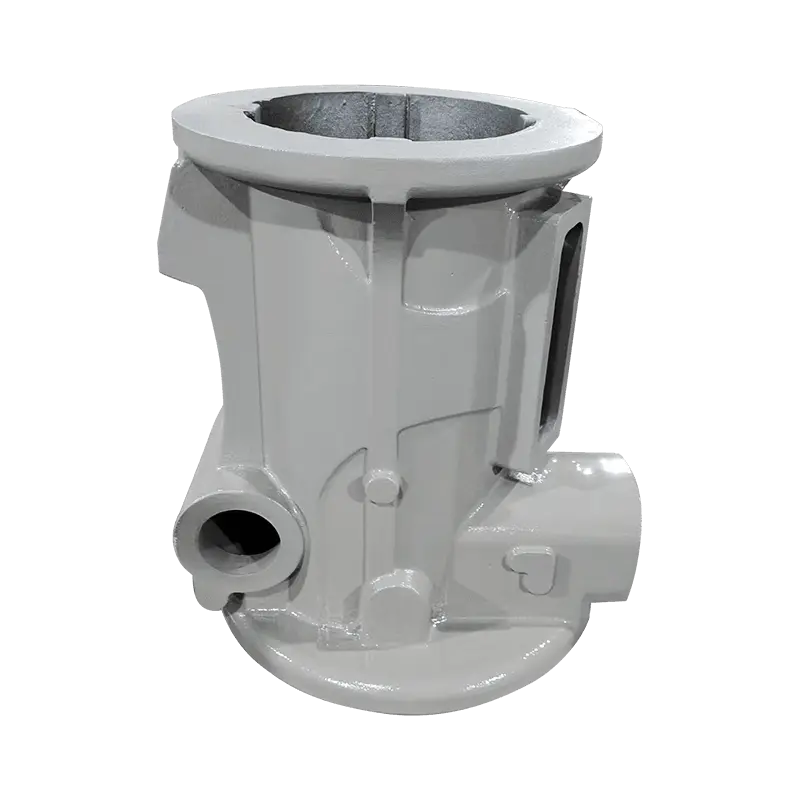
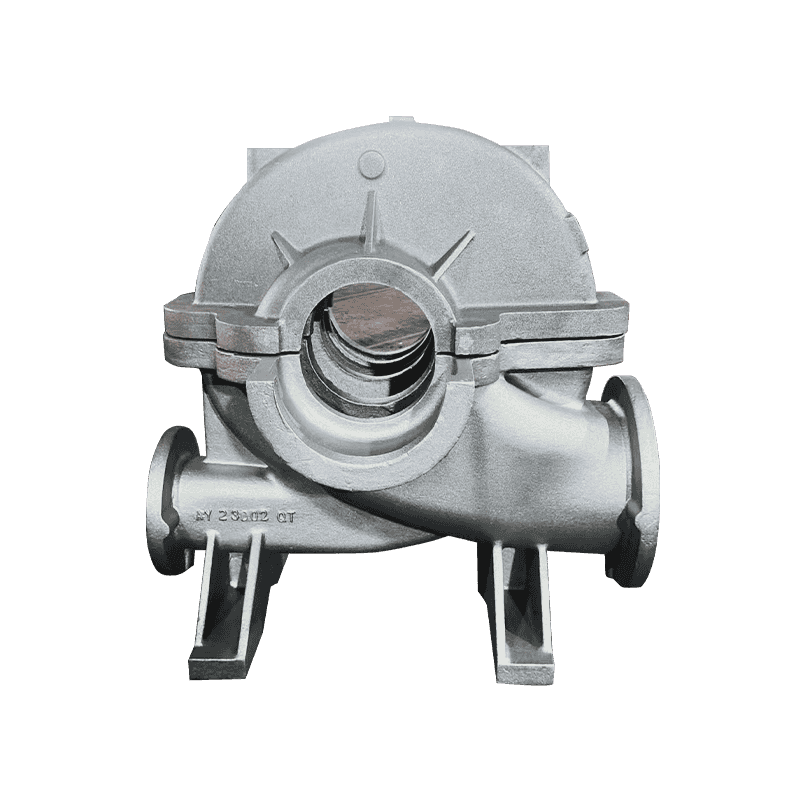
Compressor Castings are subjected to complex mechanical stresses during continuous compressor operation, arising from high-speed rotation, reciprocating pistons, pulsating gas flow, and fluctuating thermal loads. To manage these stresses effectively, manufacturers optimize the structural geometry of the castings, incorporating ribs, gussets, fillets, and consistent wall thicknesses to evenly distribute mechanical loads.
Finite Element Analysis (FEA) is widely used during the design phase to simulate the dynamic forces experienced during operation. This analysis identifies stress concentration points and areas prone to deformation, allowing engineers to reinforce these zones strategically. For example, thickening walls in regions of high stress while reducing mass in low-stress areas balances durability with weight reduction. Proper geometric optimization ensures that the casting maintains its dimensional stability, prevents cracking or warping, and avoids resonance phenomena that could amplify vibrations. By combining precise design with structural reinforcement, Compressor Castings are capable of withstanding both static and dynamic loads over the operational lifecycle.
Material Selection and Mechanical Properties
The choice of material is fundamental in determining a casting’s ability to withstand vibration and dynamic loads. Compressor Castings are often made from high-strength alloys that combine excellent fatigue resistance, toughness, and elasticity. Materials are selected not only for their static mechanical strength but also for their ability to absorb cyclic stresses without developing microcracks or permanent deformation.
Heat treatment processes, such as quenching, tempering, or solution treatment, further enhance mechanical properties by relieving internal stresses, increasing hardness, and improving ductility. Alloy composition is also optimized to resist thermal expansion and creep under elevated operational temperatures. The combination of advanced material selection and post-processing ensures that the castings maintain structural integrity, resist fatigue, and provide long-term reliability, even under continuous high-speed and high-pressure operation in industrial or heavy-duty compressors.
Vibration Damping
Effective vibration damping is essential for Compressor Castings to maintain reliability and protect surrounding components. The design integrates features such as ribbed walls, fillets, and strategic mass distribution to absorb and dissipate vibrational energy. These structural features reduce the amplitude and frequency of vibrations transmitted through the casting to the compressor assembly, including bearings, shafts, and other precision components.
Some advanced designs incorporate local reinforcements or add-on damping materials to further minimize vibration-induced stresses. Proper vibration management mitigates the risk of fatigue cracking, decreases operational noise, and enhances the overall lifespan of both the casting and associated components. Vibration damping is particularly critical in high-speed compressors where even minor oscillations can lead to accelerated wear, reduced efficiency, or potential failure of critical parts. Through material selection and structural design, Compressor Castings are engineered to operate smoothly under prolonged dynamic loading.
Fatigue Resistance Under Cyclic Loading
Continuous compressor operation subjects castings to repeated cyclic loads, which can eventually lead to fatigue failure if not properly managed. Compressor Castings are designed and manufactured to minimize defects such as porosity, shrinkage cavities, or inclusions that could act as stress concentrators. Smooth surfaces, rounded corners, and uniform wall thickness help prevent localized stresses that accelerate fatigue.
Manufacturers often conduct accelerated life-cycle testing to evaluate the casting’s performance under repeated dynamic loading. These tests simulate operational conditions far exceeding normal usage, ensuring that the castings can safely endure thousands of cycles without structural compromise. High-quality material, precise casting techniques, and post-processing all contribute to the fatigue resistance of Compressor Castings, ensuring reliability, durability, and safe operation over the intended service life.
System Integration and Assembly Considerations
The ability of Compressor Castings to withstand vibration and dynamic loads also depends on proper integration into the compressor system. Correct alignment, secure mounting, and interface precision with shafts, bearings, and housings are crucial to distribute dynamic forces evenly and prevent stress concentration at connection points.
Thermal expansion must be accounted for during assembly to prevent distortion or misalignment under operational temperature fluctuations. Balancing of rotating elements, precision machining of mating surfaces, and adherence to manufacturer-recommended torque specifications reduce the risk of vibration amplification and premature wear. By combining careful system integration with robust casting design, compressors can operate efficiently, safely, and with minimal maintenance issues over extended operational periods.