EN
EN  English
 Español
 русский
 Deutsch
Pump and valve castings can be effectively protected against corrosion during storage and transportation through a combination of surface treatments, protective coatings, proper packaging, and controlled storage environments. The most reliable approach integrates multiple protection layers — from foundry-applied coatings to final packaging — to ensure castings arrive at their destination free from rust, oxidation, or surface degradation.
Why Corrosion Protection Matters for Pump and Valve Castings
Pump and valve castings are typically manufactured from materials such as gray iron, ductile iron, carbon steel, stainless steel, and bronze. While stainless steel and bronze offer inherent corrosion resistance, gray iron and carbon steel castings are highly susceptible to surface oxidation — even within 24 to 48 hours of exposure to humid conditions without protection.
Corrosion during storage or transit is not merely cosmetic. It can lead to dimensional changes on precision-machined surfaces, contaminate fluid systems during operation, and ultimately result in costly rework or rejection of parts. For critical applications in oil and gas, water treatment, or chemical processing, even minor surface corrosion on valve seats or pump impeller castings can compromise sealing performance and service life.
Surface Treatment Methods Applied at the Foundry
The first line of defense begins at the point of manufacture. Several foundry-applied surface treatments are commonly used to protect pump and valve castings before they leave the facility.
Shot Blasting and Cleaning
All pump and valve castings should undergo thorough shot blasting to remove sand, scale, and oxidation products from the casting surface. This step is essential because residual sand or oxides accelerate further corrosion and reduce coating adhesion. Shot blasting to a cleanliness grade of Sa 2.5 per ISO 8501-1 is widely recommended before applying any protective coating.
Rust Inhibitor and Anti-Corrosion Oil
For short- to medium-term storage (typically up to 6 months), pump and valve castings are commonly treated with water-displacing anti-corrosion oils or rust inhibitors. These products form a thin molecular film over the metal surface, blocking moisture and oxygen. Products such as Cortec VpCI-369 or equivalent oil-based inhibitors are sprayed or dipped on castings and can provide effective protection for indoor storage conditions.
Epoxy or Bituminous Paint Coatings
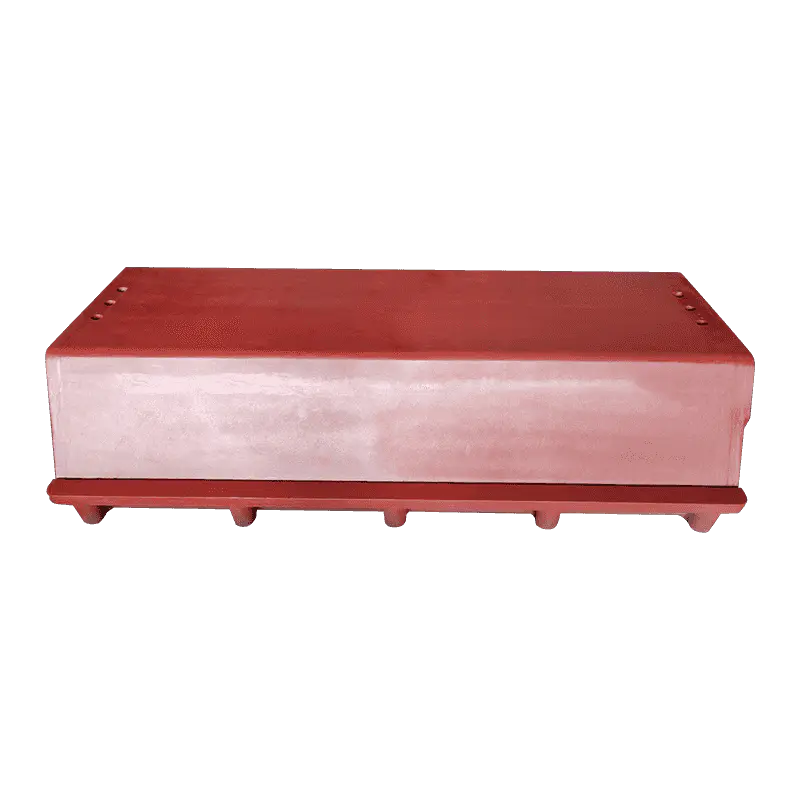
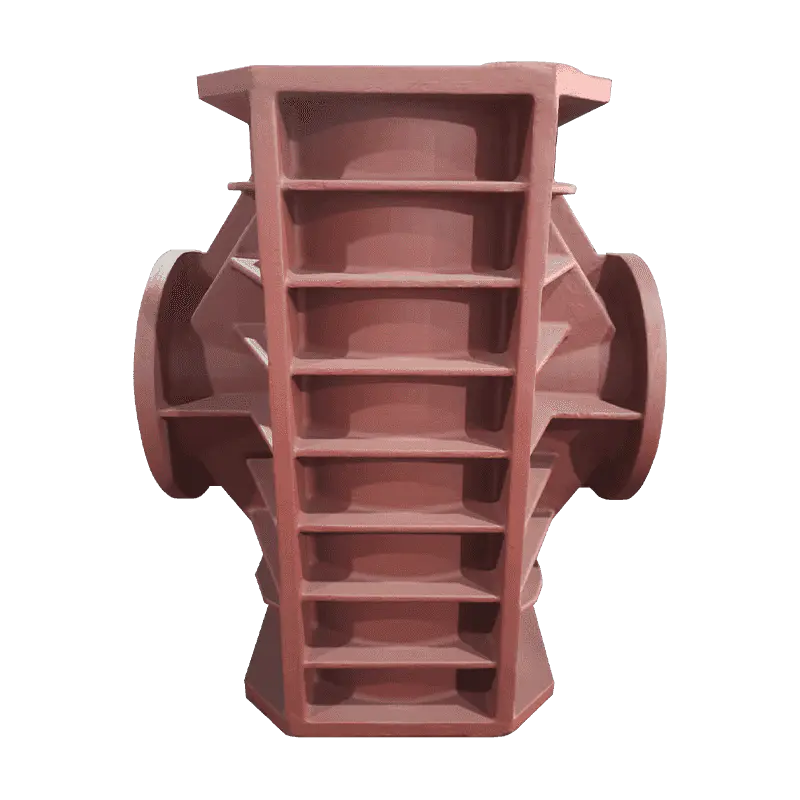
For longer storage periods or overseas transportation, pump and valve castings are often coated with one or two layers of epoxy primer or bituminous paint. A typical dry film thickness of 60–80 microns per coat provides robust barrier protection against moisture ingress. Epoxy coatings also serve as the base layer for final service coatings applied during installation.
Comparison of Common Corrosion Protection Methods
| Protection Method | Typical Duration | Best For | Limitations |
|---|---|---|---|
| Anti-corrosion oil / rust inhibitor | Up to 6 months | Short-term indoor storage | Requires re-application; not suitable for outdoor exposure |
| Epoxy primer coating | 12–24 months | Long-term storage, sea freight | Must be removed or overcoated before service |
| VCI (Vapor Corrosion Inhibitor) packaging | Up to 24 months | Transit and sealed storage | Effective only when packaging is sealed |
| Hot-dip galvanizing | Years (permanent) | Structural or non-sealing surfaces | Not suitable for precision-machined surfaces |
| Desiccant + sealed packaging | 6–12 months | Machined surfaces, tight tolerances | Requires intact packaging throughout transit |
Packaging Solutions for Transportation Protection
Even well-coated pump and valve castings can suffer corrosion during transportation if packaging is inadequate. Moisture, salt spray in sea freight, and temperature fluctuations during long-distance shipping all accelerate surface degradation. The following packaging strategies are commonly applied:
- VCI (Vapor Corrosion Inhibitor) film or bags: VCI packaging releases corrosion-inhibiting vapor that forms a molecular protective layer on metal surfaces inside the sealed package. This method is particularly effective for machined pump and valve casting components with tight dimensional tolerances where coatings cannot be applied.
- Silica gel desiccants: Placed inside sealed packaging to absorb residual moisture. A typical specification calls for 1 unit (30g) of silica gel per 0.03 cubic meters of enclosed packaging volume, per MIL-D-3464 guidelines.
- Polyethylene stretch wrap: Provides a first-layer moisture barrier before outer wooden crate or carton packaging. Often combined with VCI film for added protection.
- Wooden crates with moisture barriers: For heavy pump and valve castings shipped by sea freight, heat-treated wooden crates lined with waterproof membranes or kraft paper are standard. This protects against both mechanical damage and salt-laden humid air.
- Flange and opening caps: All open ports, flanges, and threaded connections on pump and valve castings must be covered with plastic caps or wooden plugs to prevent moisture ingress into internal surfaces and machined sealing faces.
Best Practices for Corrosion-Safe Storage of Pump and Valve Castings
Proper storage conditions are just as critical as surface treatment and packaging. Many corrosion failures occur not during transit but during extended warehouse storage periods. The following conditions should be maintained:
- Relative humidity below 50%: High humidity is the primary driver of rust formation on ferrous pump and valve castings. Climate-controlled warehouses with humidity control systems are strongly recommended.
- Storage off the ground: Castings should be stored on pallets or racks, never directly on concrete floors. Concrete is porous and can transmit ground moisture to casting surfaces.
- Avoid contact with dissimilar metals: Direct contact between ferrous pump and valve castings and copper or brass components creates galvanic couples that dramatically accelerate corrosion. Use rubber or plastic separators.
- Regular inspection schedule: For storage periods exceeding 6 months, pump and valve castings should be inspected every 3 months and rust inhibitor re-applied to any exposed areas as needed.
Special Considerations for Precision-Machined Surfaces
Many pump and valve castings include precision-machined surfaces such as valve seats, flange faces, shaft bores, and sealing grooves. These surfaces require special attention because standard paint coatings cannot be applied without affecting dimensions or surface finish.
For these areas, the recommended approach is to apply a removable, wax-based or oil-based temporary protective compound such as Tectyl 506 or equivalent. These products form a soft, peelable film that protects the surface during storage and transportation and can be easily wiped off with a solvent before assembly — leaving the machined surface undamaged and within specification.
In addition, all threaded connections, stud holes, and bore openings on pump and valve castings should be sealed with taped plastic caps or purpose-made thread protectors to prevent moisture, dust, and contamination from entering internal passages.
Documentation and Traceability for Corrosion Protection
Professional supply chains for pump and valve castings should include clear documentation of the corrosion protection measures applied to each batch. This documentation typically forms part of the material traceability record and should include:
- Surface preparation method and cleanliness grade achieved (e.g., Sa 2.5)
- Type and brand of coating or rust inhibitor applied
- Dry film thickness measurements for paint coatings
- Packaging specification used (VCI, desiccant type and quantity)
- Date of protection application and recommended maximum storage duration
- Special handling or storage instructions for the end user
This level of documentation is particularly important for pump and valve castings destined for regulated industries such as oil and gas, nuclear power, or marine applications, where material and quality records are subject to third-party audit and certification requirements.
Key Takeaways
Protecting pump and valve castings from corrosion during storage and transportation is not a single-step process — it requires a systematic, layered approach. Surface preparation, appropriate coating selection, VCI or desiccant packaging, and controlled storage conditions must all work together to ensure castings arrive in serviceable condition.
Buyers and procurement engineers should explicitly specify corrosion protection requirements in purchase orders and inspect packaging integrity upon delivery. Specifying the protection standard upfront — whether that is anti-corrosion oil for 6-month domestic storage or epoxy primer with VCI packaging for 18-month international transit — eliminates ambiguity and protects the value of the investment in precision pump and valve castings.