EN
EN  English
 Español
 русский
 Deutsch
Thermal Intelligence in Compressor Castings
A refined engineering perspective on how material science, geometry, and heat behavior redefine performance beyond conventional gray iron expectations.
In modern compressor engineering, thermal conductivity is no longer a single-material debate. It is a system-level dialogue between Compressor Castings, structural intent, and the intrinsic behavior of cast iron castings, including ductile cast iron and gray iron compositions.
The Quiet Answer Behind a Complex Question
Compressor Castings do not inherently surpass gray iron compressor castings in thermal conductivity. In many real-world scenarios, traditional gray iron still demonstrates stable and competitive heat transfer performance due to its graphite flake structure, which acts as a natural thermal network.
However, modern Compressor Castings introduce a different philosophy: not just conducting heat, but managing it through geometry, alloy tuning, and surface behavior. The result is not a simple improvement—it is a redefinition of thermal efficiency.
Thermal performance is no longer defined by material alone, but by how intelligently heat is guided through structure.
Material Physics: Where Heat Actually Lives
The thermal conductivity of gray iron typically ranges between 45–55 W/m·K, making it surprisingly effective for stable industrial heat management. In contrast, ductile cast iron, while stronger mechanically, drops slightly to 35–45 W/m·K due to its nodular graphite structure.
Compressor Castings vary widely depending on alloy design. Aluminum-based variants may reach 120–180 W/m·K, while high-strength iron-based engineered castings may remain within gray iron’s range but optimize heat flow distribution instead of raw conductivity.
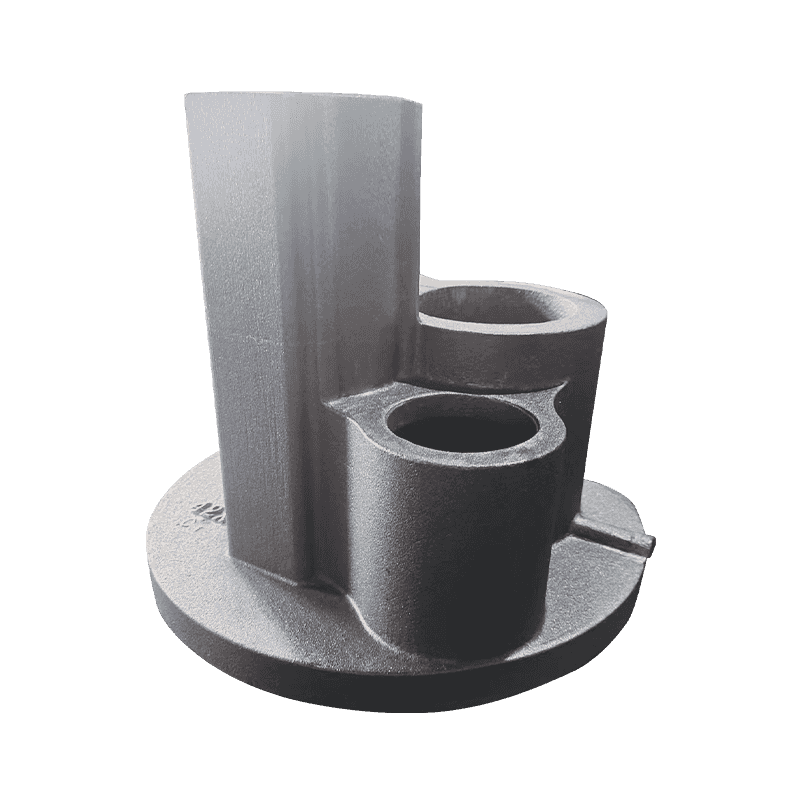
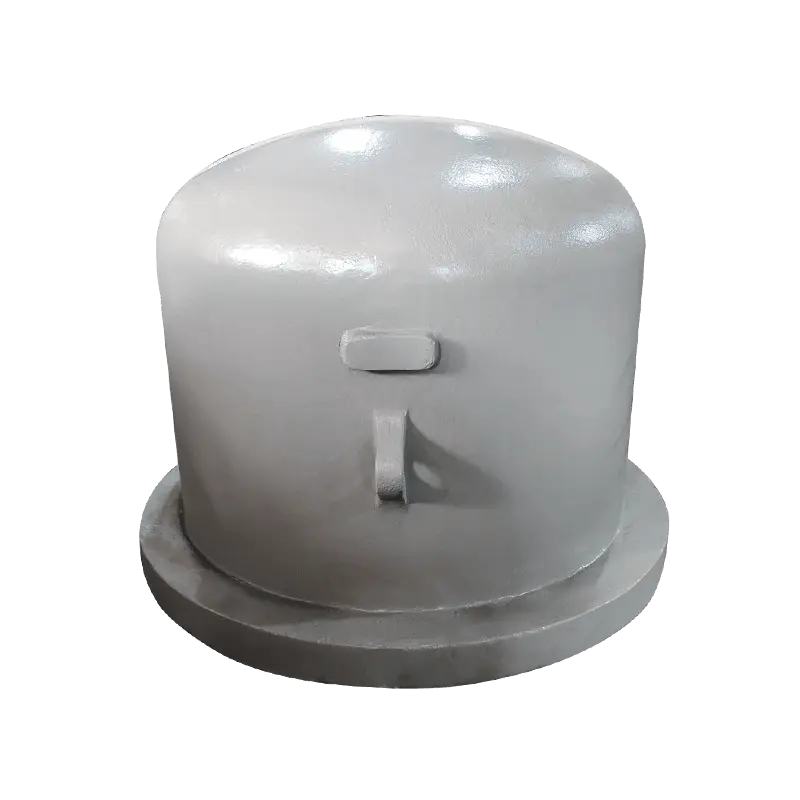
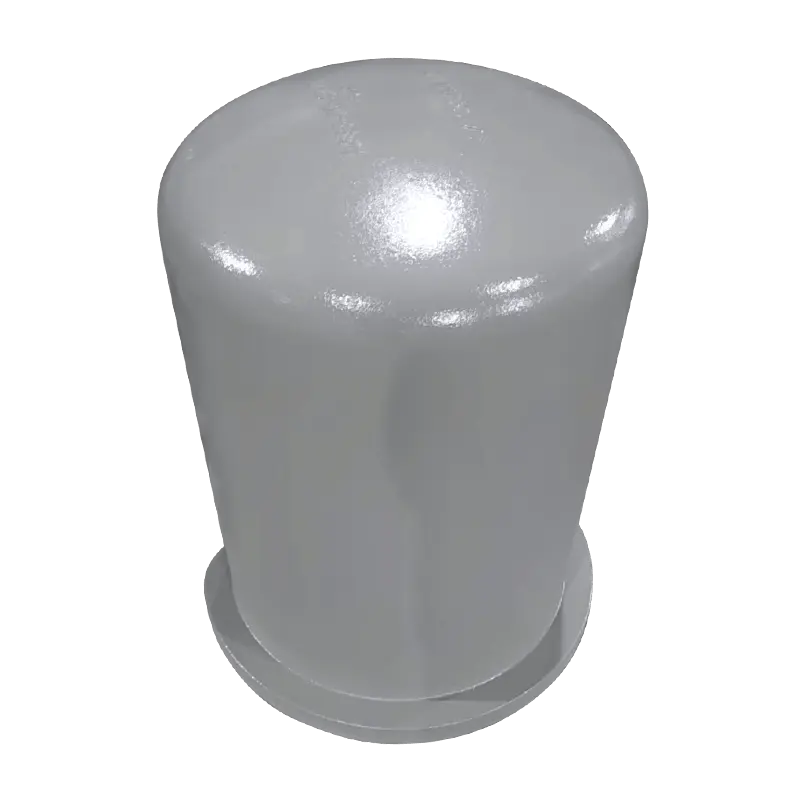
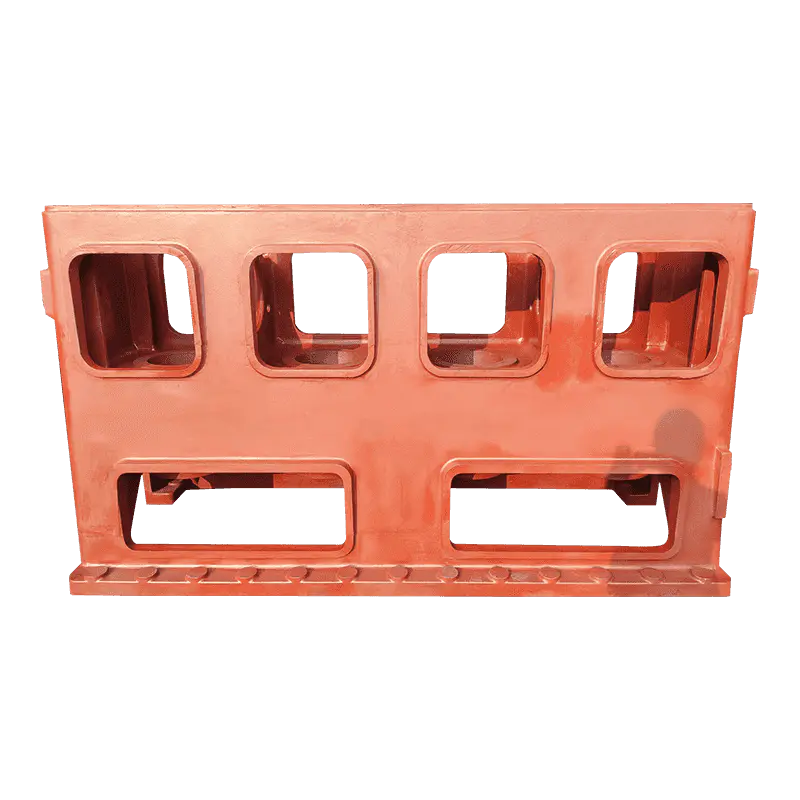
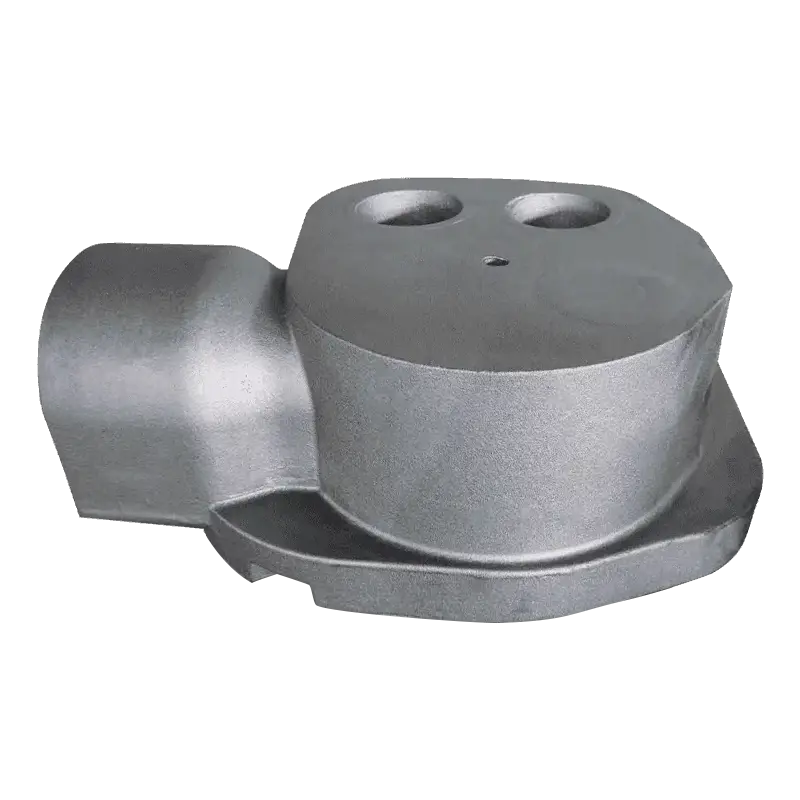
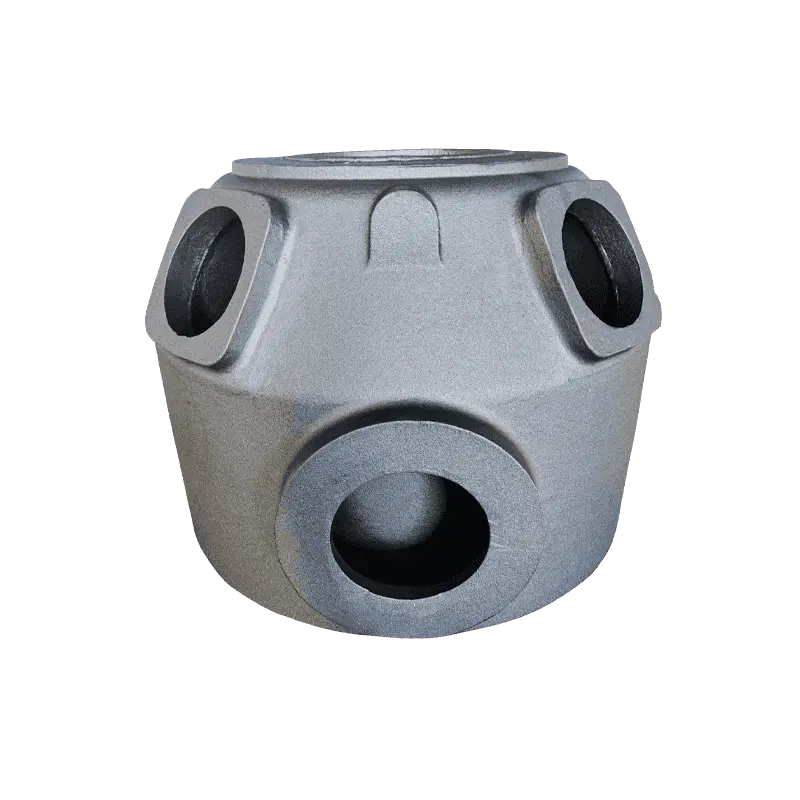
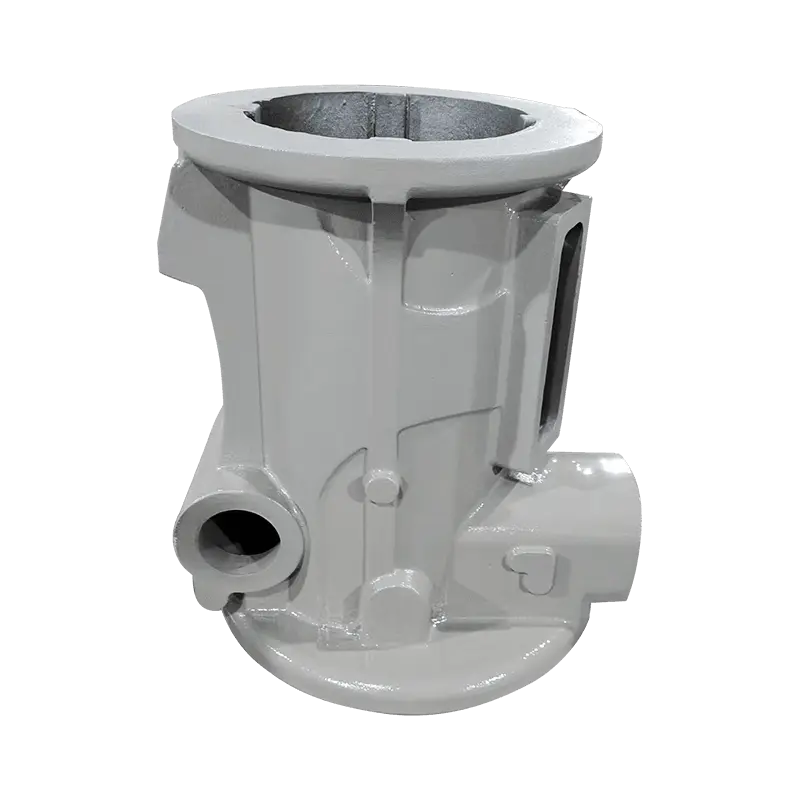
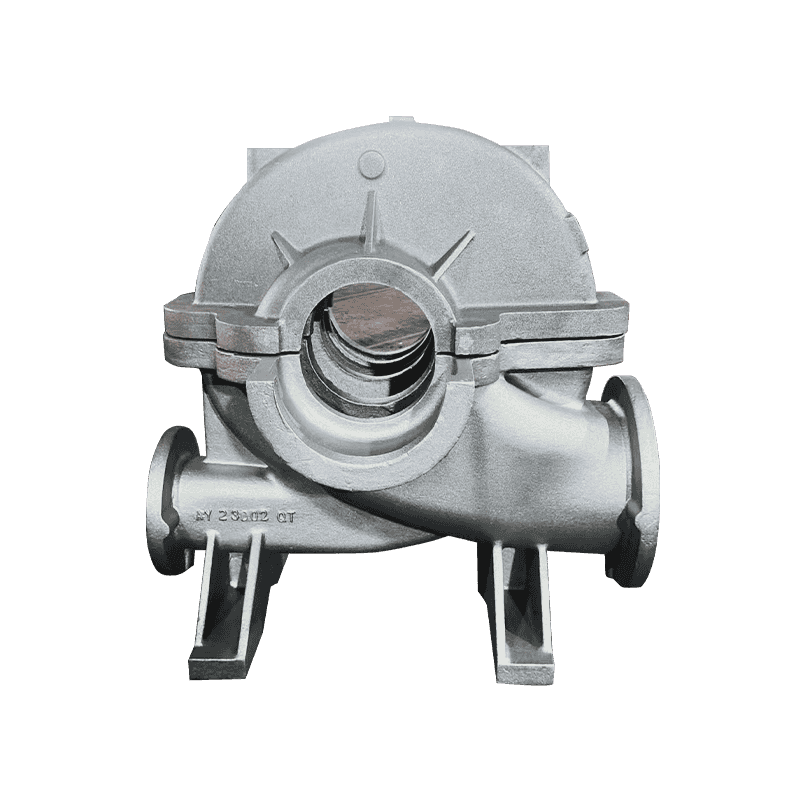
Compressor Castings
- Gray iron: stable thermal diffusion, predictable performance
- Ductile cast iron: stronger structure, slightly reduced conductivity
- Engineered Compressor Castings: adaptive thermal routing via design
Microstructure: The Invisible Architecture of Heat
The essence of heat transfer lies in microstructure. In gray iron castings, flake graphite creates continuous thermal pathways, enabling efficient energy movement. This is why gray iron has remained dominant in thermally stable compressor environments for decades.
Ductile cast iron, often chosen for mechanical resilience, reshapes graphite into nodules. This improves tensile strength but interrupts thermal continuity. Compressor Castings designed with ductile structures therefore trade conductivity for durability.
A material that carries heat well is not always the one that survives mechanical stress best.
Design as a Thermal Multiplier
Modern Compressor Castings shift the conversation from material selection to thermal architecture. Instead of relying solely on conductivity, engineers optimize:
- Wall thickness distribution for heat acceleration zones
- Internal airflow channels for convective enhancement
- Surface texture refinement for radiative efficiency
These refinements can improve effective heat dissipation by 15–30%, even when intrinsic material conductivity remains unchanged.
Comparative Thermal Behavior
The comparison between Compressor Castings and gray iron compressor systems is best understood as a balance between intrinsic conductivity and system-level optimization.
| Material Type | Conductivity Range | Thermal Stability | Engineering Flexibility |
| Gray iron castings | 45–55 W/m·K | High | Moderate |
| Ductile cast iron | 35–45 W/m·K | High | High (mechanically) |
| Engineered Compressor Castings | 40–180 W/m·K | Variable | Very High |
The Industrial Context of Heat Management
In refrigeration systems, where operating temperatures remain relatively controlled, gray iron castings continue to offer reliable thermal stability. Their predictable heat behavior reduces engineering complexity.
In contrast, high-speed compressors demand rapid thermal response and localized heat dissipation. Here, Compressor Castings with optimized geometries and lightweight alloys become more relevant, even if their base conductivity is not superior.
A Refined Conclusion
Compressor Castings do not universally provide better thermal conductivity than gray iron compressor castings. Instead, they introduce a broader engineering advantage: the ability to redesign how heat behaves within a system.
Gray iron remains a benchmark for stable, reliable thermal conduction within cast iron castings. Yet the evolution of Compressor Castings signals a shift—from relying on material properties alone to orchestrating thermal performance through design intelligence.
The future of compressor thermal engineering is not about choosing a better conductor, but about designing a better thermal experience.